30 / 10 / 2026
📰 Safe for whom? Why a “safe space” can’t end at the door
An article by the ABR team in Sigmalive, told here in English
Think of the walk from your favourite bar to your car. In Cyprus, those of us who drive rarely walk home. But we do walk to the car park, down a dark side street, or across an empty parking lot at three in the morning. How long does it take? Two minutes? Five? Now think about how you walk it. Keys already in your hand? Someone on the phone “until I’m in the car”? And once you’re in, do you lock the doors straight away?
For some people, the question sounds strange. For others, it’s every Saturday night. Ask your female friends. Ask any queer or trans person you know. Ask anyone who stands out on the street for their colour, their accent or their body. The details change. The walk stays the same.
We see “safe space” everywhere now: in clubs, at festivals, on posters, at universities. So often that it risks becoming just another sticker on the door. But safe for whom? And how far does it reach?
That’s why, one evening in May, we sat in a circle at S//IP and asked the question out loud.

A refuge with a history
The safe space didn’t start as a hashtag. The idea has its roots in the feminist and queer movements of the 1960s and ’70s. Back then, for women, for gay people and for trans people, a bar, a bookshop or a living room was one of the few places where you could speak freely without paying a heavy price for it.
In the early hours of 28 June 1969, police raided the Stonewall Inn, a gay bar in New York. It wasn’t the first raid. But this time, people didn’t leave quietly. Pride as we know it today begins with that night. In the ballrooms of the same city, mostly Black and Latino queer and trans people built their own “families”, the houses, with their own rules and their own trophies. In 1990 the documentary Paris Is Burning made them known around the world.
From the very beginning, the history of safe spaces runs through the dancefloor. And from the very beginning, the threat has come through the door. Sometimes, though, it’s already inside.
In Cyprus, this history is closer than we think. Homosexuality was decriminalised only in 1998, five years after the European Court of Human Rights ruled against the Republic of Cyprus in Modinos v. Cyprus. The first Pride in Nicosia took place in 2014. And the conversation about a gender identity recognition bill, as we heard in our discussion, has been going on since 2008. For many people on this island, the safe space isn’t a trend. It’s something won only recently, and it still can’t be taken for granted.
At the door of S//IP
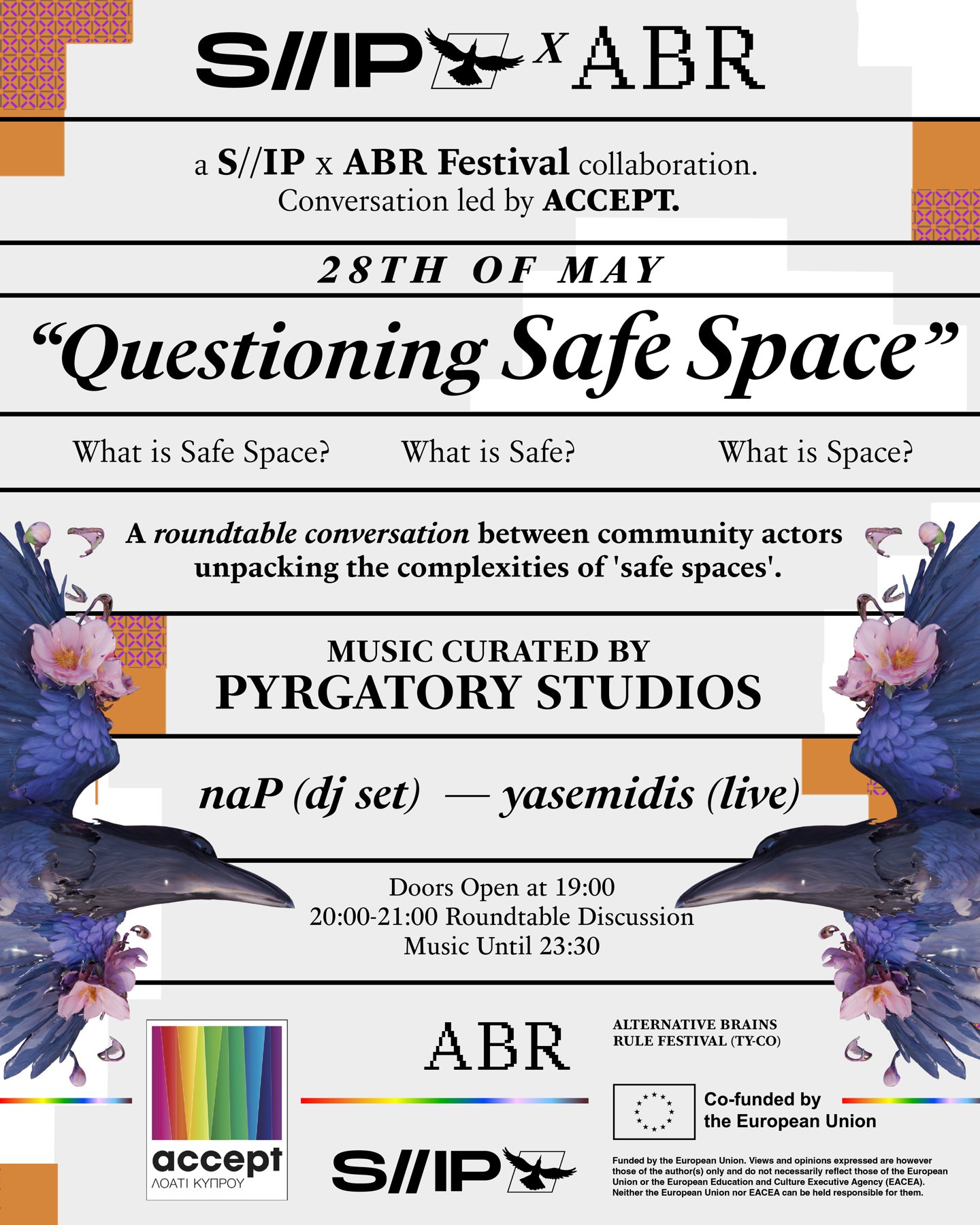
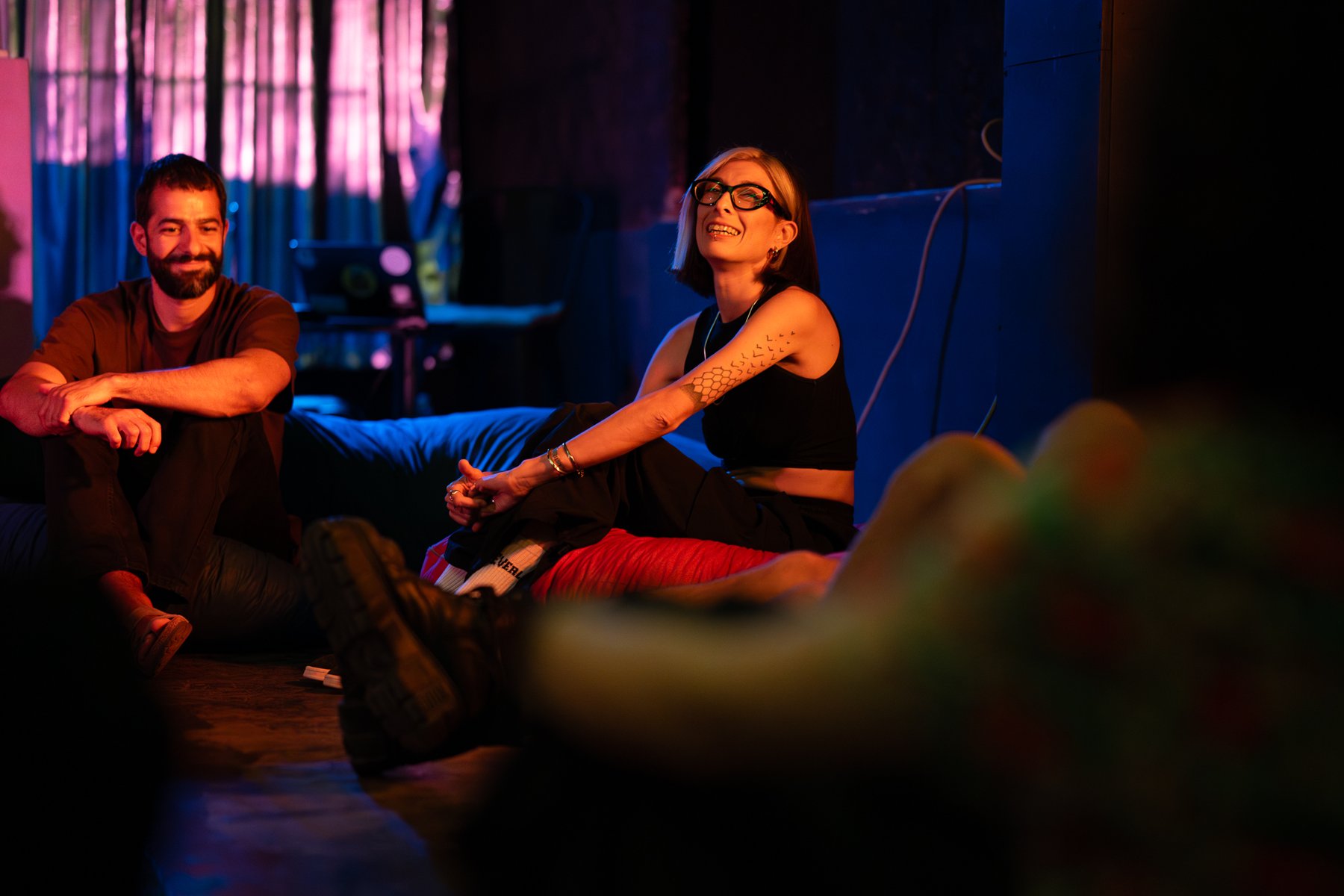
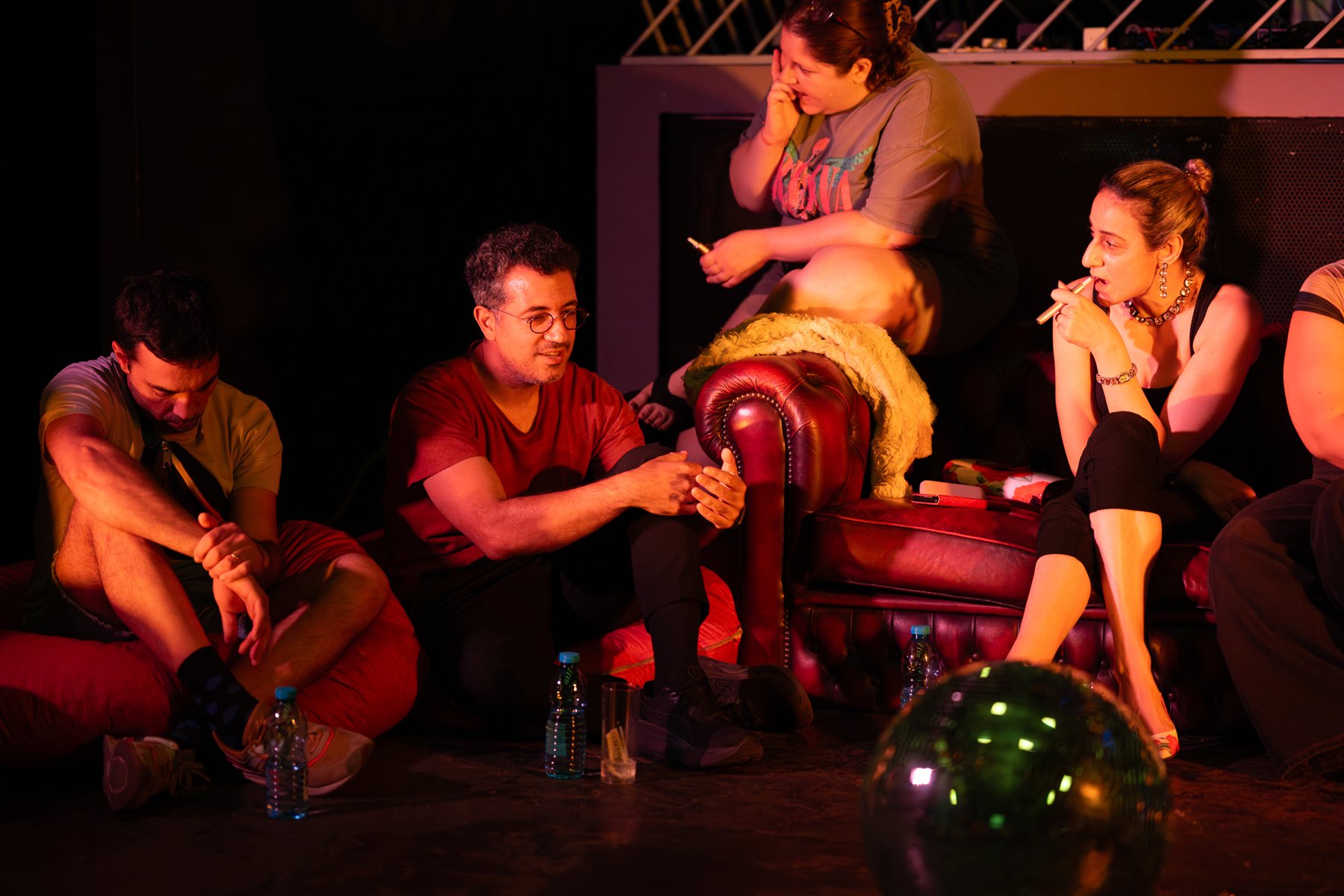
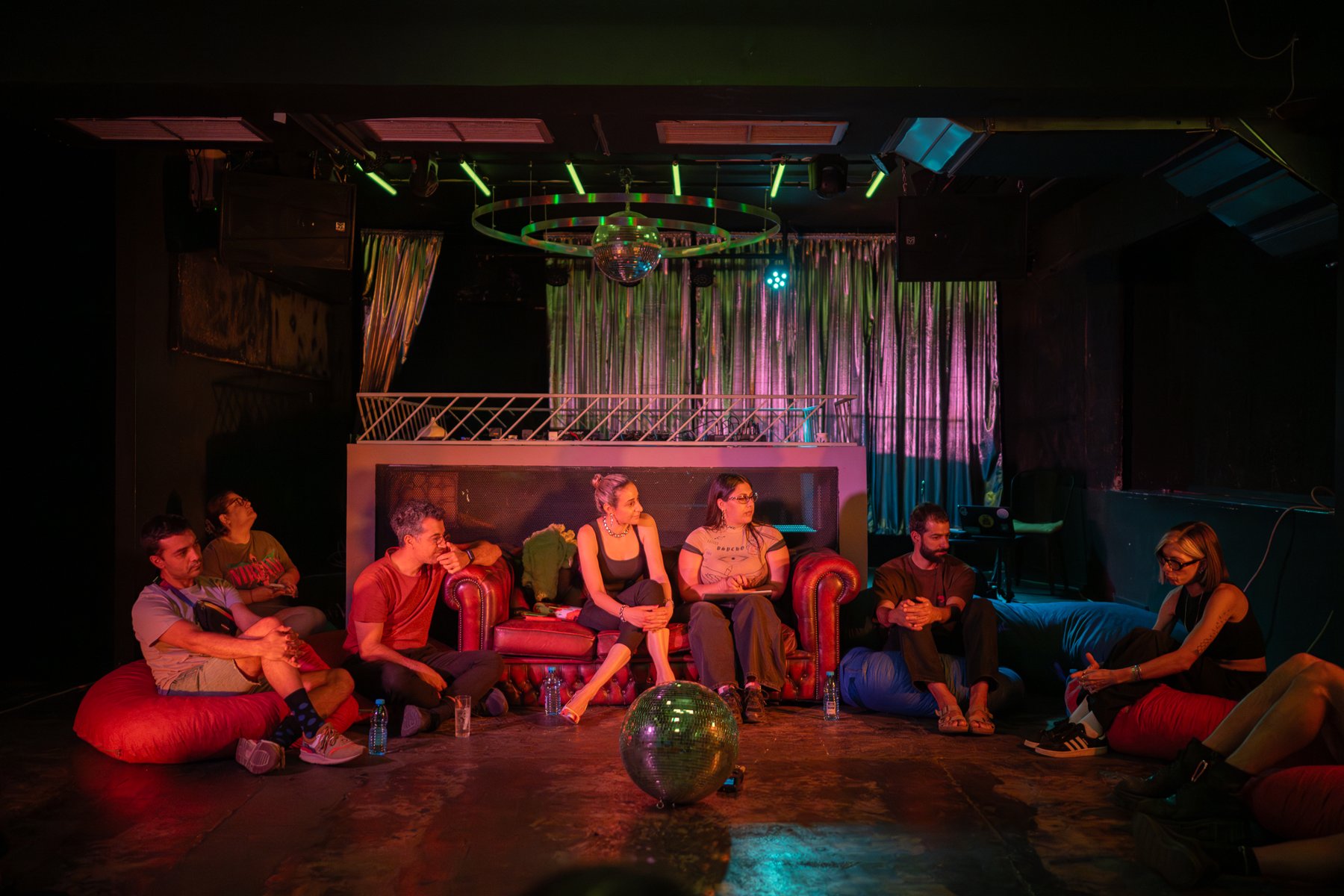
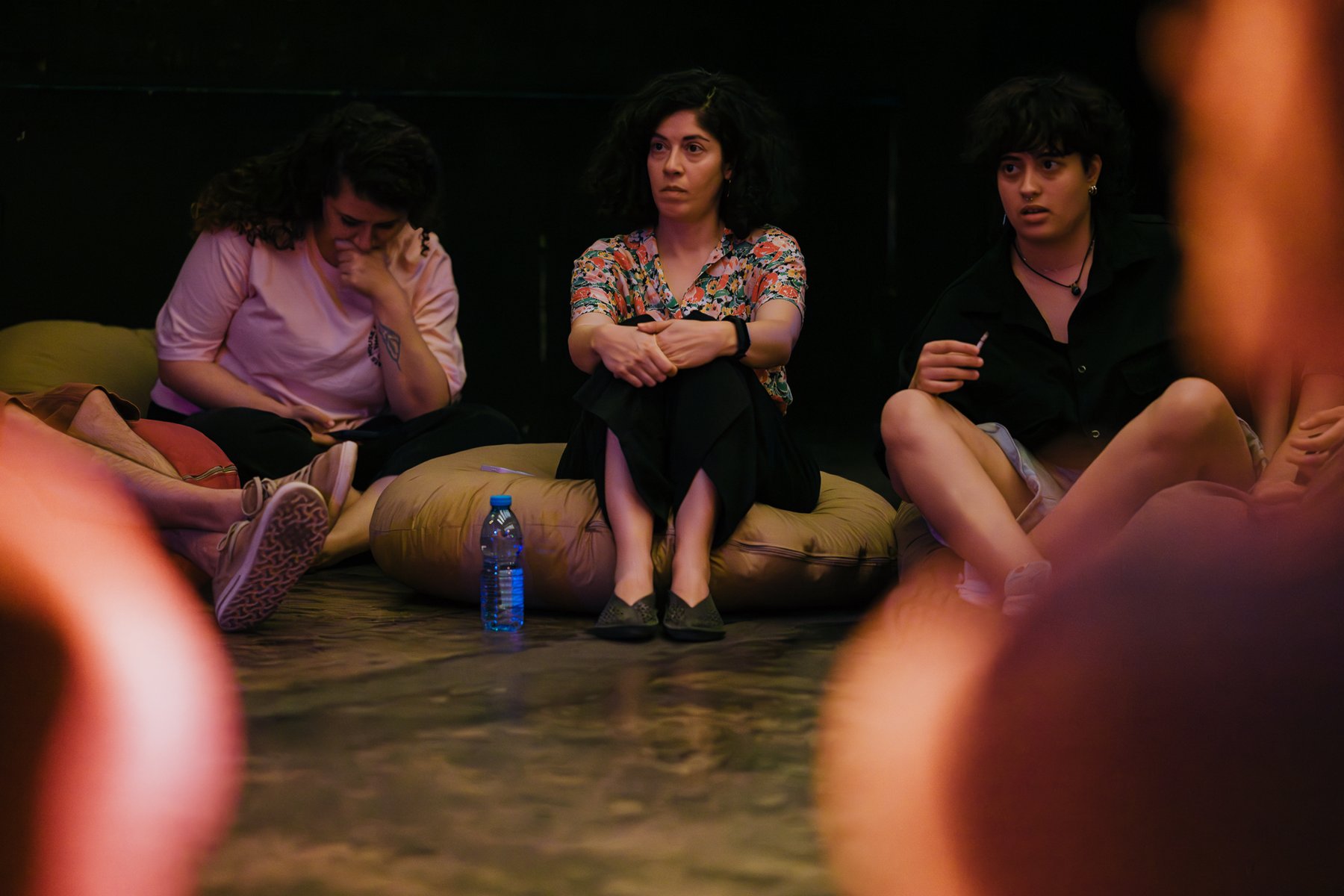
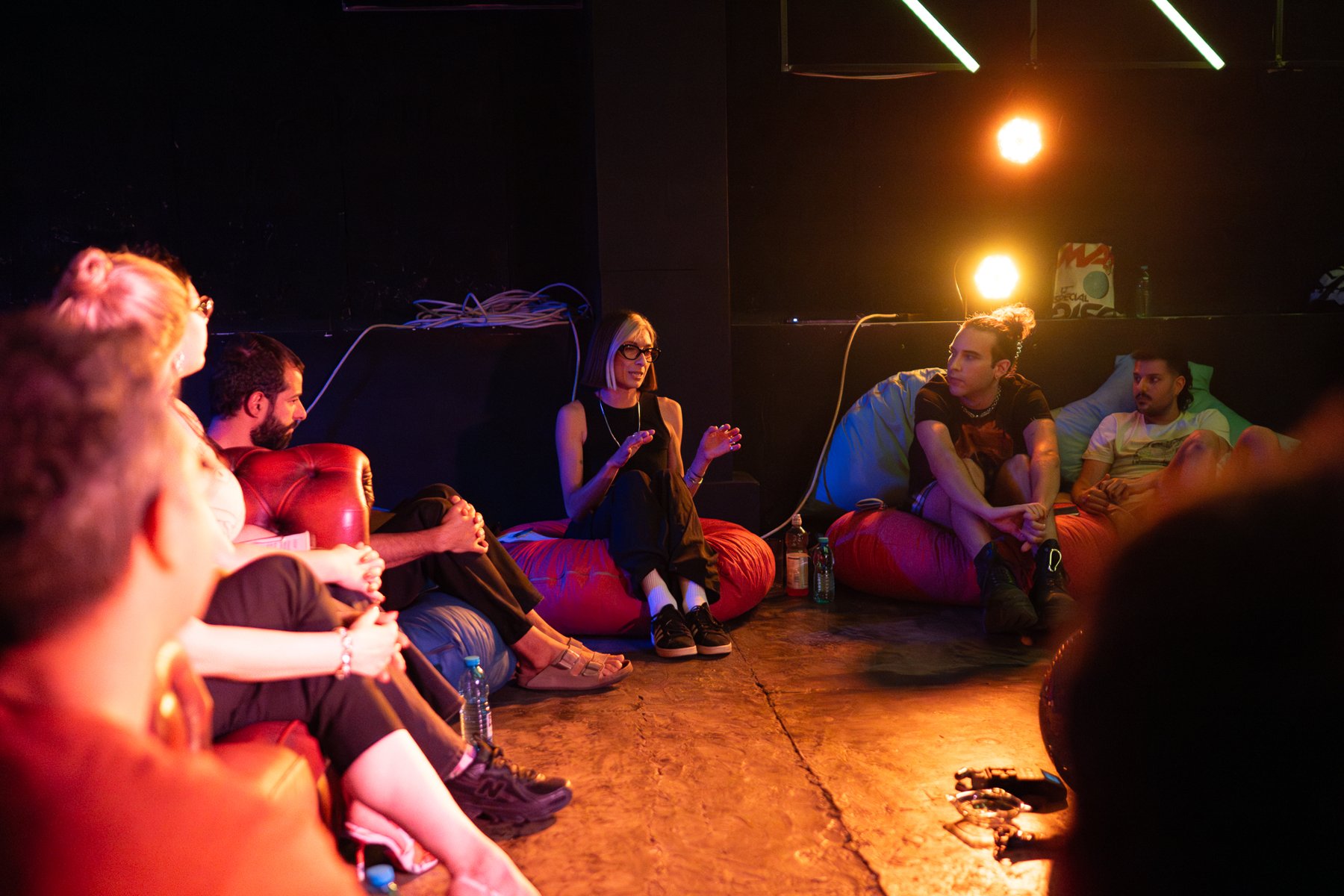
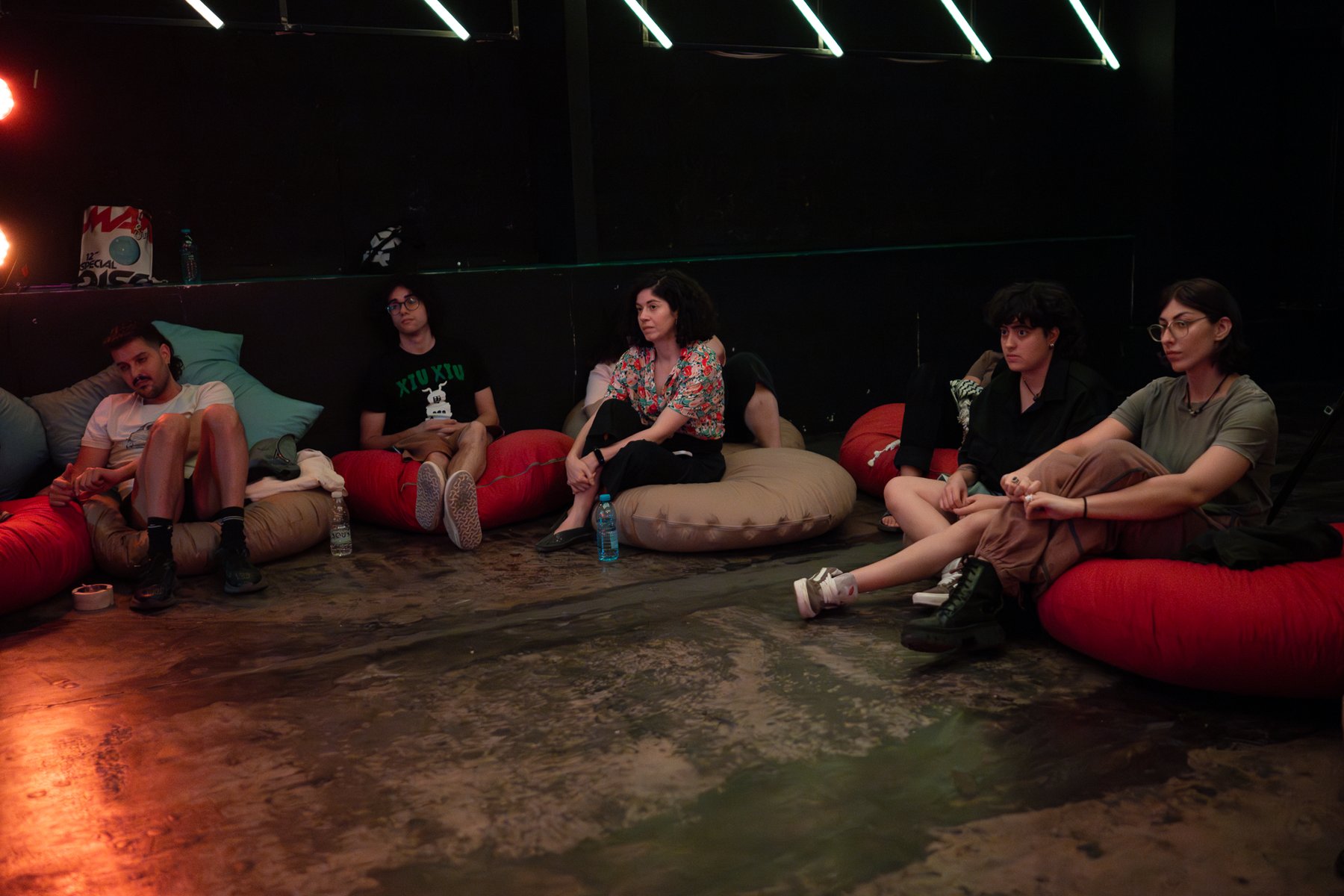
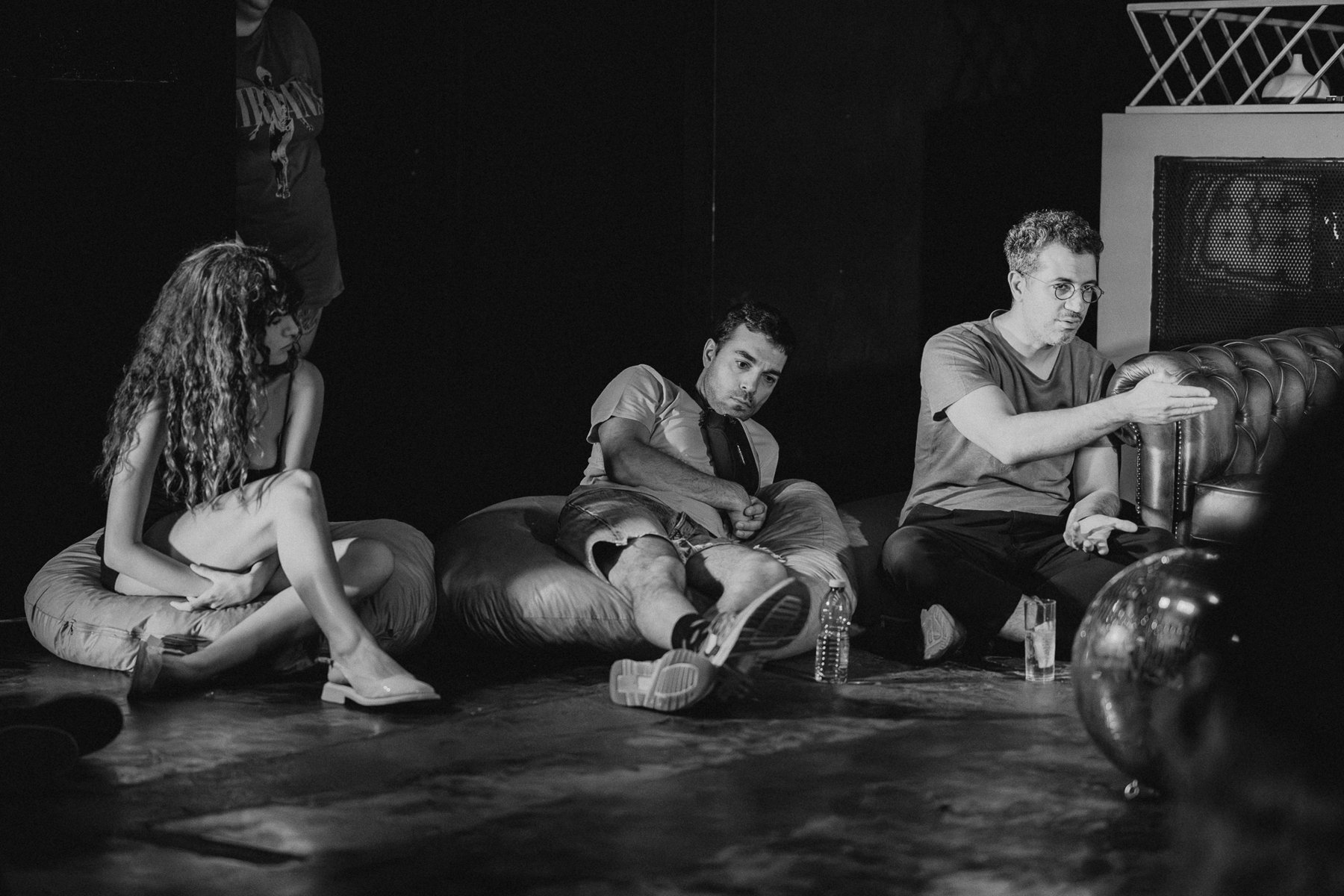
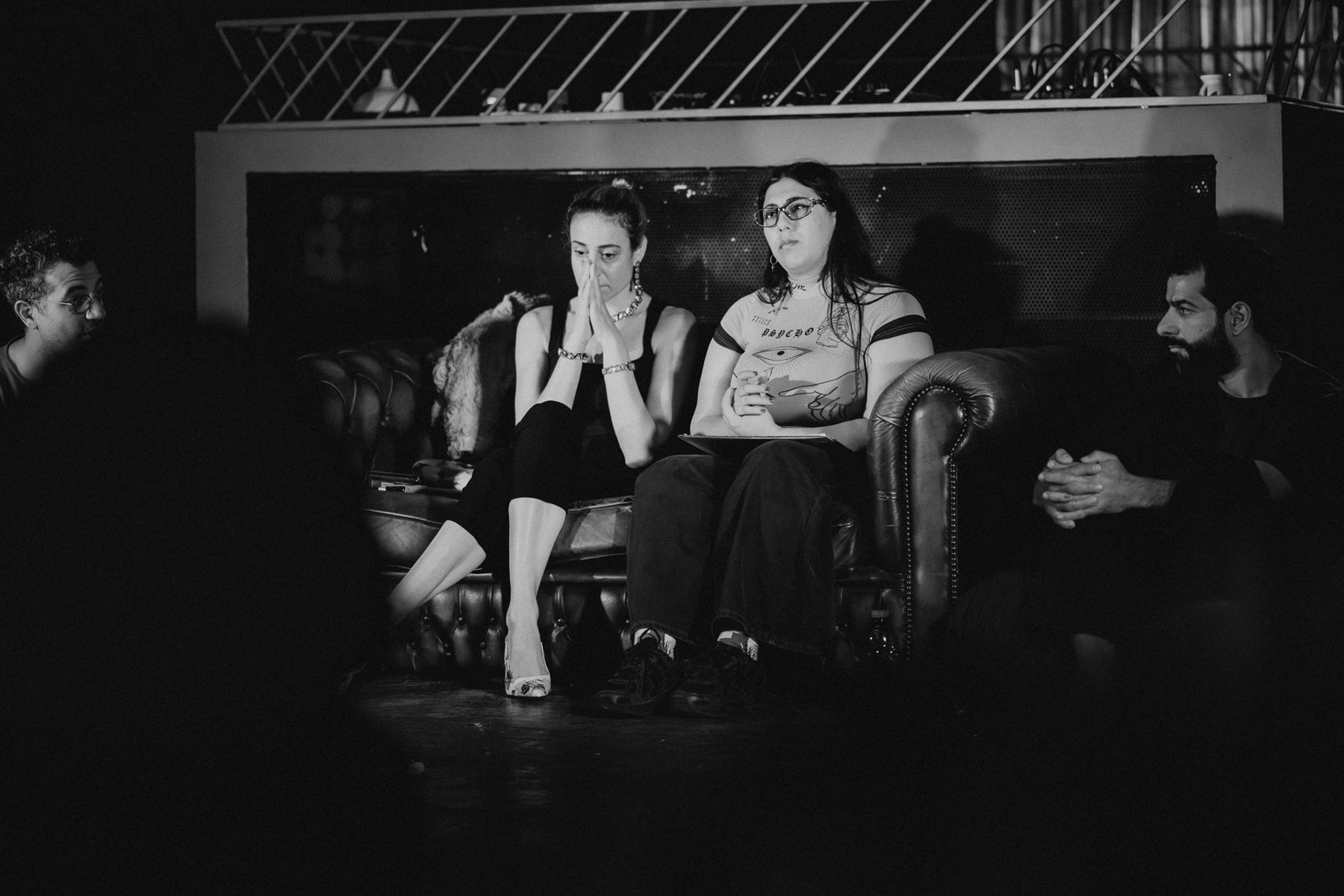
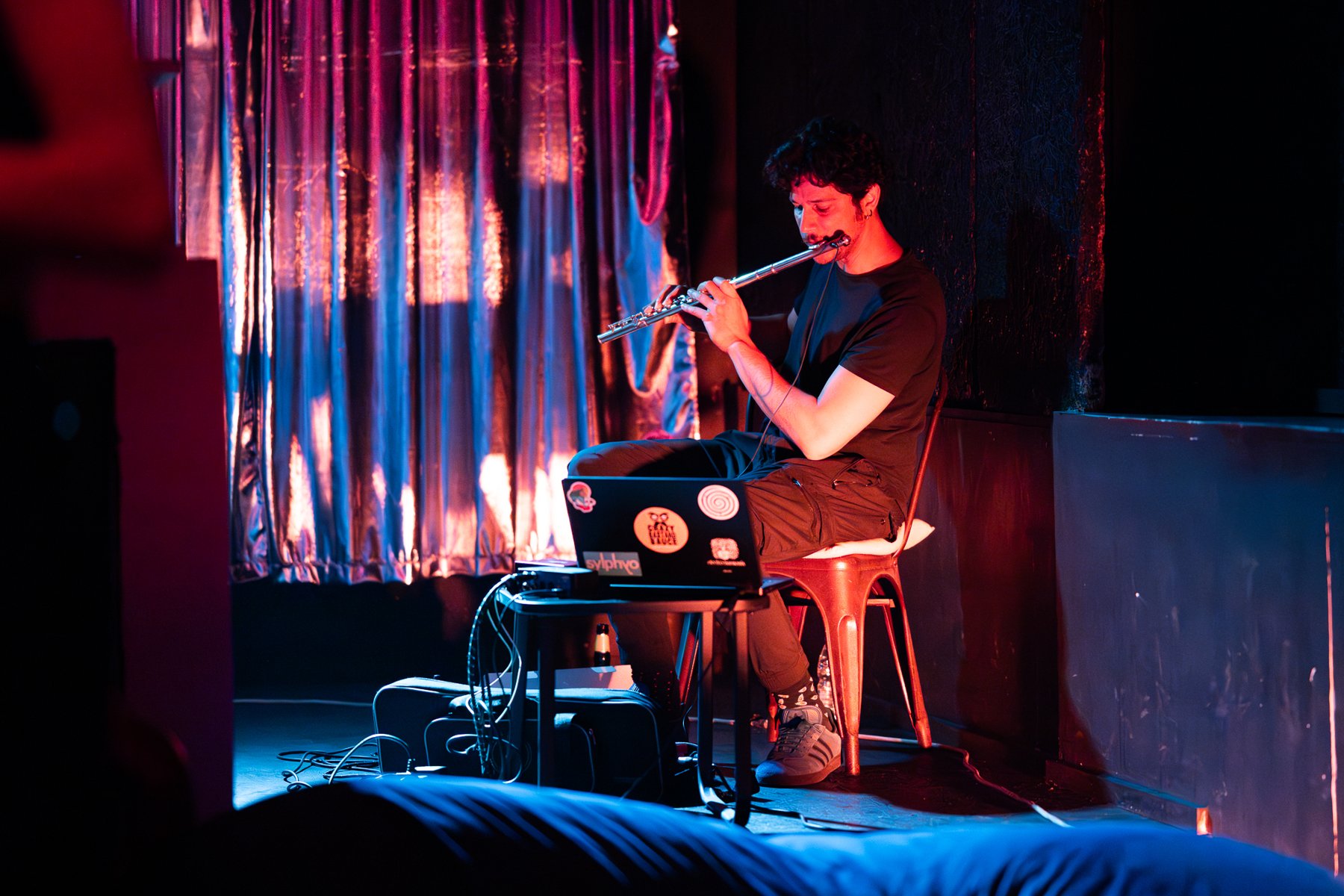
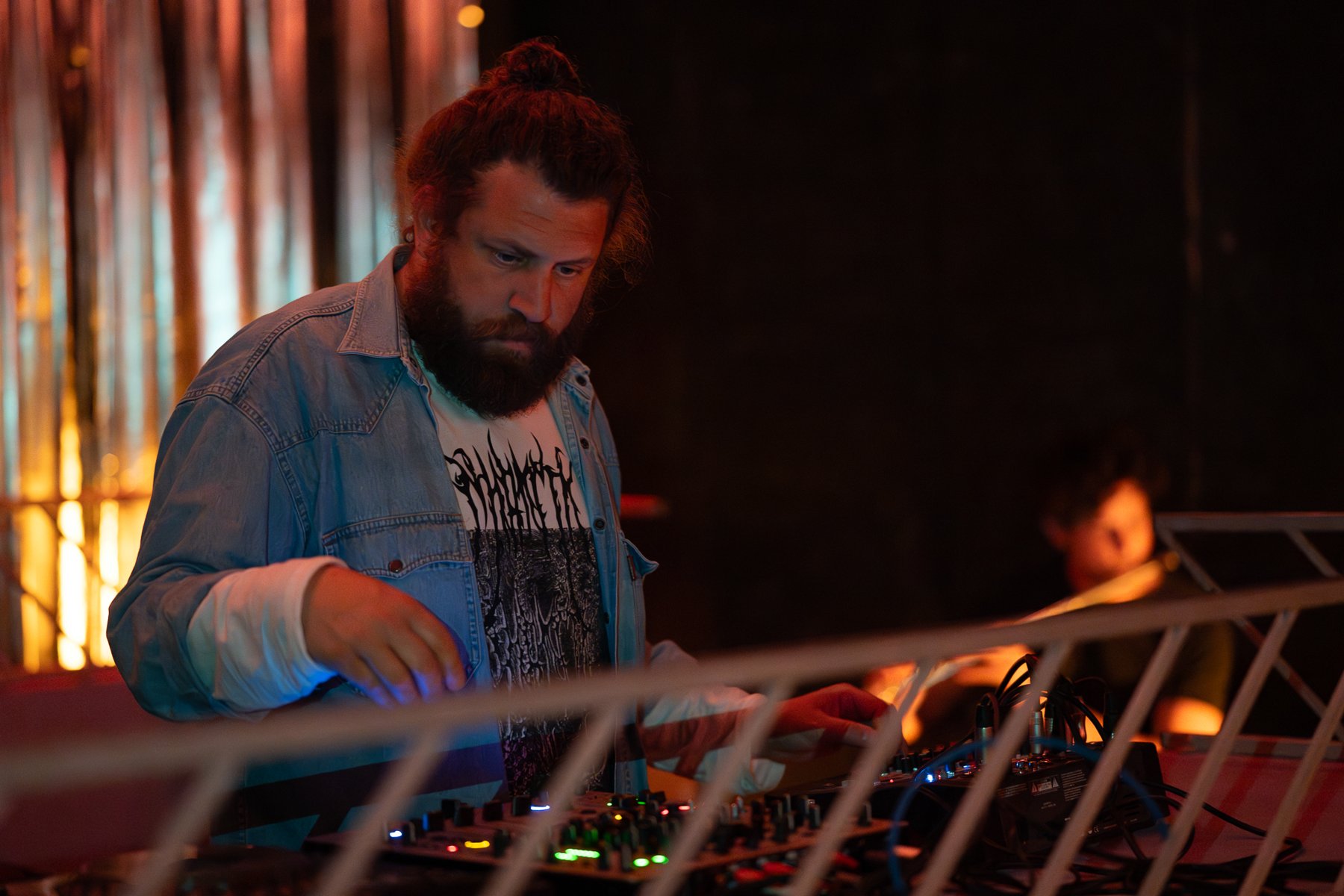
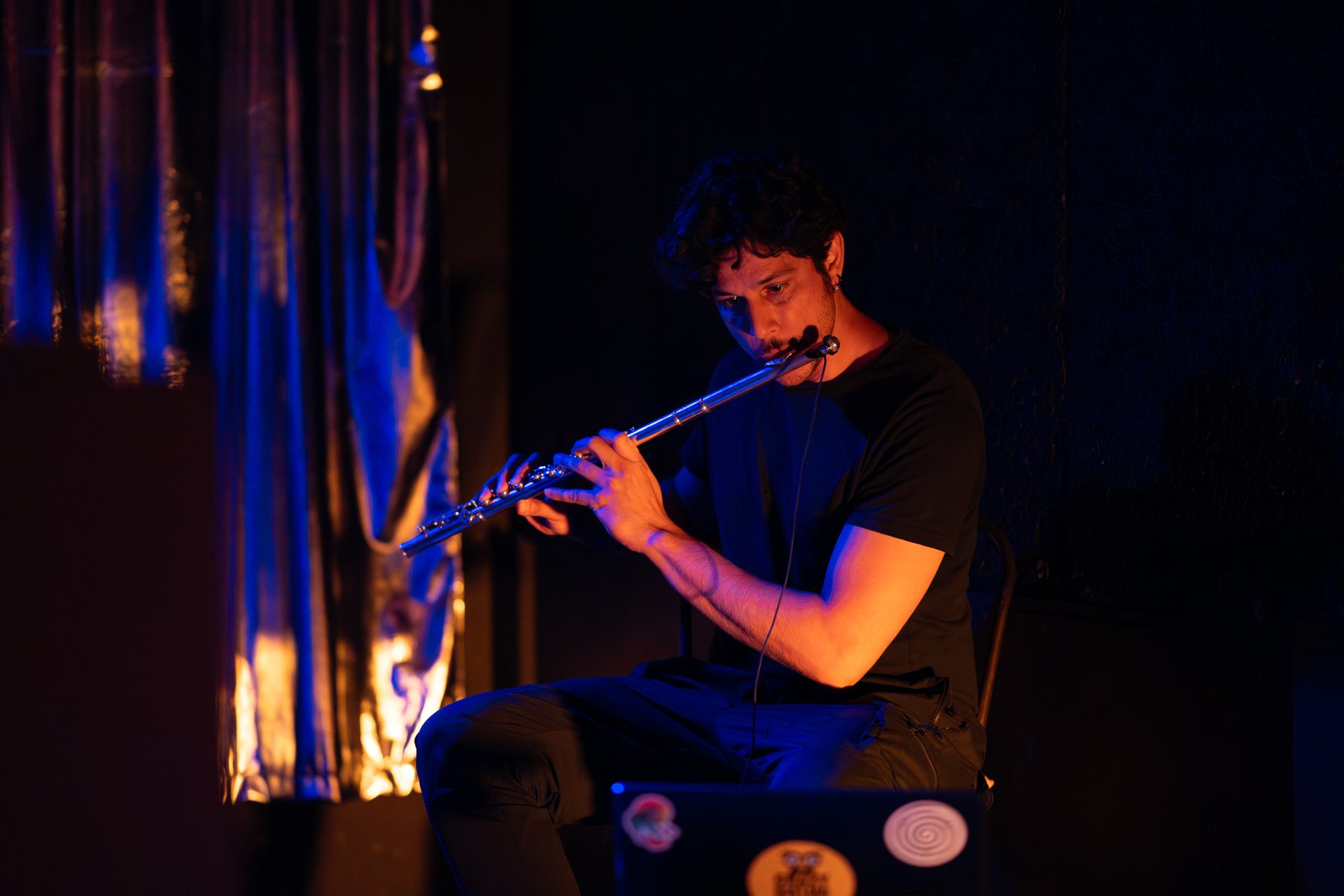
On 28 May 2025, S//IP filled up with sofas, cushions and red light, around a disco ball on the floor. Taking part in the discussion were people from Accept|LGBTI Cyprus, who also moderated, from the S//IP safer spaces team, United by Pride and Music Element, as well as academics. And us, from ABR. The music would come later. First, we’d talk.
At S//IP, the safe space starts before you reach the dancefloor. A big poster with the rules at the entrance. Someone at the door who welcomes you and tells you that racist, sexist and homophobic behaviour has no place here. And inside, someone wearing a badge that reads “vibe control”.
At first, people at the door took it personally: “why, am I going to harass anyone?”. Over time, the conversation became a habit. And then something even better happened: people started coming up to the team themselves, to tell them about something they’d seen or something they’d been through.
After all, a safe space isn’t only rules. It’s also a glass of water for someone who’s had a bit too much, or an “are you ok?” at the right moment. As someone put it in the discussion: “We look after each other in here.”
Three seconds
But not everyone feels “safe” in the same way. A representative of United by Pride put it with stopwatch precision: “As a queer person in Cyprus, I don’t need more than three seconds to know how someone sees me in a space.” Three seconds. That’s how long a glance lasts. If you’ve never had to count them, you’re one of the lucky ones.
And it’s not only the queer community that counts. The same seconds are familiar to the woman sizing up a look at the bar. They’re familiar to anyone who has had a comment about their colour, their accent or their body. The reasons differ. The calculation is the same: a few seconds to decide whether you stay or go.
Then came the most uncomfortable question of the evening, from the academic side: how do we know that, in trying to protect, we don’t end up policing? The answer from the S//IP team was simple. First, you ask. “I, at least, have never stepped in without consent.” Because what looks like a problem from across the room can, up close, just be two friends messing around.
And who does the explaining? The door team can spend as long as a quarter of an hour explaining to someone why they’re being asked to leave, so they don’t go and do the same thing somewhere else. From the other side of the discussion, though, came a limit: “a safe space means that you shouldn’t have to explain yourself”. The space explains its rules. People don’t owe anyone an explanation for existing.
The new closet
This is where the conversation heated up. From the academic side came the most provocative idea of the evening: “The practices that keep us all safe, I understand them and I support them. My problem is with the notion of a safe space, as a notion.”
The problem? If we create three, four, five “safe” clubs, bars and cafés, then “all of you who came out of your closet will go into a new closet”.
Another voice put it even more bluntly: “I don’t think there are any safe spaces in Cyprus.” That’s why many people now say safer. An “r” at the end of the word, admitting that the work is never done.
Slowly, slowly? No!
So how do things change? On this, the discussion split in two. Some argued that culture is built slowly, inside the spaces: from clubs to events, and from there into society, because “it can’t change from one day to the next”. Others answered that “the state and the institutions have a responsibility”, and that since 2008 we’ve waited long enough.
And when, a little later, someone went back to that “slowly, slowly”, the answer was one word: “No!”
The impatience has its reasons. A representative of Accept pointed out that Pride had become part of the culture, and yet that year, for the first time in a long time, the pressure was back. We didn’t agree on everything, and we didn’t need to. The closest thing to common ground came in Cypriot dialect, from United by Pride: «εν πολλαπλά τα μέτωπα», “there are many fronts”. Laws, spaces, groups, culture. All of them together, not one at a time.
Five minutes
Remember the walk to the car? For some people, there’s no car waiting. Later in the conversation, a trans person from the S//IP safer spaces team said something very simple:
“As a trans person I feel that I need, let’s say, a friend to leave the club tonight. It’s happened many times at the club that I didn’t have anyone to go back with, and living in old Nicosia, that five-minute walk would be a nightmare, literally.”
Five minutes. As long as a song. That’s the distance between a space that tries to be safe and a street that doesn’t try at all. Anyone who has ever texted “home” to the group chat at three in the morning knows it well. A safe space that ends at the door isn’t enough.
The discussion also turned up some ideas. Ideas, not decisions. The first: a “vibe control” at other events too, not just at S//IP. The second: more class awareness, for example free tickets for people who can’t afford to pay, because, as someone said, “inclusion is mostly defined by a person’s class”. And the third: learning from the groups already doing this work, instead of reinventing the wheel.
A SAFE SPACE THAT ENDS AT THE DOOR ISN’T ENOUGH
The dancefloor is only the beginning
From Stonewall to S//IP, dancefloors have always been more than dancefloors. They’ve been rehearsals for a world where you can exist without looking over your shoulder. And that world isn’t about one community alone. It’s about anyone who has ever walked a little faster in the dark. The work now is to take that rehearsal out onto the street.
Safety shouldn’t be the job of the people at risk. A street becomes safe when the harassment stops, not when we all learn to walk faster. Until then, let’s look out for each other. When you leave the club, ask who’s heading which way. Wait until your friend is in the car, or home. Ask “are you ok?” and wait for the answer. If you see someone being harassed, don’t look away. And if you run events, steal the vibe control idea.
Watch the film Questioning Safe Space and tell us: what would make your own way home after a night out feel safer? Write to us on Instagram at @alternativebrainsrule, or at projects@abr.cy.
A safe space isn’t a place. It’s something we do, for each other. And it doesn’t stop at the door.
The ABR team
Watch the film: Questioning Safe Space
Read the original article in Greek on Sigmalive →
Original article: The ABR team, «Γιατί ένας «ασφαλής χώρος» δεν μπορεί να τελειώνει στην πόρτα», Sigmalive, 30 October 2026.
Watch the film: Questioning Safe Space
Instagram: @alternativebrainsrule
Newsletter: subscribe on Substack
Photos: Michael Demetriades
TY-CO (communities in conversation) · ABR|Alternative Brains Rule · Co-funded by the European Union
Funded by the European Union. Views and opinions expressed are however, those of the author(s) only and do not necessarily reflect those of the European Union or the European Education and Culture Executive Agency (EACEA). Neither the European Union nor EACEA can be held responsible for them.