04 / 06 / 2025
Questioning Safe Space
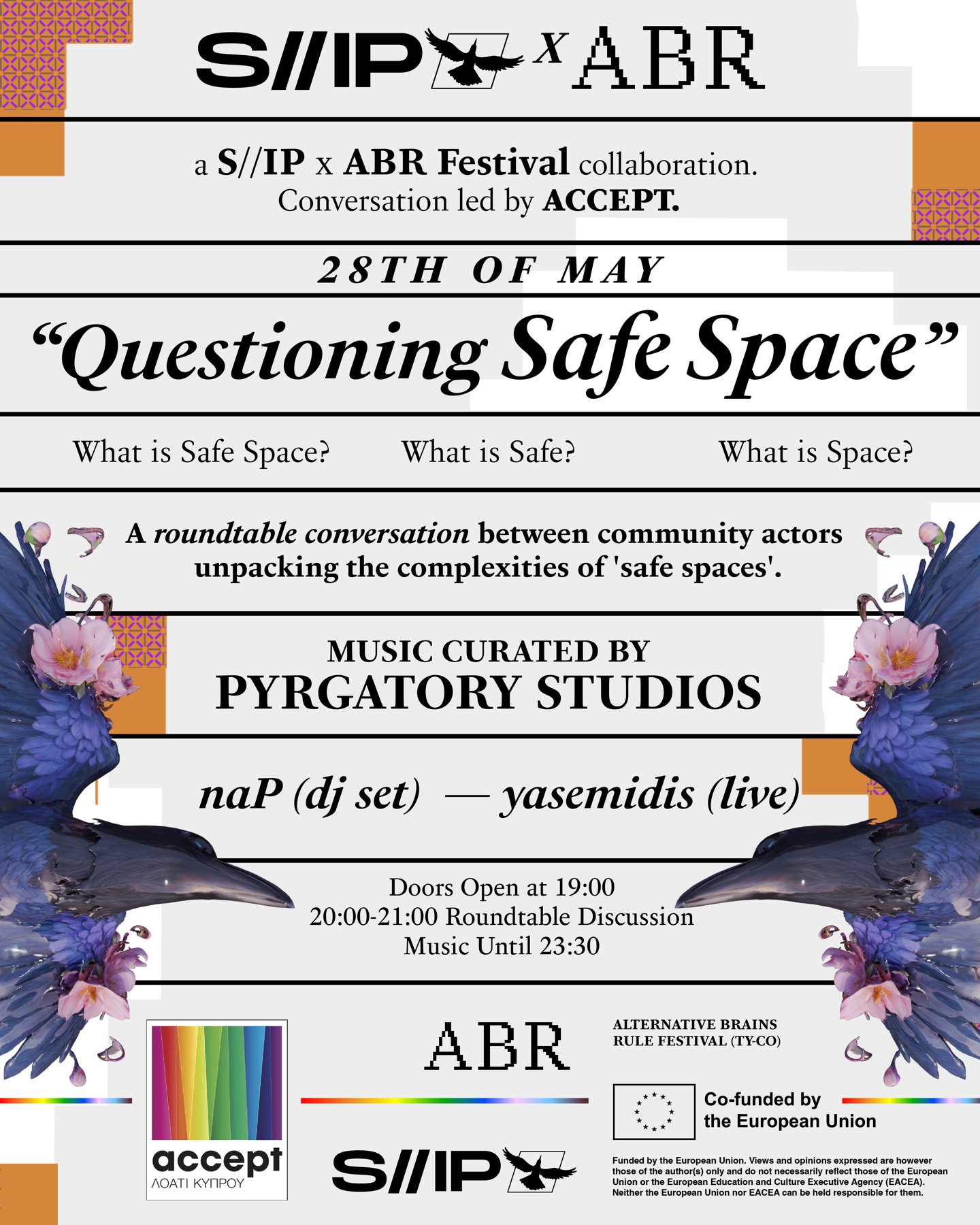
What is safe? What is space? A roundtable at S//IP, in collaboration with ABR, led by ACCEPT LGBTQ
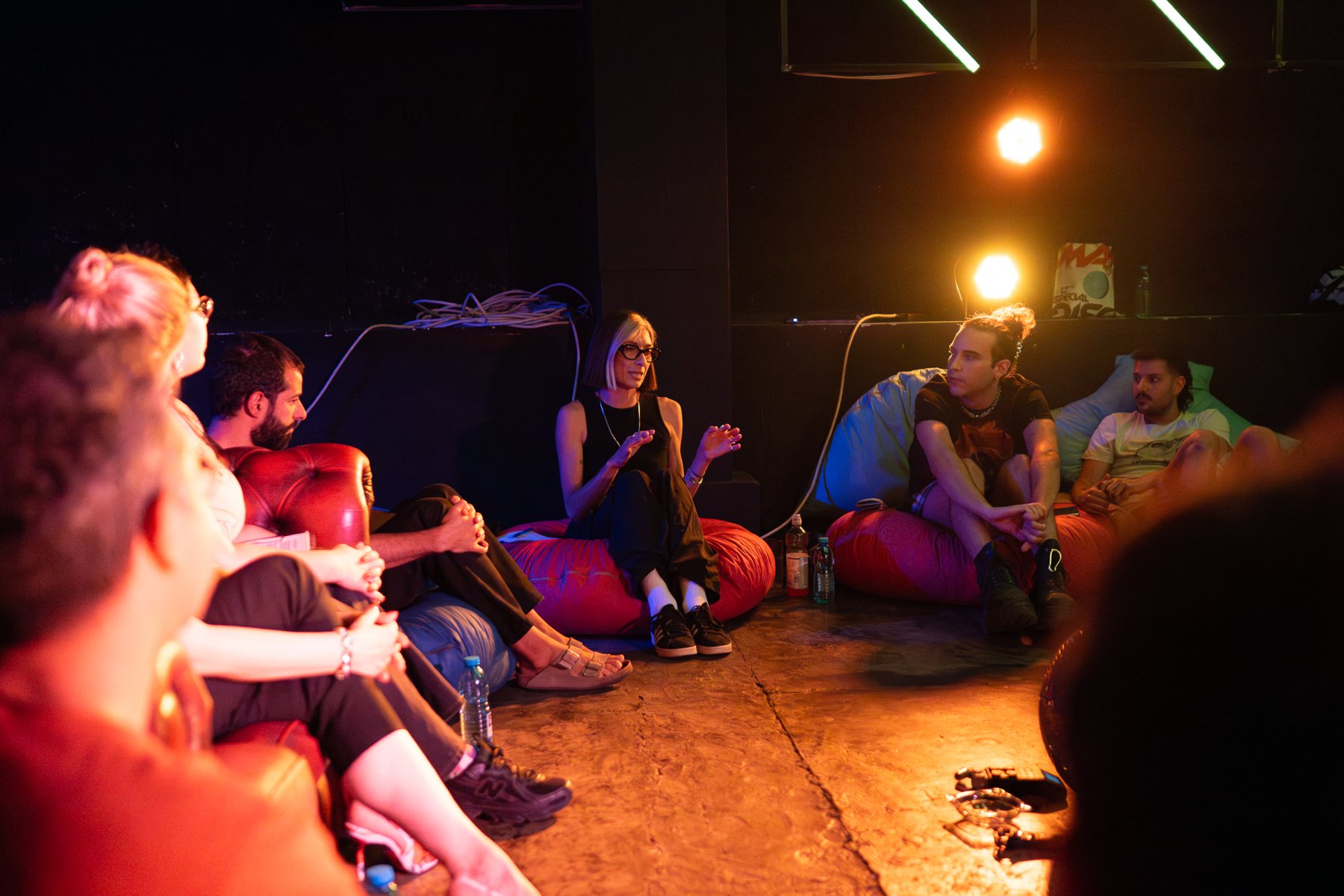
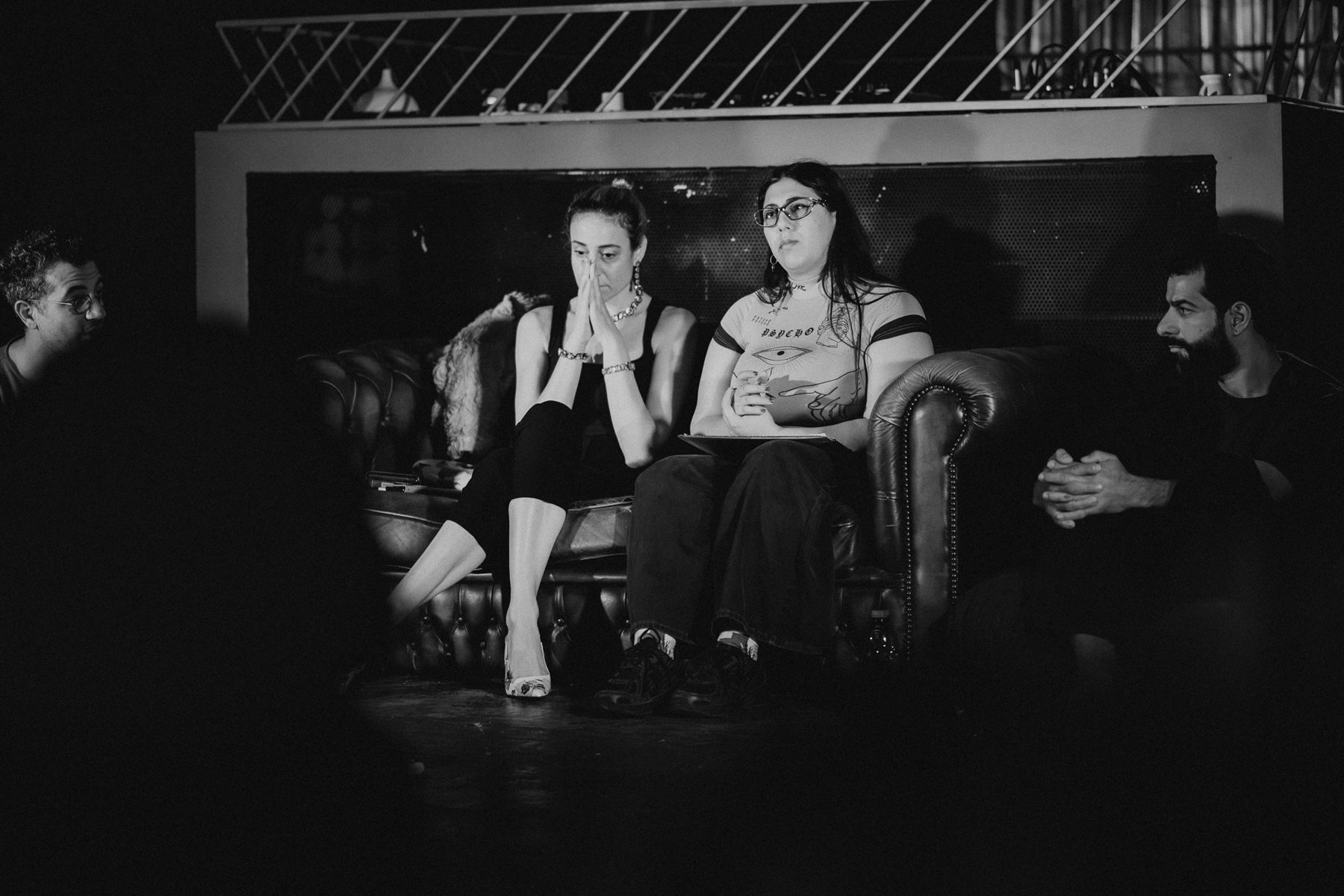
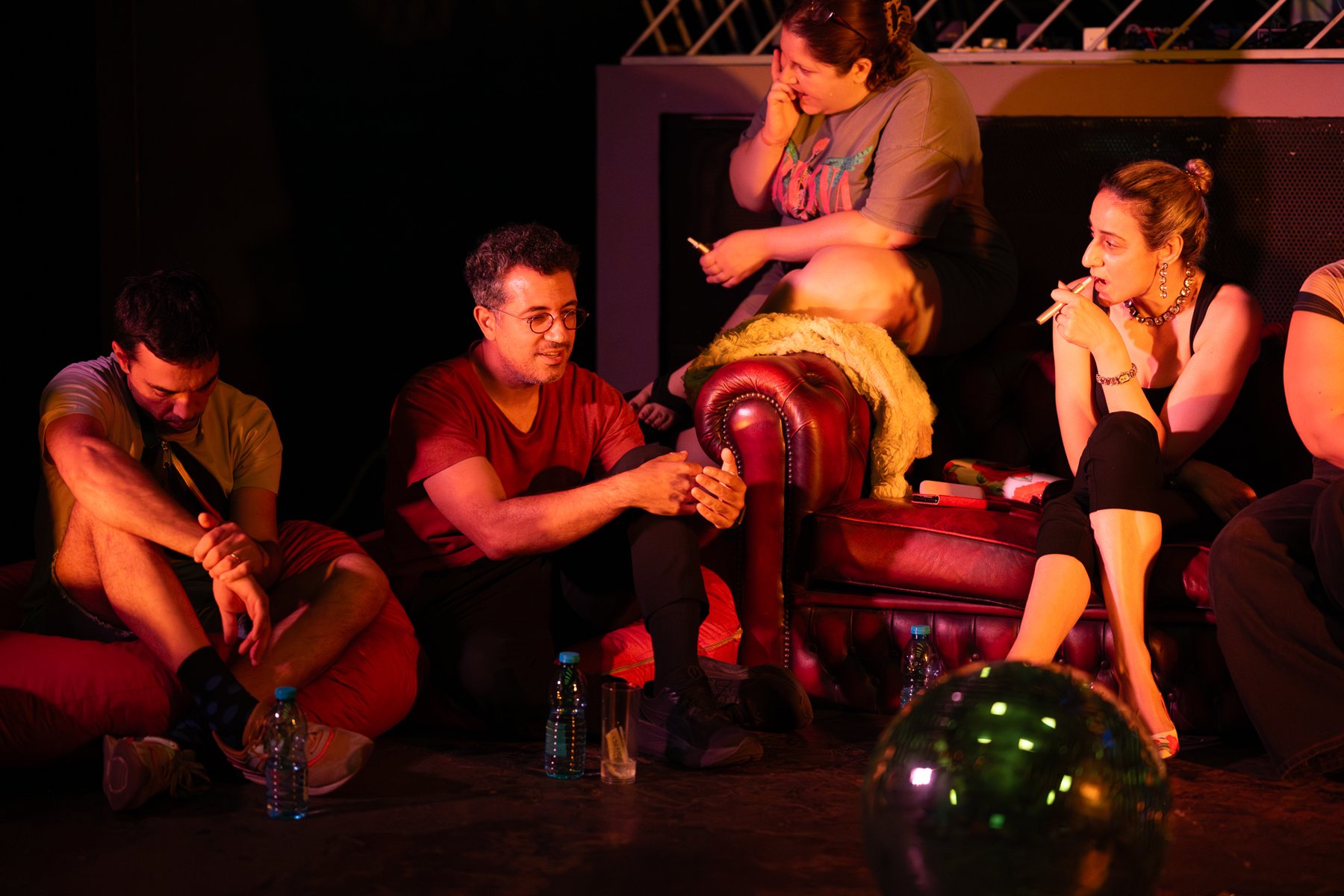
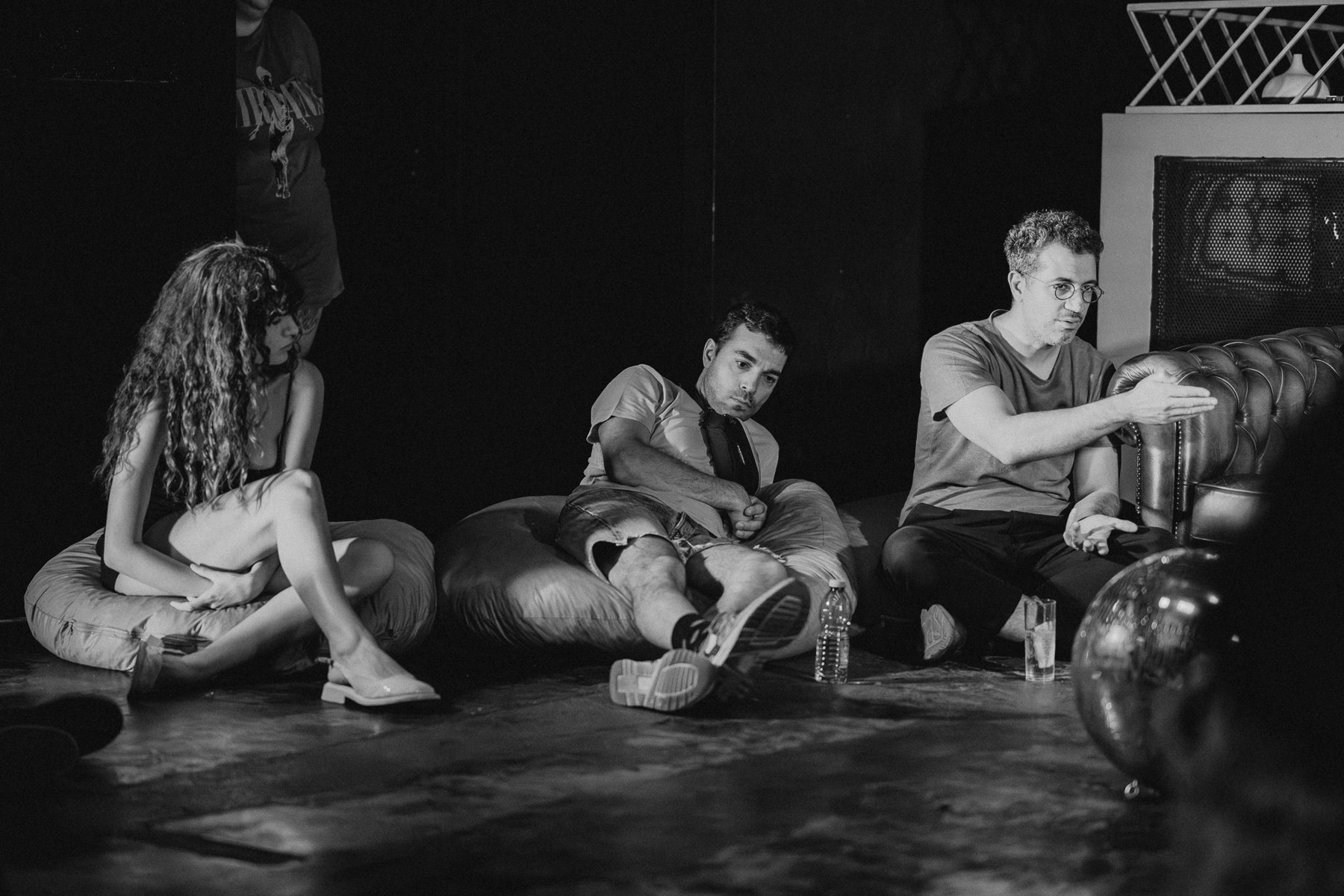
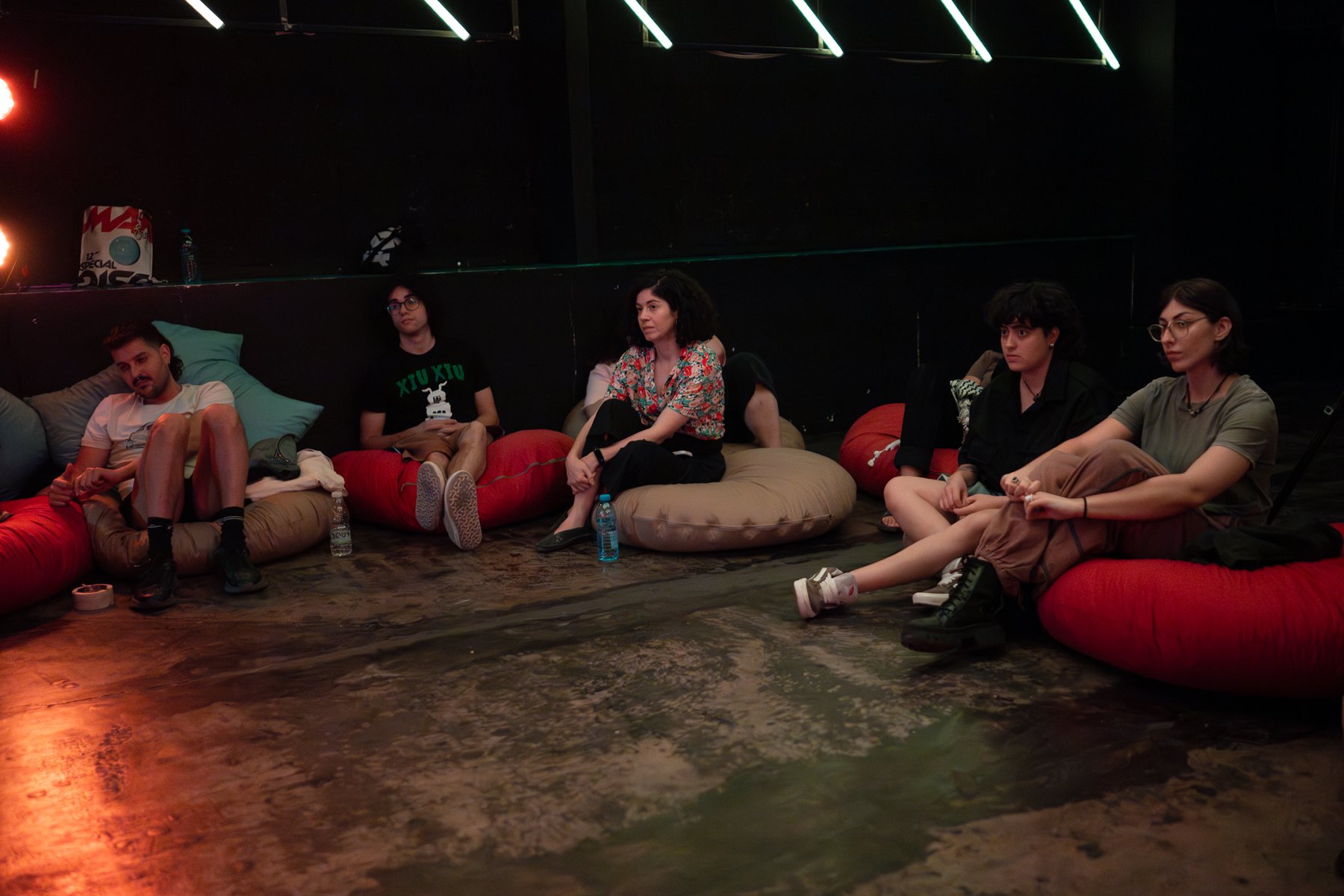
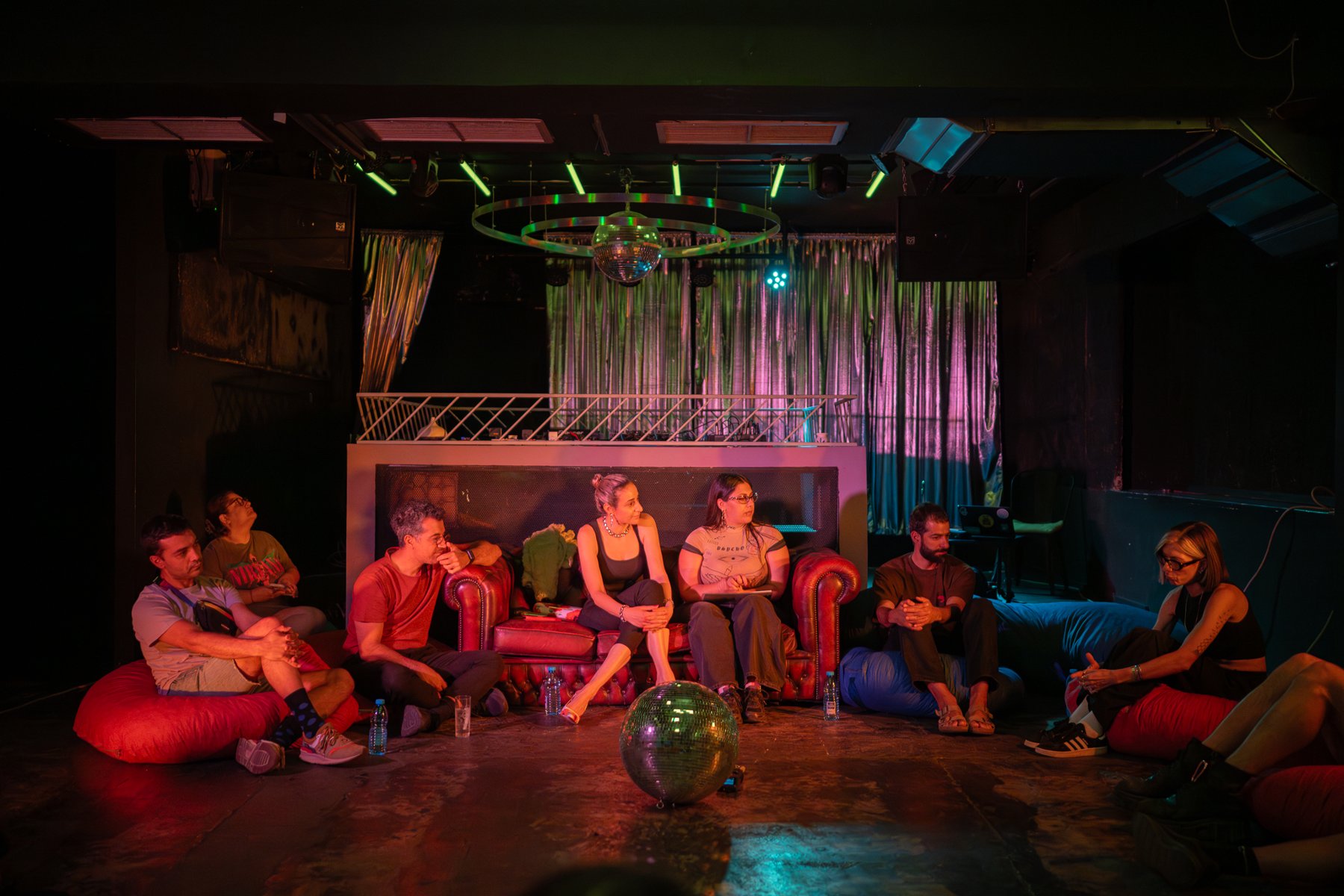
On 28 May 2025, S//IP and ABR hosted a roundtable unpacking the complexities of ‘safe spaces’, with the conversation led by ACCEPT. Community actors, promoters, door staff and regulars sat down to ask what safety means on a dance floor in Cyprus, who it is for, and who gets left out.
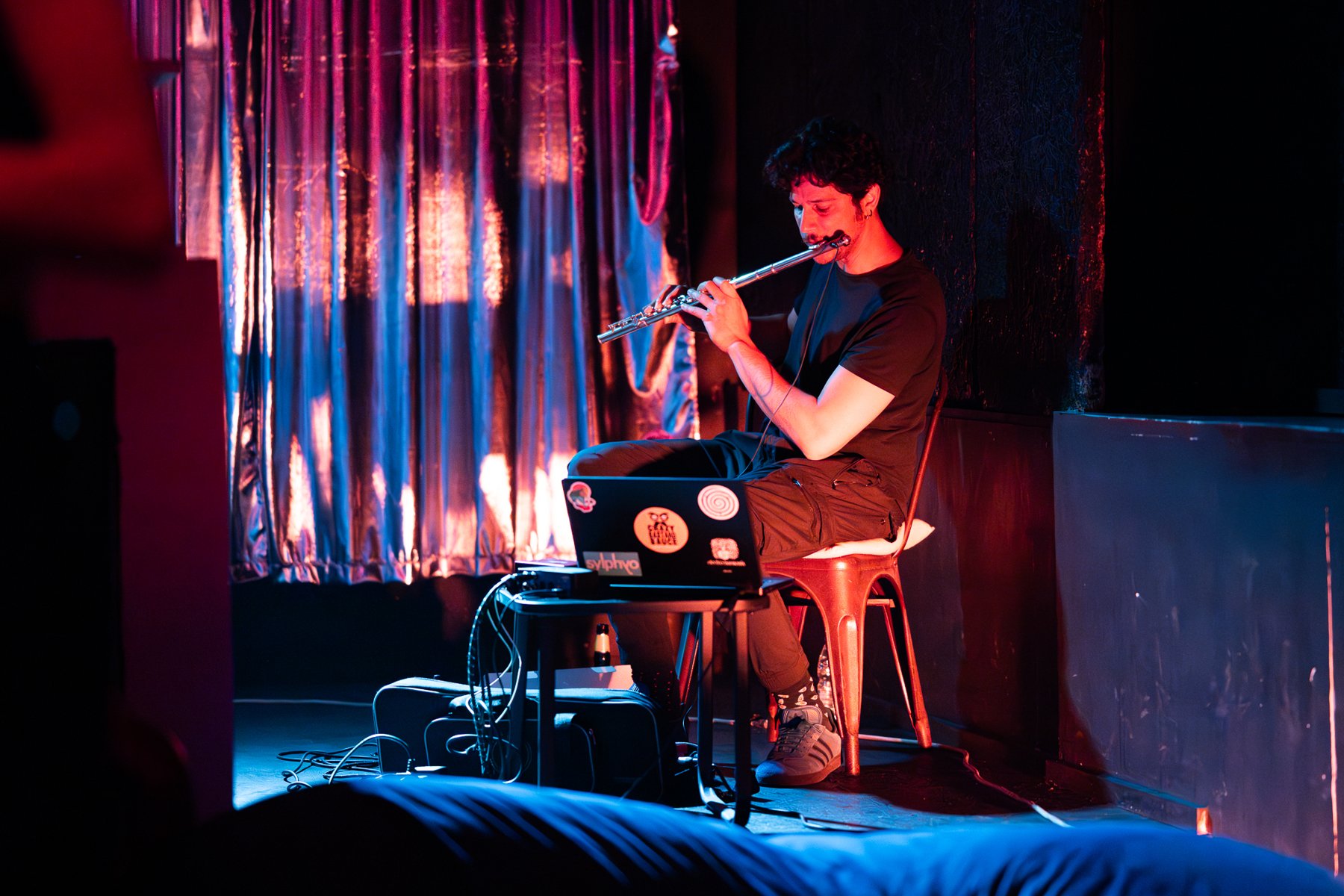
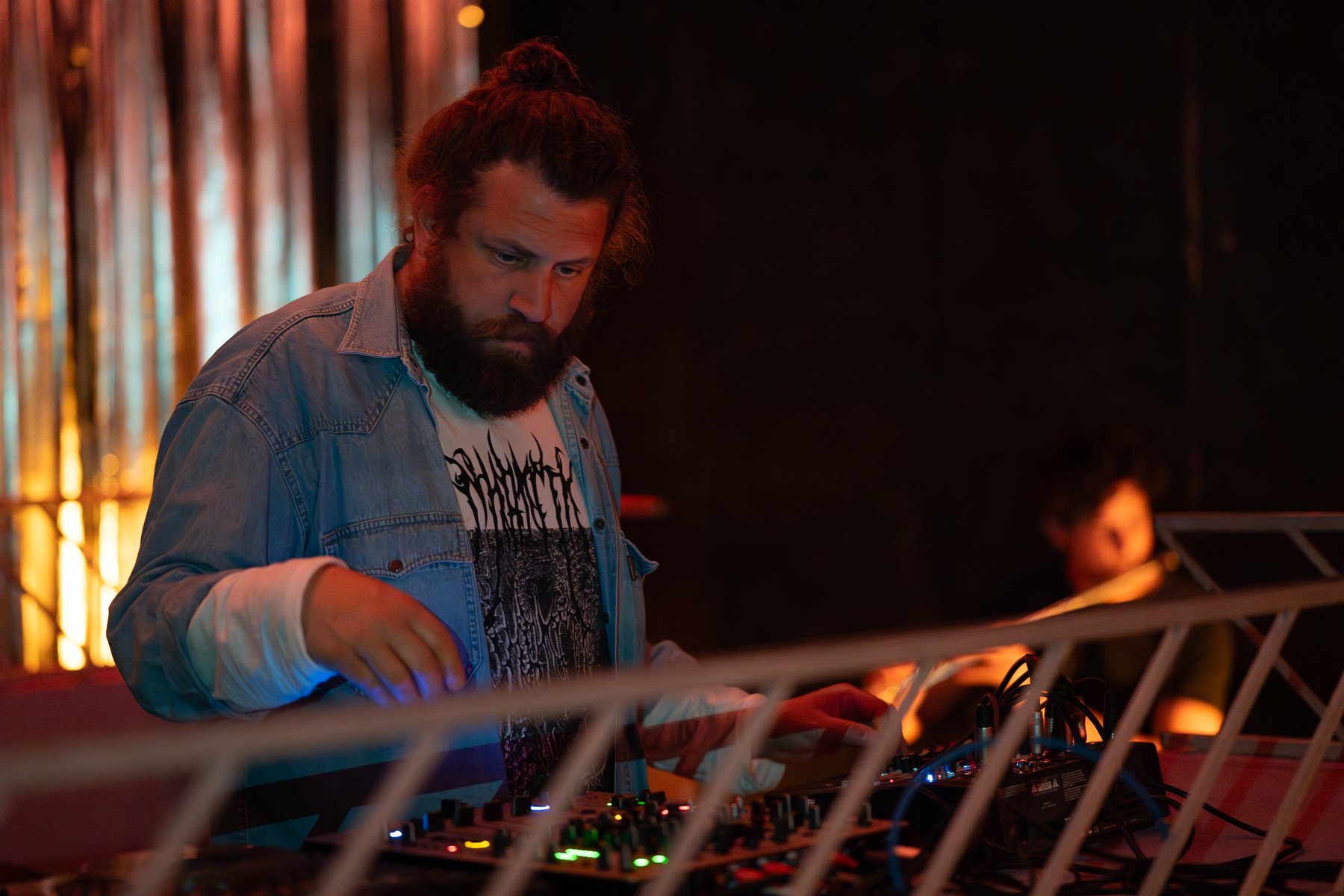
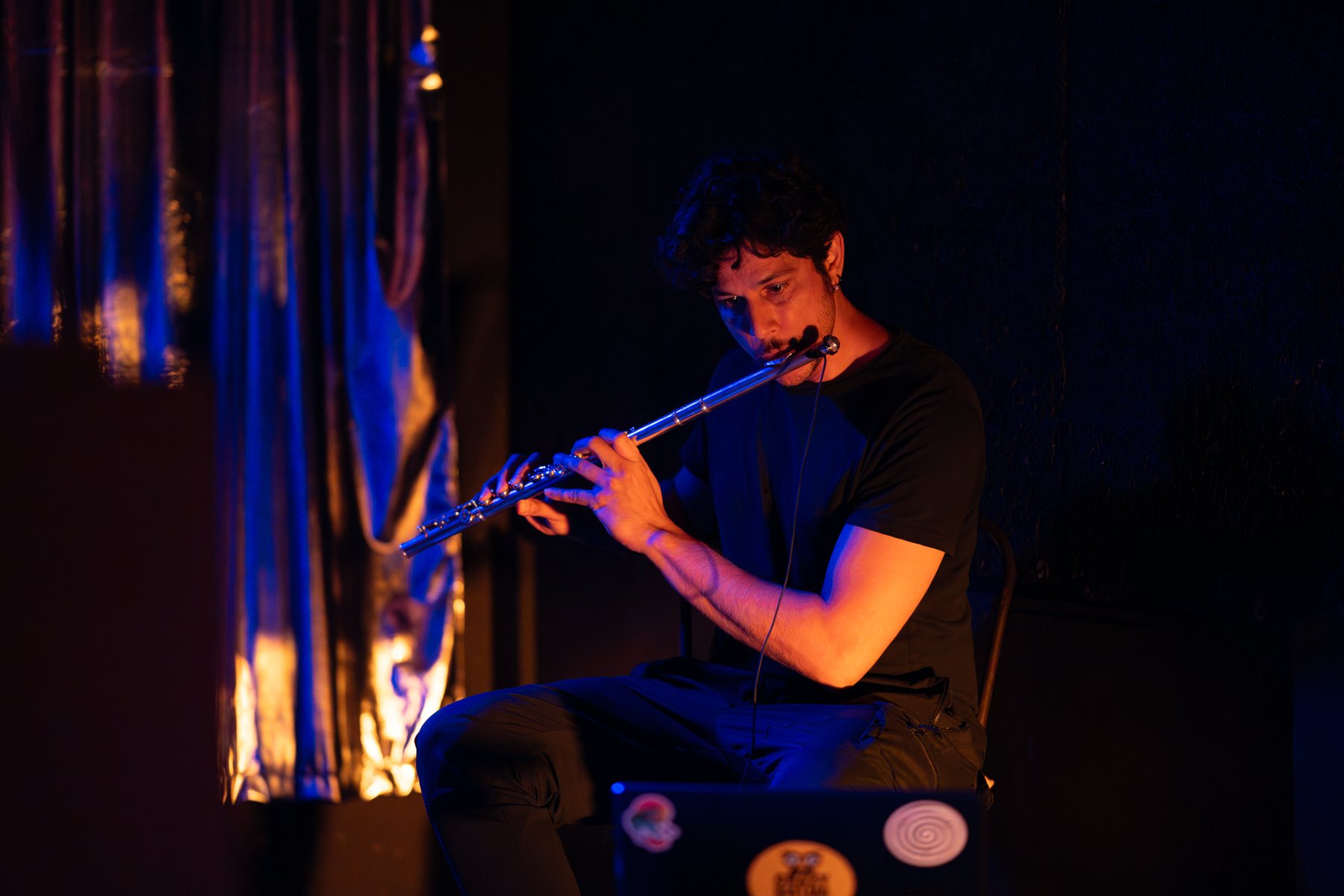
After the talk, the night continued with music curated by Pyrgatory Studios: naP (DJ set) and yasemidis (live).
Safe for whom?
The conversation opened with a challenge: the practices that keep people safe are welcome, but the idea of a ‘safe space’ is harder to accept. Gender and gender identity change whether you feel safe, even somewhere friendly and familiar, and that can be invisible to others.
“As a queer person in Cyprus, it takes me no more than three seconds to read how someone sees me in a space.”
What venues are trying
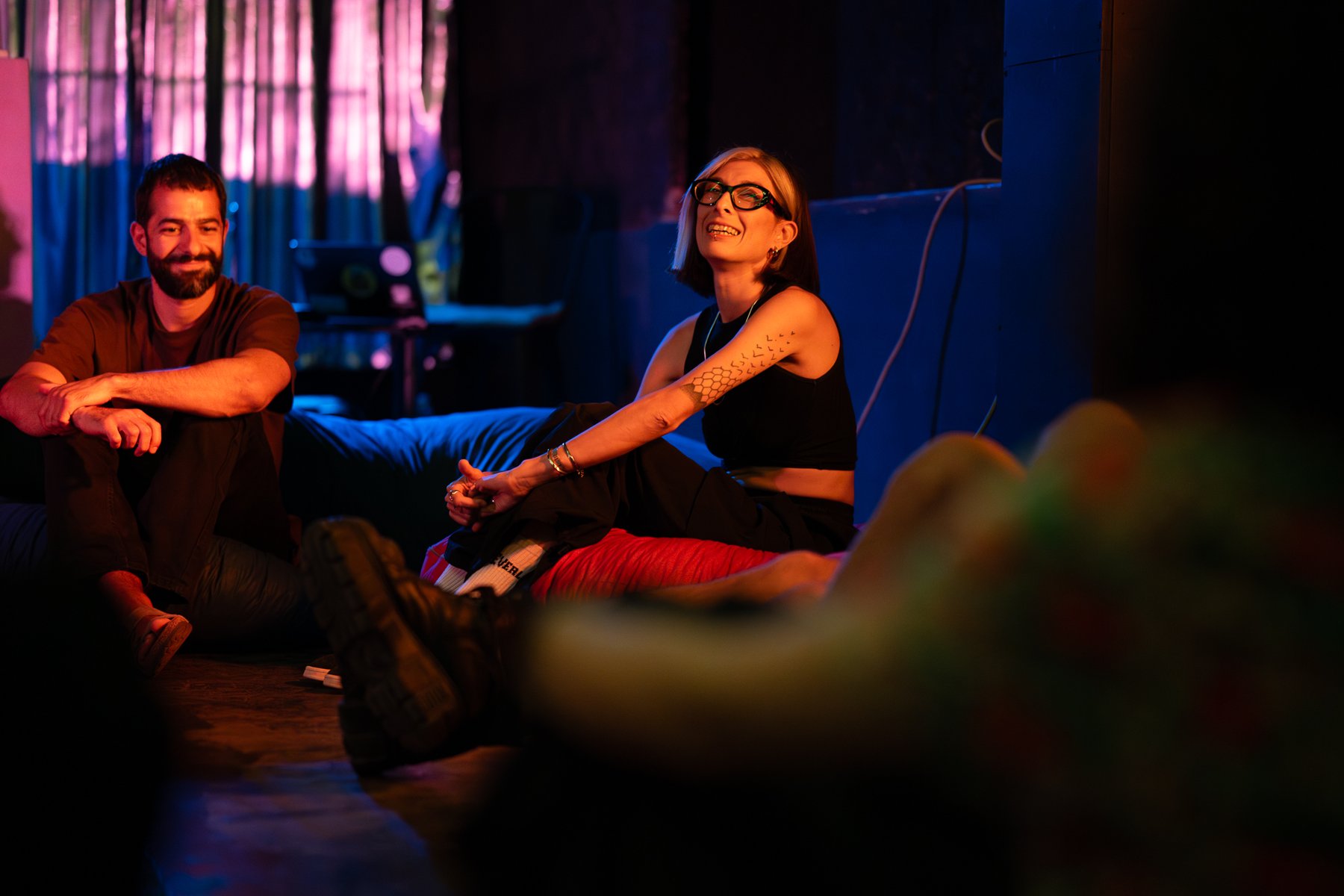
Some clubs now have someone on the dance floor wearing a fluorescent ‘vibe control’ badge, and a zero-tolerance policy on racist and sexist behaviour at the door. At first, people reacted defensively: “Why? Would I harass anyone?” Over time, the crowd took it on board and started looking out for each other.
It is also about care, not only harassment: noticing someone who has had too much to drink and bringing them water.
Care without policing
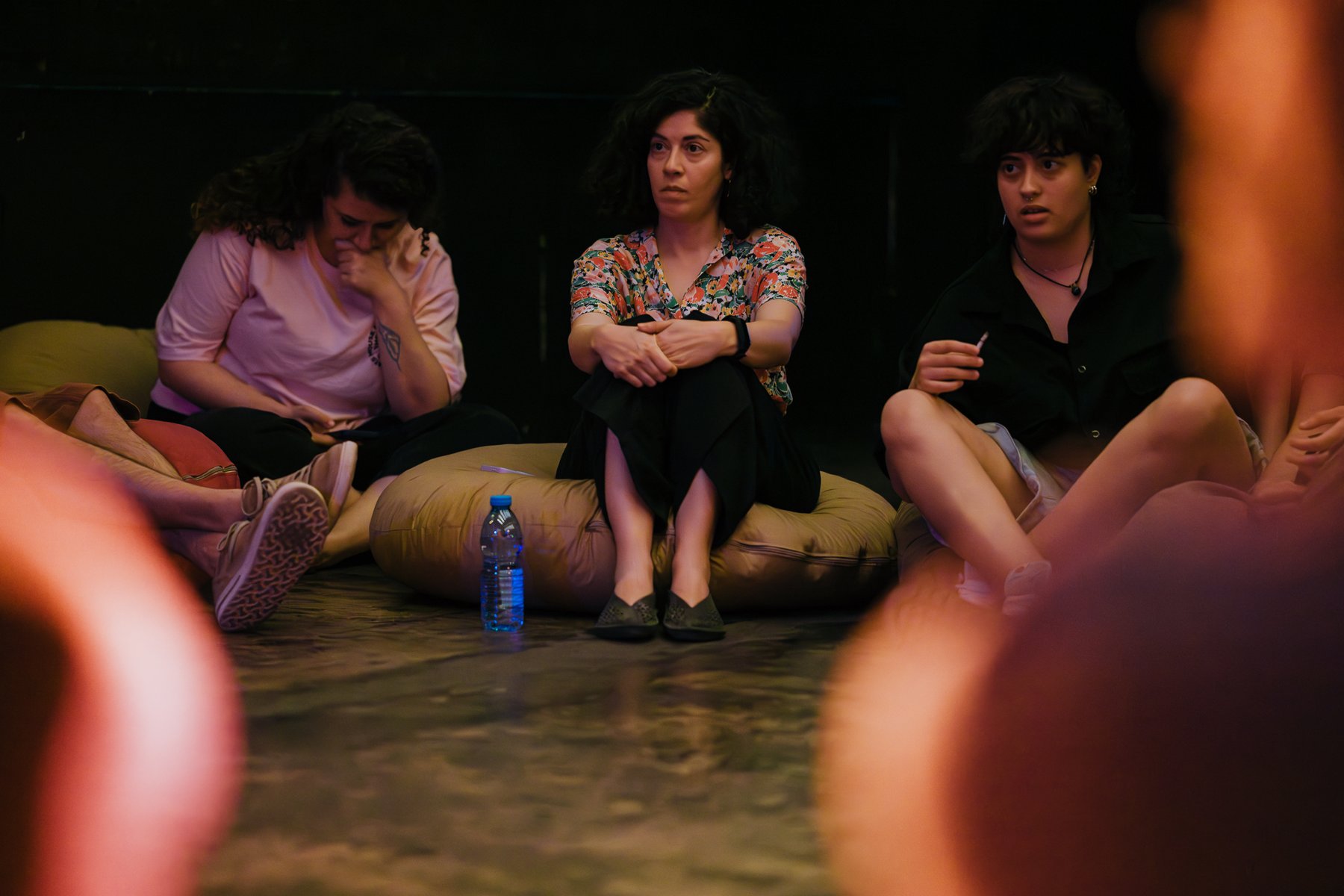
How do you protect people without reproducing policing, one of the main problems faced by people who challenge the gender binary and heteronormativity? One answer from the room: never step in without consent. Ask the person first whether everything is OK.
Others were blunter: “I don't think safe spaces exist in Cyprus.”
I'VE STOPPED SAYING ‘SAFE SPACE’. SAFE-R SPACE
You shouldn't have to explain yourself
Door staff described spending a long time explaining to someone why they were being removed, so they don't repeat the behaviour elsewhere. The room valued that, and drew a limit: for a queer person, a person of colour or a trans woman, a safe space means not having to explain yourself.
Culture takes time
A few safe clubs and bars could become a new closet. Real change means building a culture, which takes time, and pushing the state and institutions to take responsibility. A good law helps, but it won't solve everything.
Class matters too: free tickets and easier access open these spaces to more people. So does getting home. “As a trans person, I feel I need a friend to leave the club with tonight.” Living in old Nicosia, a five-minute walk home alone can be a nightmare.
By the end, some in the room wanted to organise a team and pass the vibe control idea on to other venues. “So the goal should be for ‘safer’ to happen at a greater level.”
Photos: Michael Demetriades
TY-CO (communities in conversation) · ABR – Alternative Brains Rule · Co-funded by the European Union
Funded by the European Union. Views and opinions expressed are however, those of the author(s) only and do not necessarily reflect those of the European Union or the European Education and Culture Executive Agency (EACEA). Neither the European Union nor EACEA can be held responsible for them.