24 / 10 / 2026
Where Does Your Food Come From? A Partner Fanzine from Porto
A fanzine by Barbot Bernardo from the TY-CO roundtable in Porto
A conversation over lunch does not usually end up in print. In Porto it did. As part of TY-CO (Typologies of Community), our partner Barbot Bernardo brought its community together at Saber Fazer for an afternoon on food politics, agroecology and education, and then turned that conversation into a fanzine, a Future Ecologies edition.
The zine follows the afternoon's question from the producer to the table: what do our food choices really cost? It was made for the Barbot Bernardo and Saber Fazer communities and their networks.
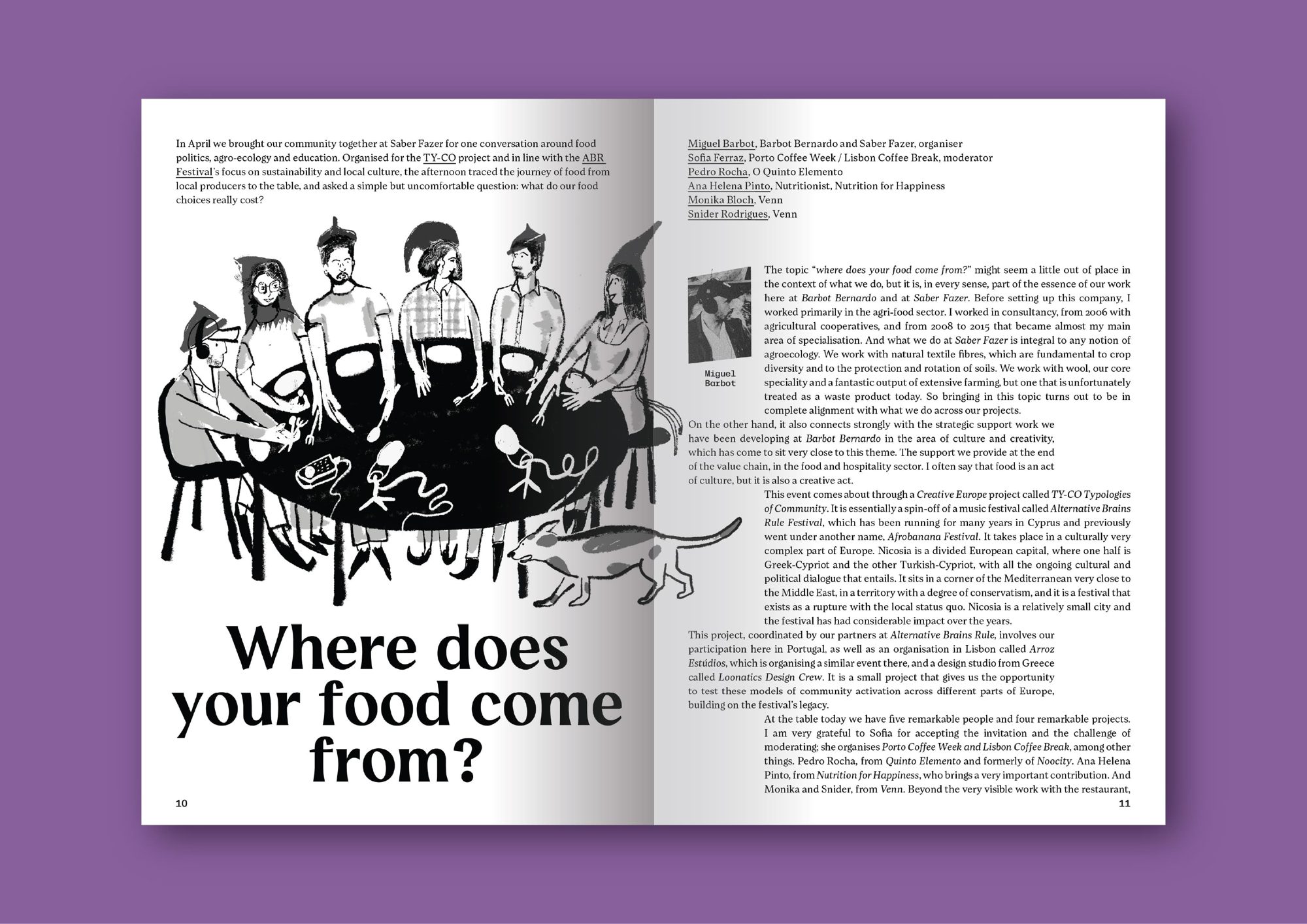
The conversation, on paper
The zine reproduces the roundtable, with a hand-drawn portrait of each speaker:
Miguel Barbot, Barbot Bernardo and Saber Fazer (organiser)
Sofia Ferraz, Porto Coffee Week / Lisbon Coffee Break (moderator)
Pedro Rocha, O Quinto Elemento
Ana Helena Pinto, nutritionist, Nutrition for Happiness
Monika Błoch and Snider Rodrigues, Venn
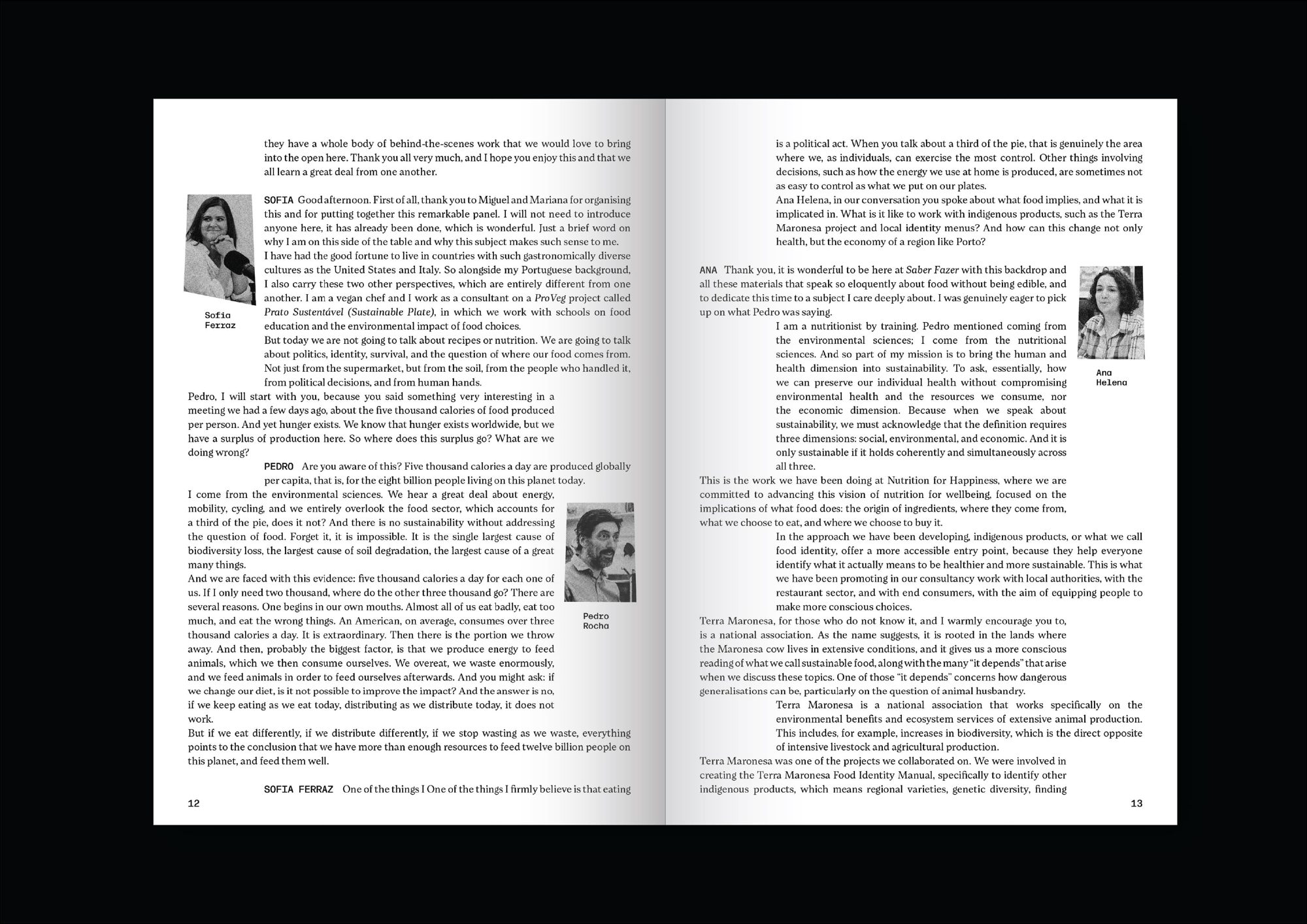
Along the way we also learn and find that there are other more interesting, sometimes surprising alternatives to use in the kitchen that can replace certain ingredients.
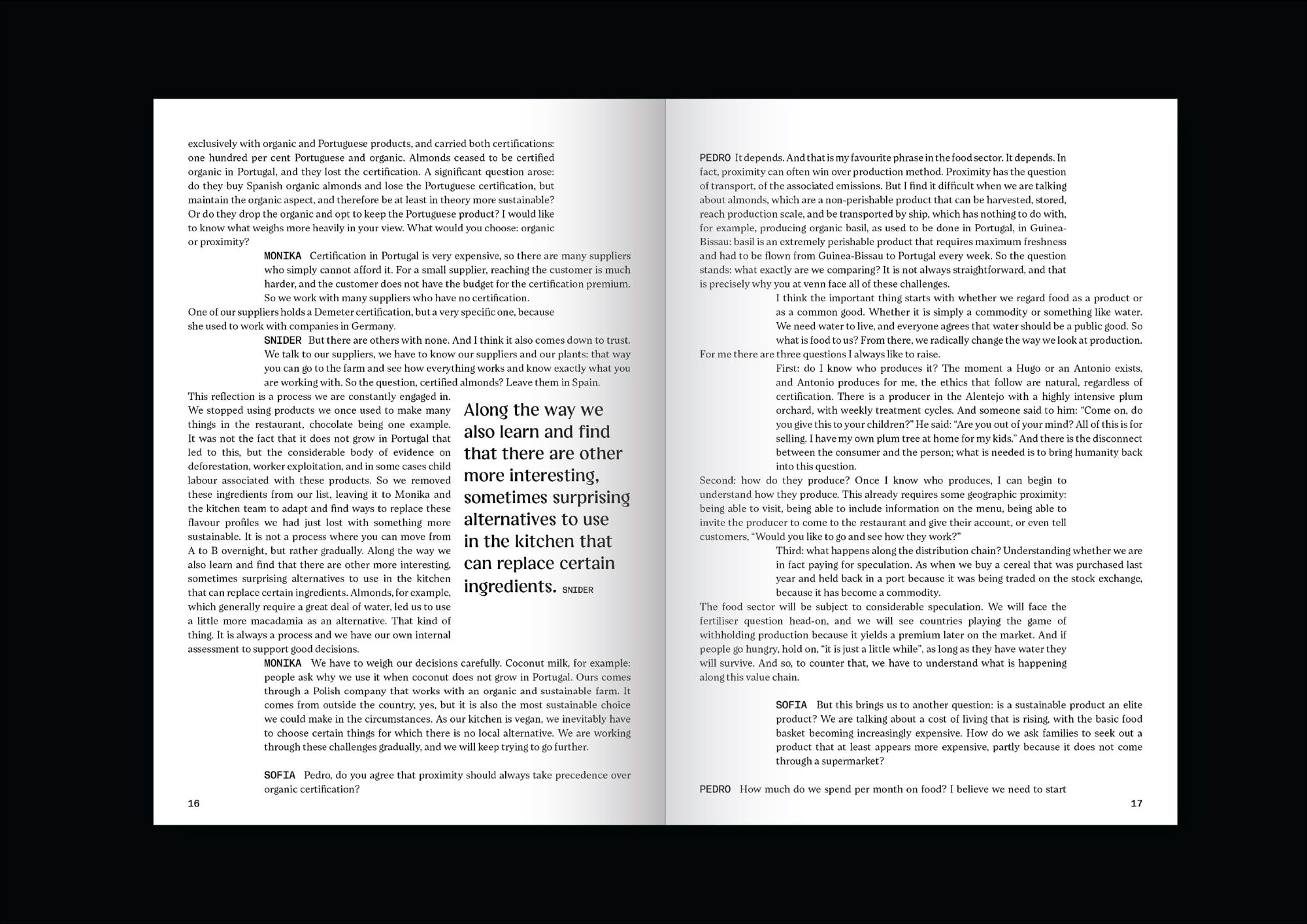
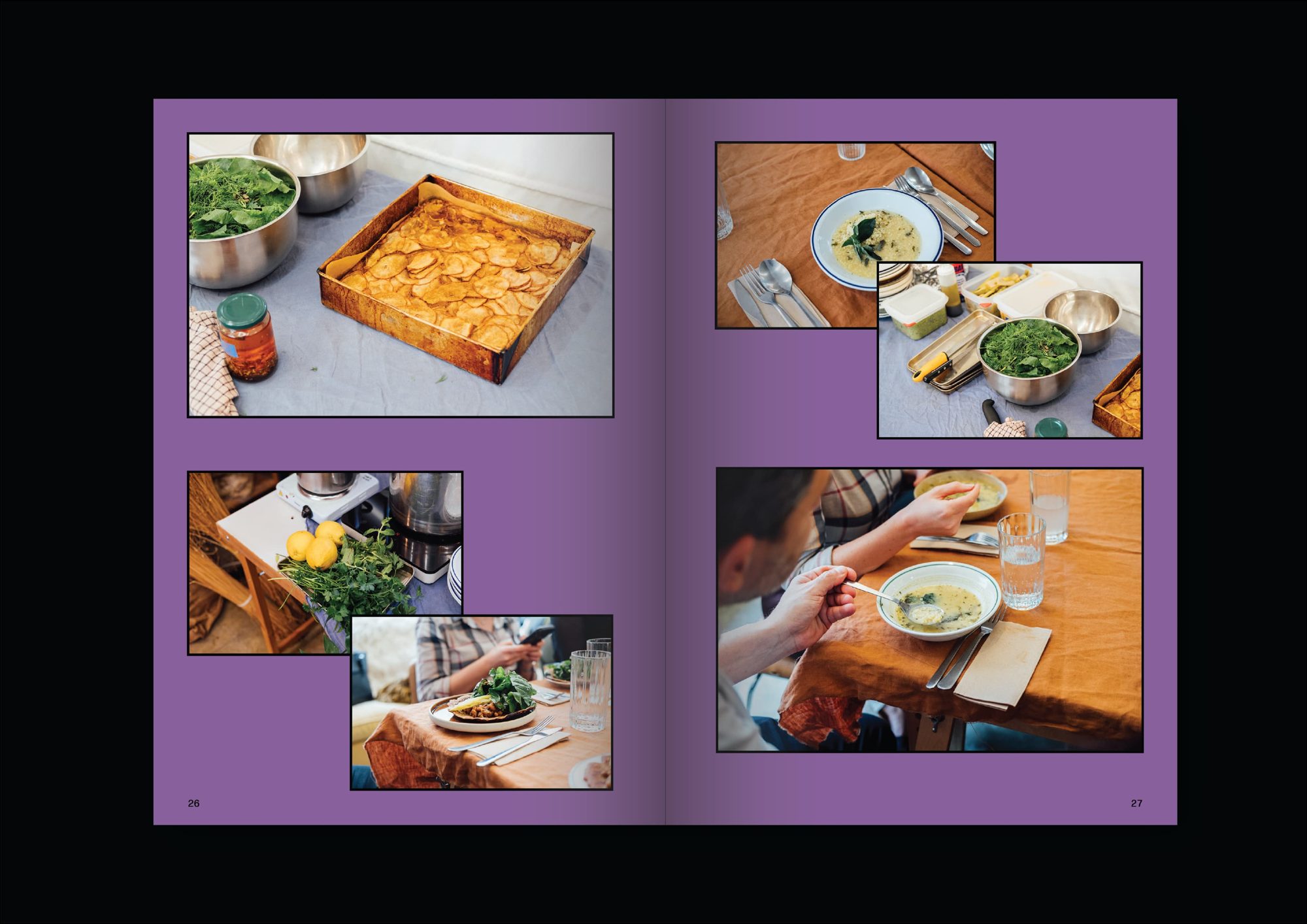
What is inside
Key takeaways from the roundtable
Guest opinion pieces and contributions from participants
Recipes
Music and book recommendations
An article asking: should design be local?
Opening the zine, Miguel explains why food belongs at Saber Fazer. The studio works with natural fibres and wool, a product of extensive farming too often treated as waste, so agroecology runs through everything it does. As he puts it: "I often say that food is an act of culture, but it is also a creative act."
Get a copy: Information on where / how to get the zine, printed or PDF coming soon
Read about the roundtable →
Watch the full roundtable on YouTube →
Fanzine: Barbot Bernardo
TY-CO (communities in conversation) · ABR – Alternative Brains Rule · Co-funded by the European Union
Funded by the European Union. Views and opinions expressed are however, those of the author(s) only and do not necessarily reflect those of the European Union or the European Education and Culture Executive Agency (EACEA). Neither the European Union nor EACEA can be held responsible for them.