30 / 10 / 2026
📰 Did you see it? Three walls, one neighbourhood, one conversation
An article by the ABR team in Sigmalive, told here in English
When was the last time you walked around your neighbourhood for no reason at all? Not to get somewhere, but just to see what’s around you?
Every day we take the same route: home, car, work, home. We barely notice the walls around us. If someone asked us what colour they are, we wouldn’t know.
In Agioi Omologites, three artists gave three of those walls something to say. Did you see it?
The life that used to be on the street
In 1961 Jane Jacobs wrote that a neighbourhood is safe and alive when there are always people on the street: people sitting outside, chatting and, without even realising it, looking out for one another.
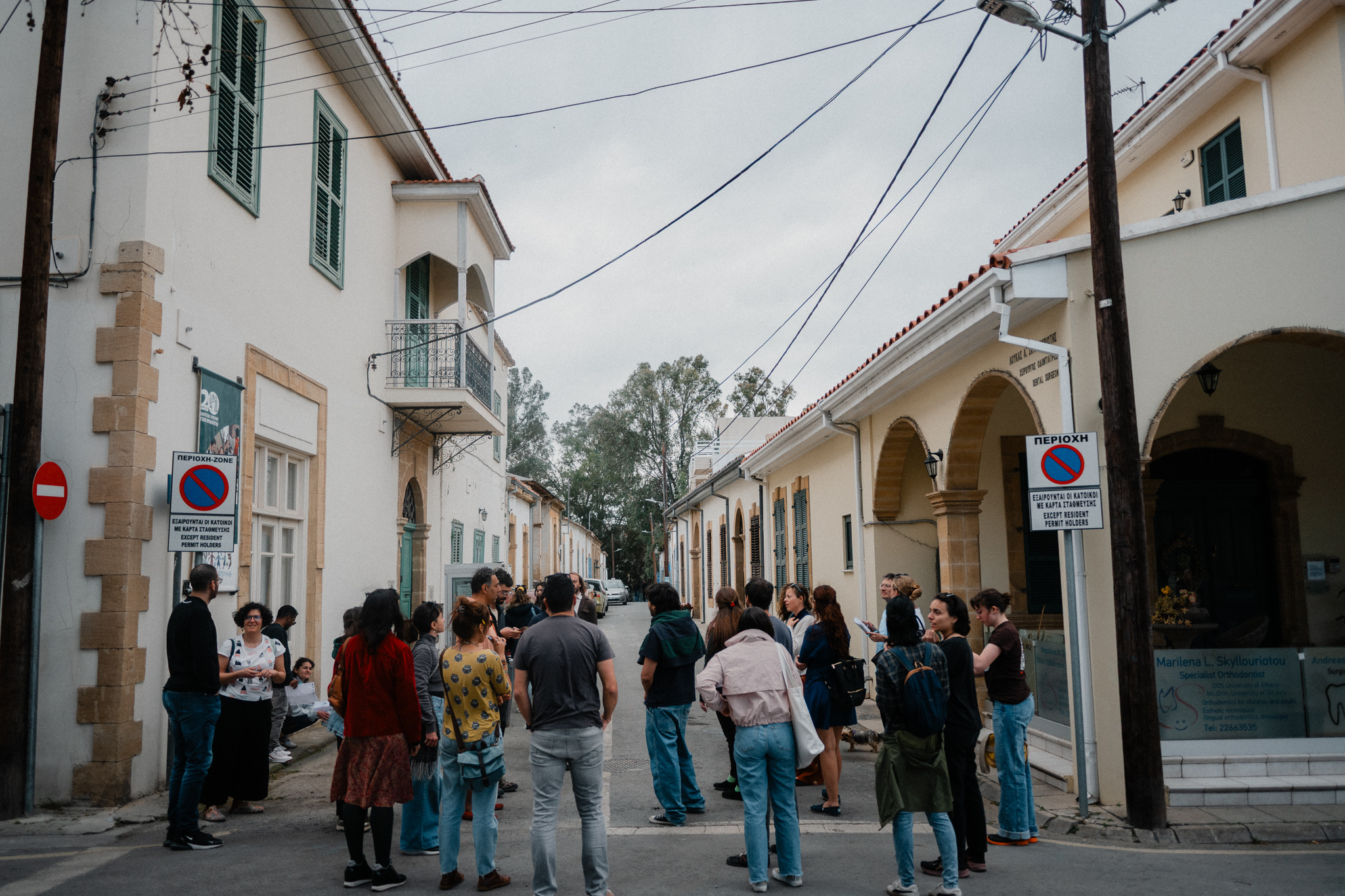
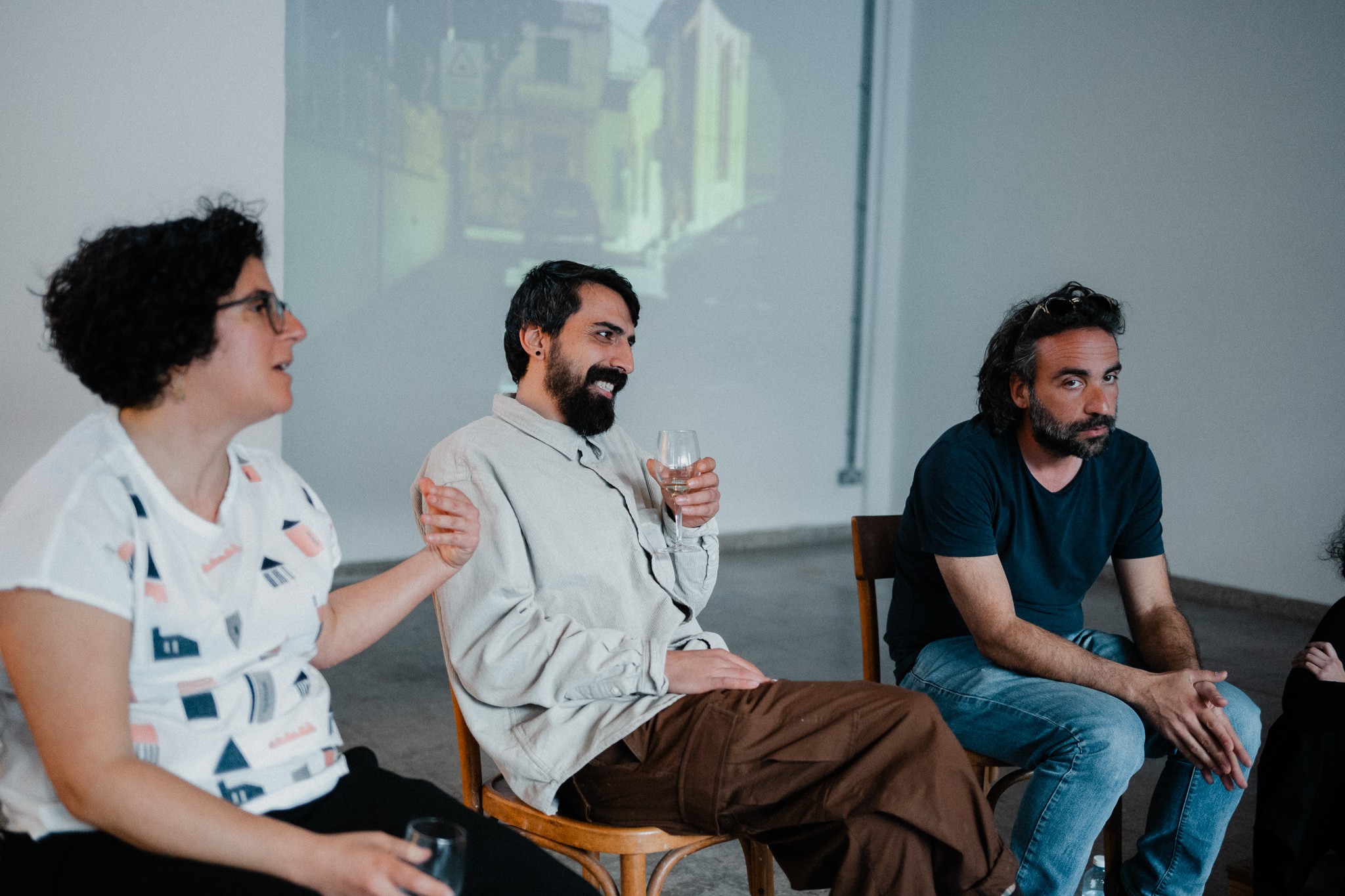
At the conversation we held at IN TOTO on 29 March, a local resident said the same thing in her own words. She remembered what the neighbourhood used to be like: people outside, neighbours talking from door to door, children playing in the streets. “There was life,” she said. “The way the city has developed, we’ve lost that.”
Can a mural bring it back? On its own, no. But if it brings back even a little of that atmosphere, as she put it, people might find a reason to step outside again.
How it all started
It all started with Laou Laou, OPU’s initiative that closes the neighbourhood’s side streets to cars and opens them to pedestrians, bicycles, children and chairs. OPU decided, as Elena Georgiou explains, to work with three artists to bring some colour to the neighbourhood and draw people outside to discover it.
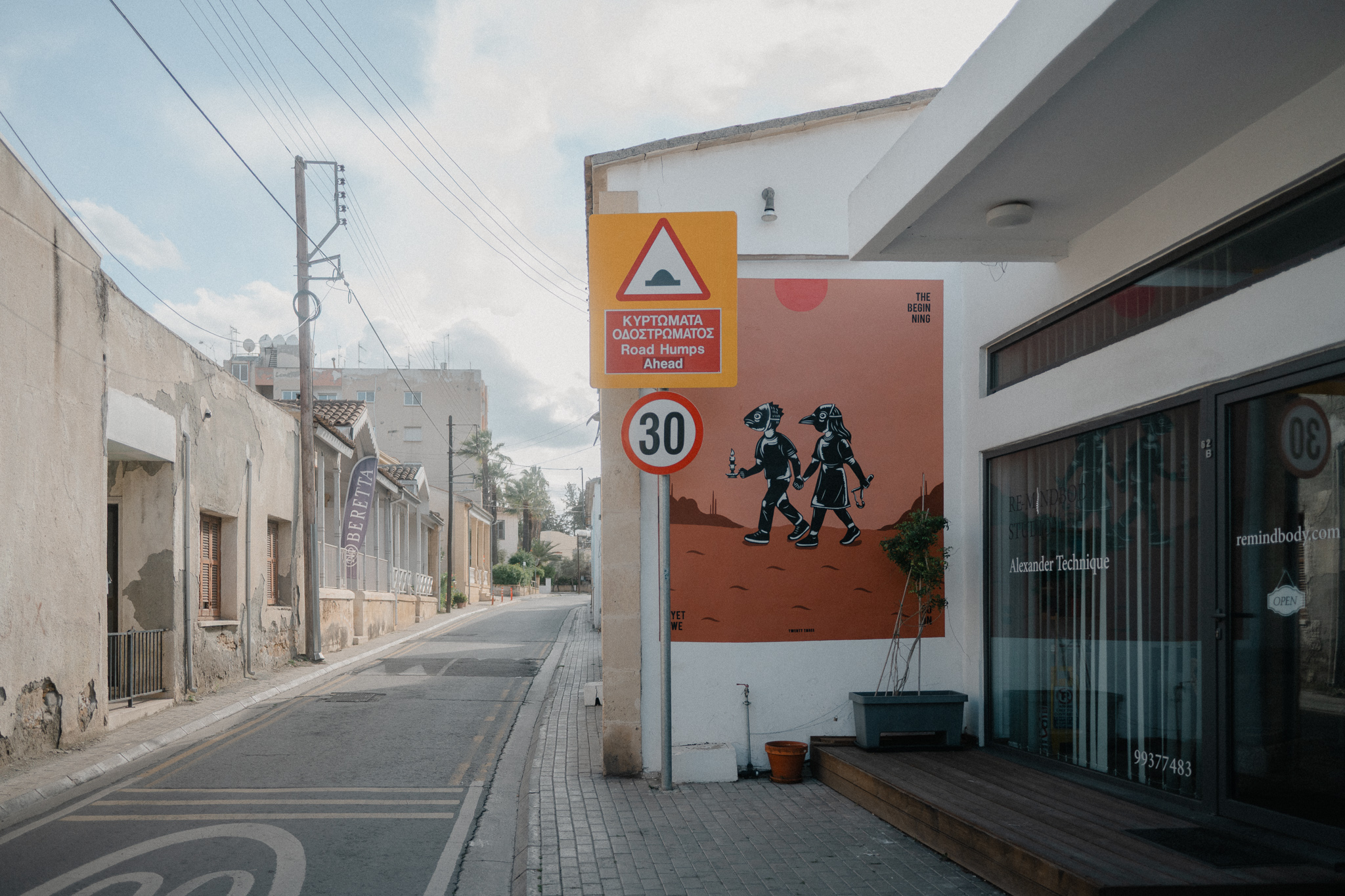
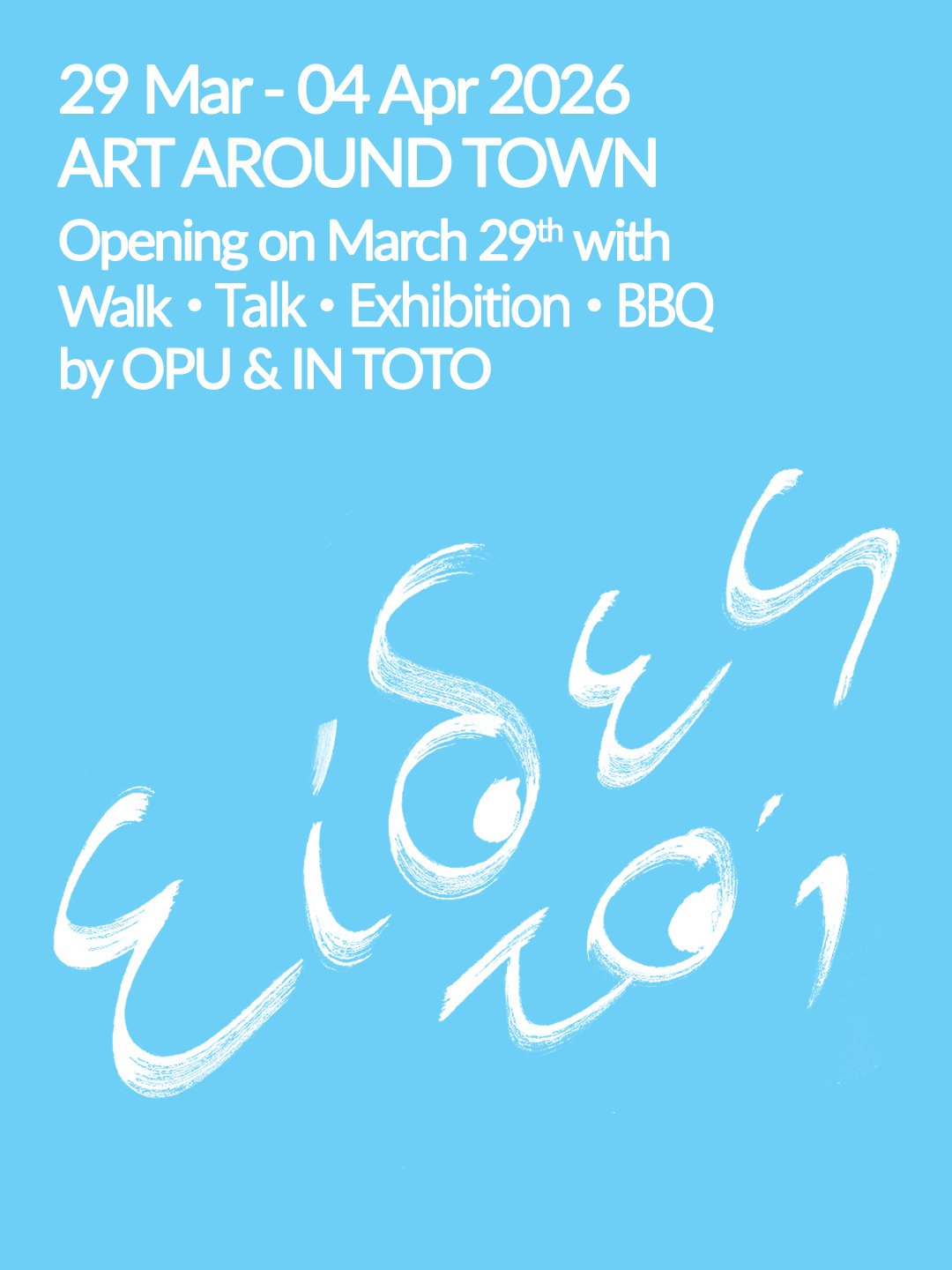
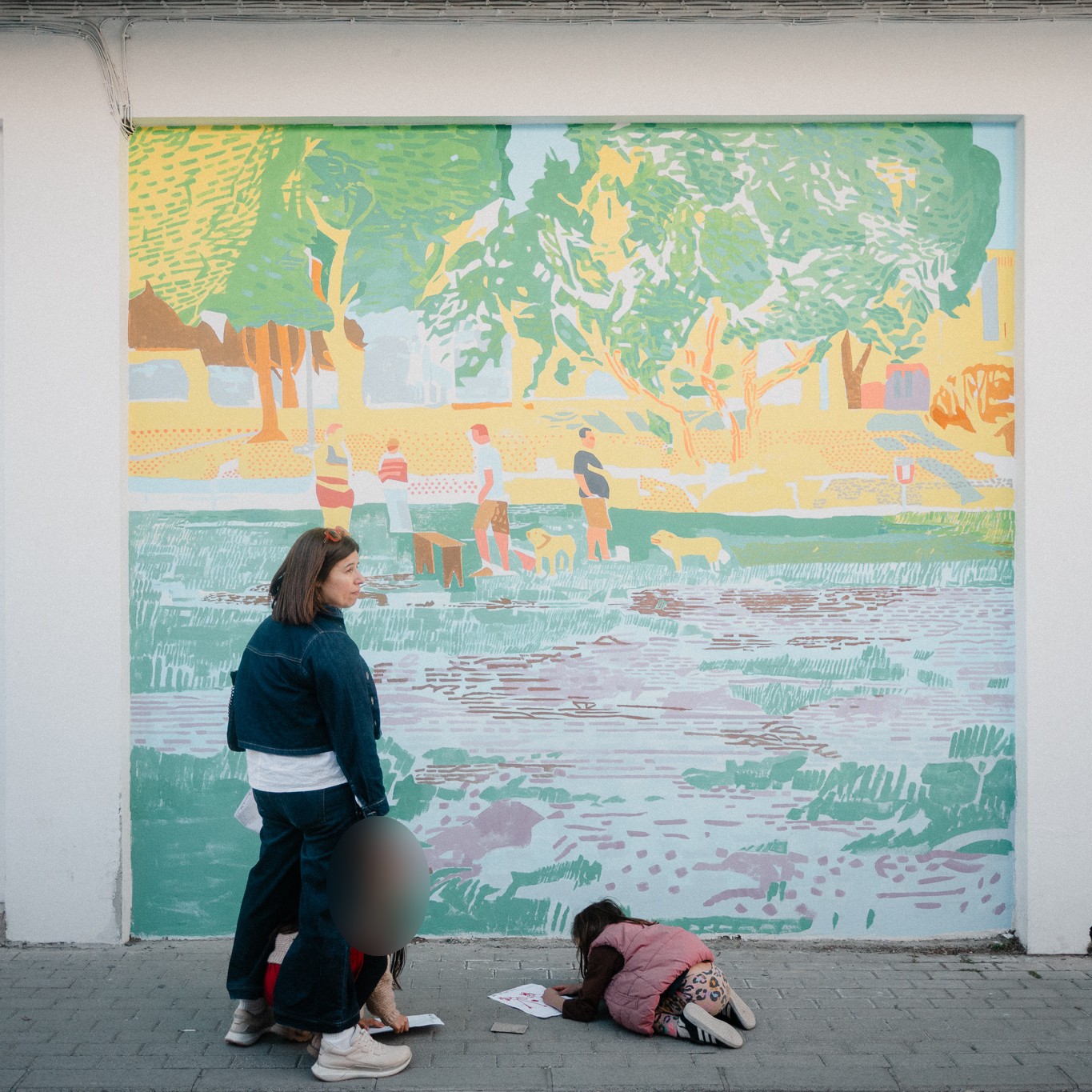
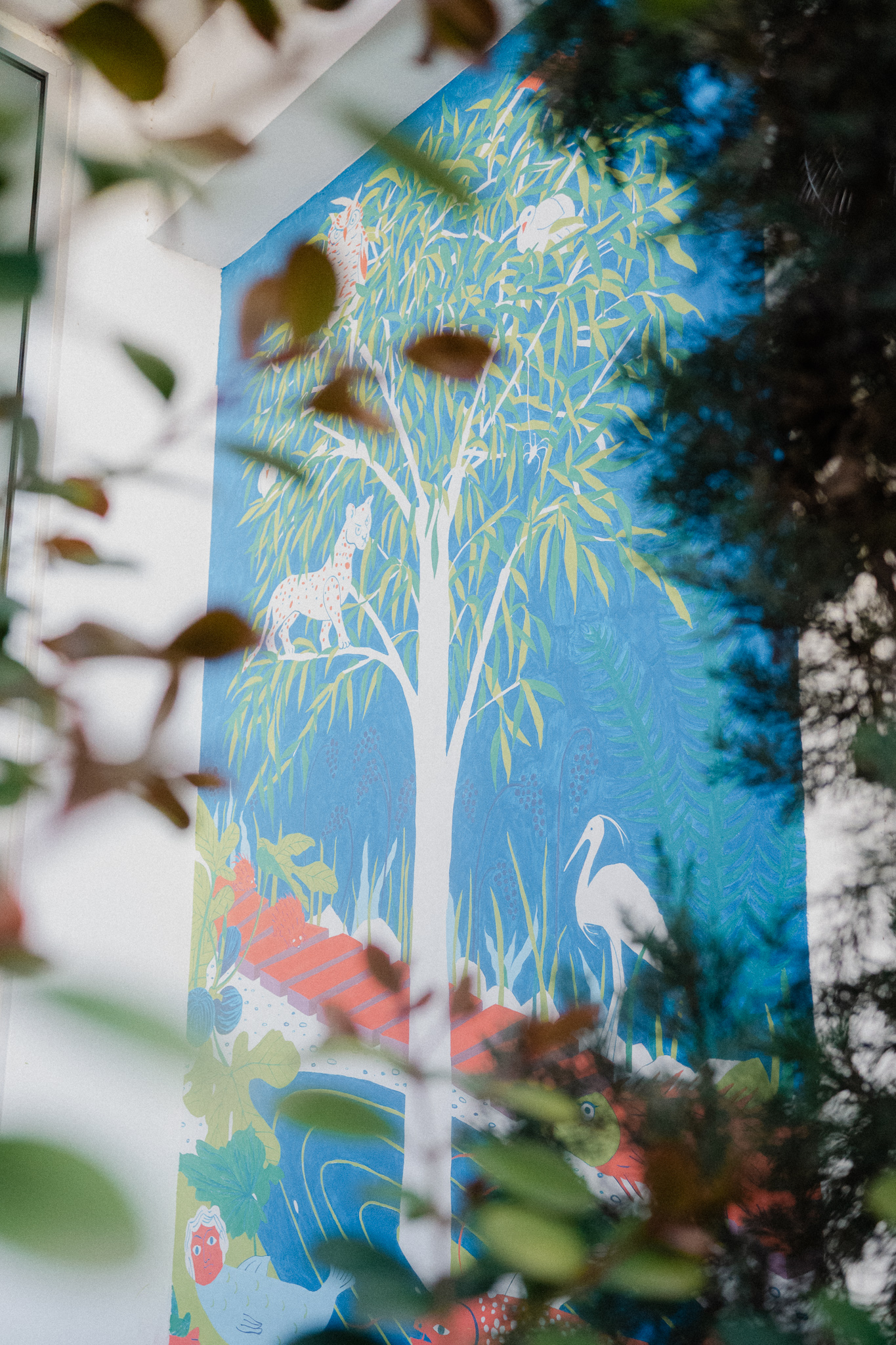
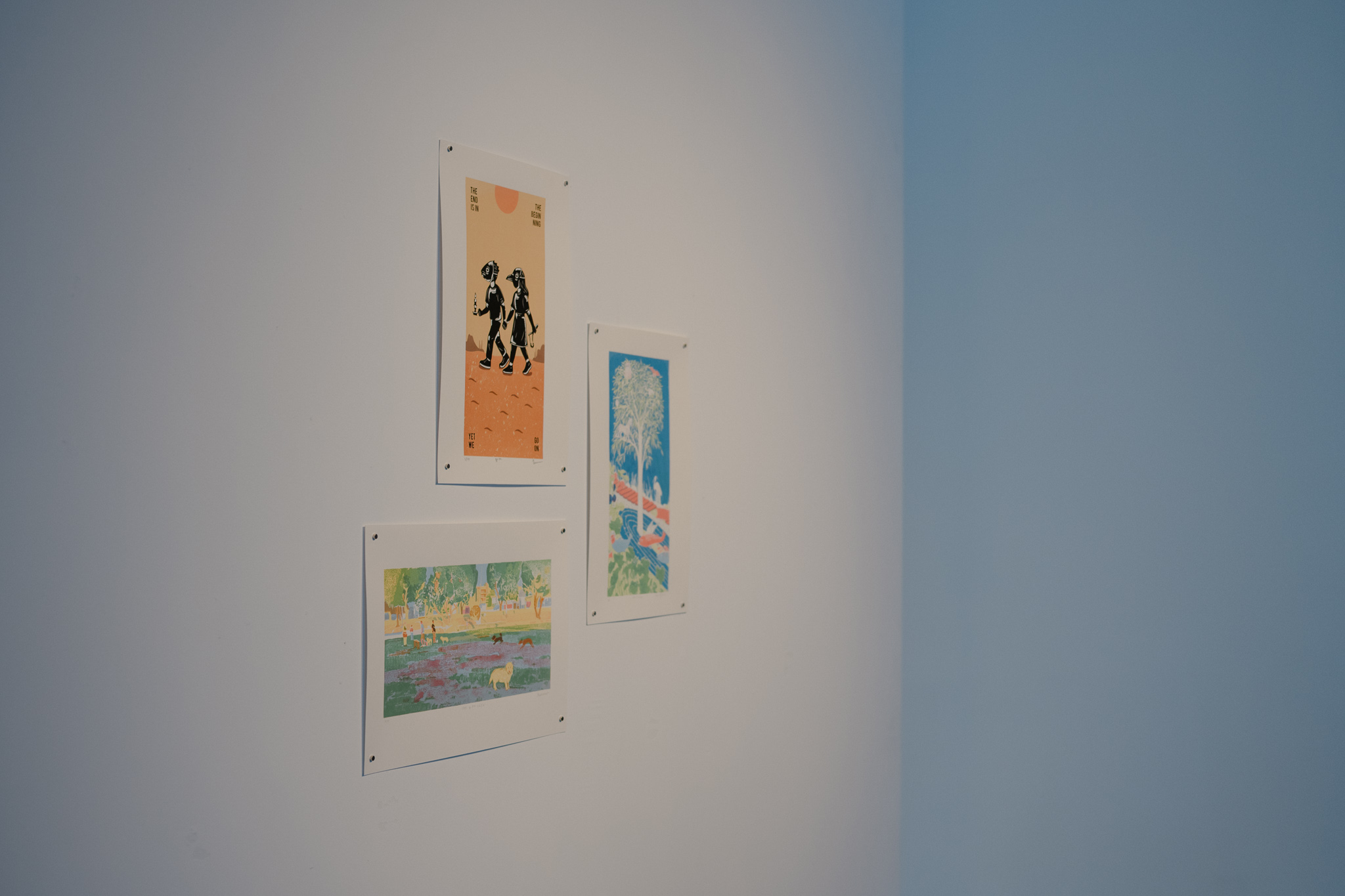
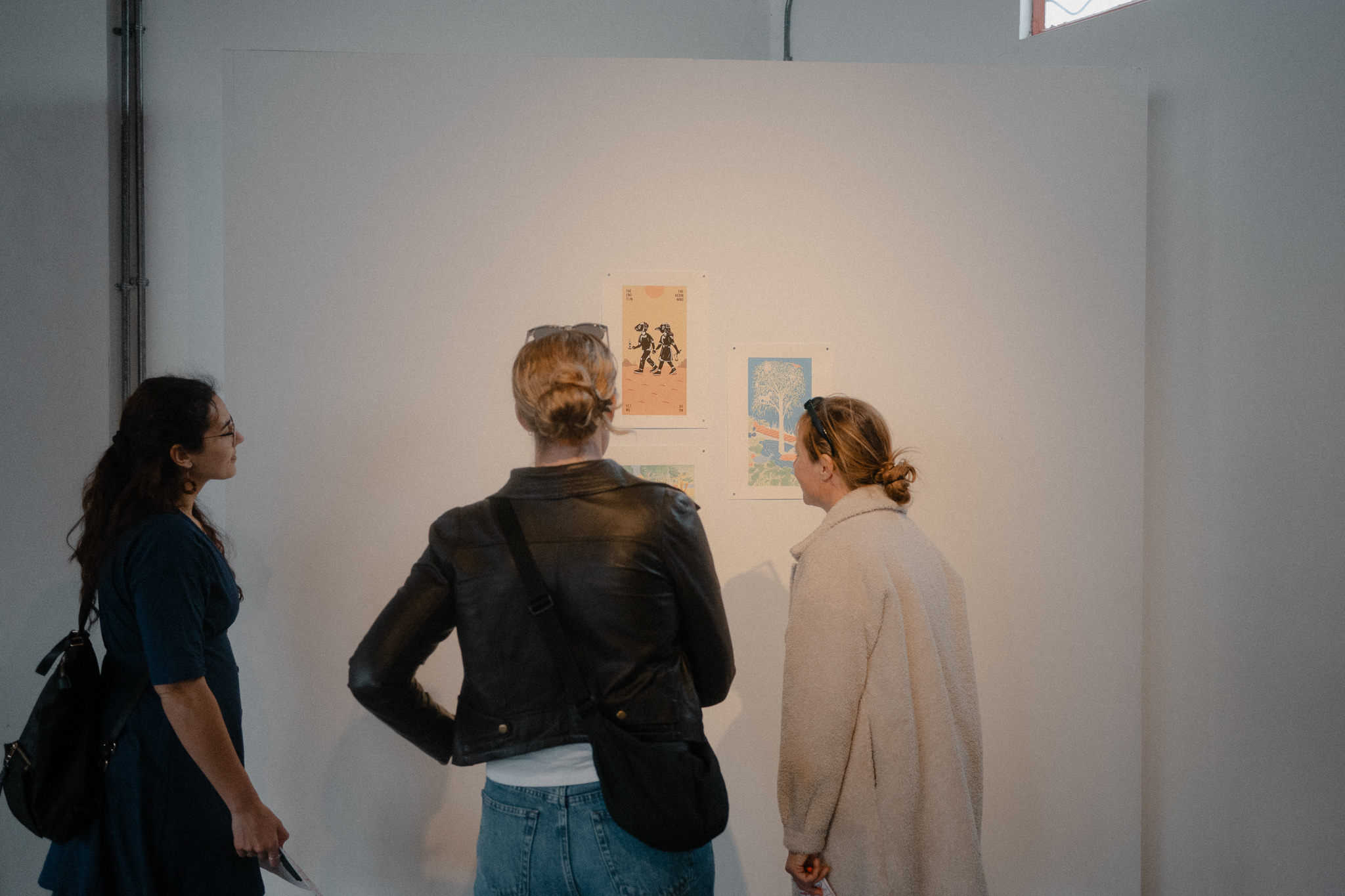
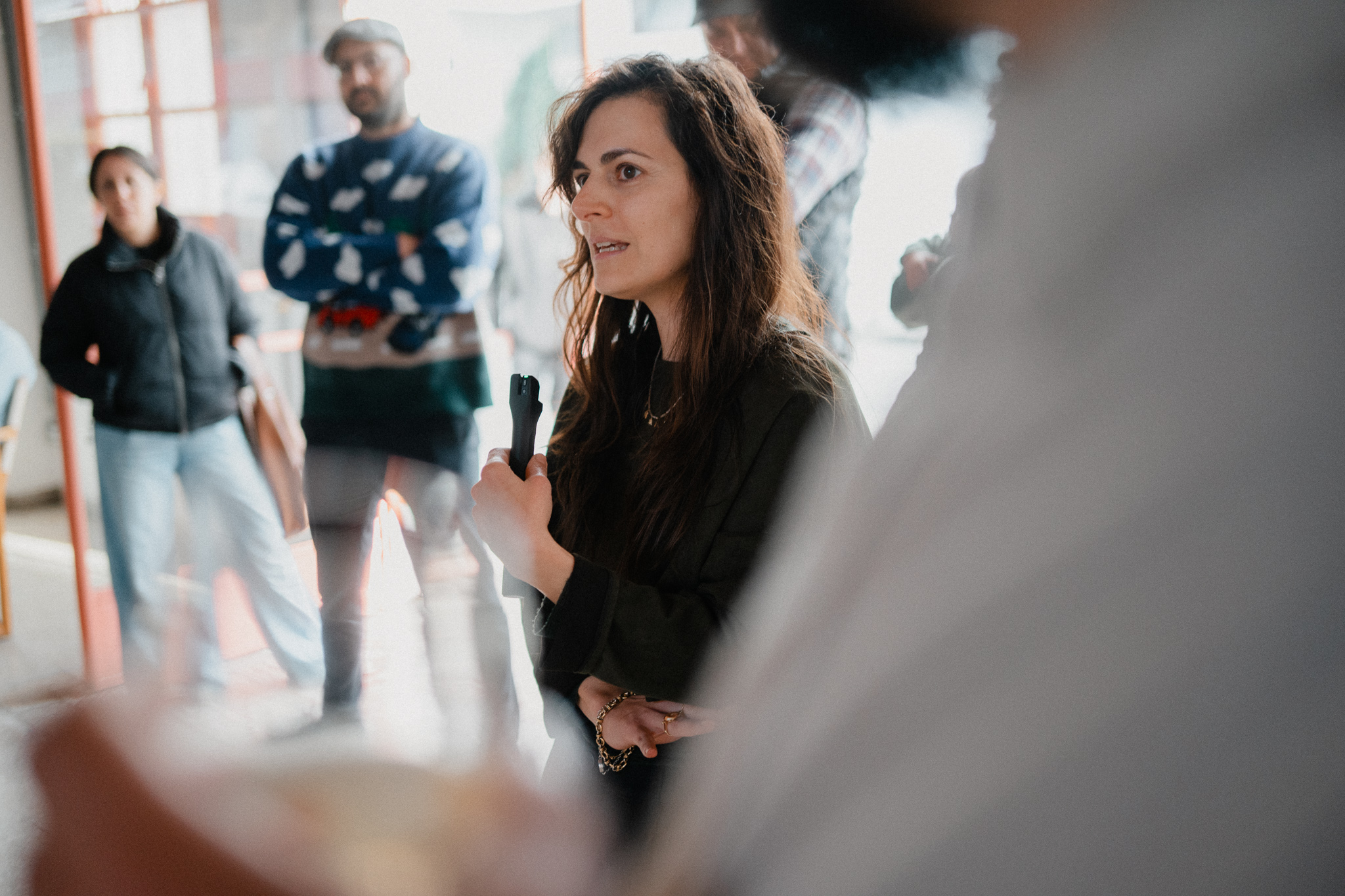
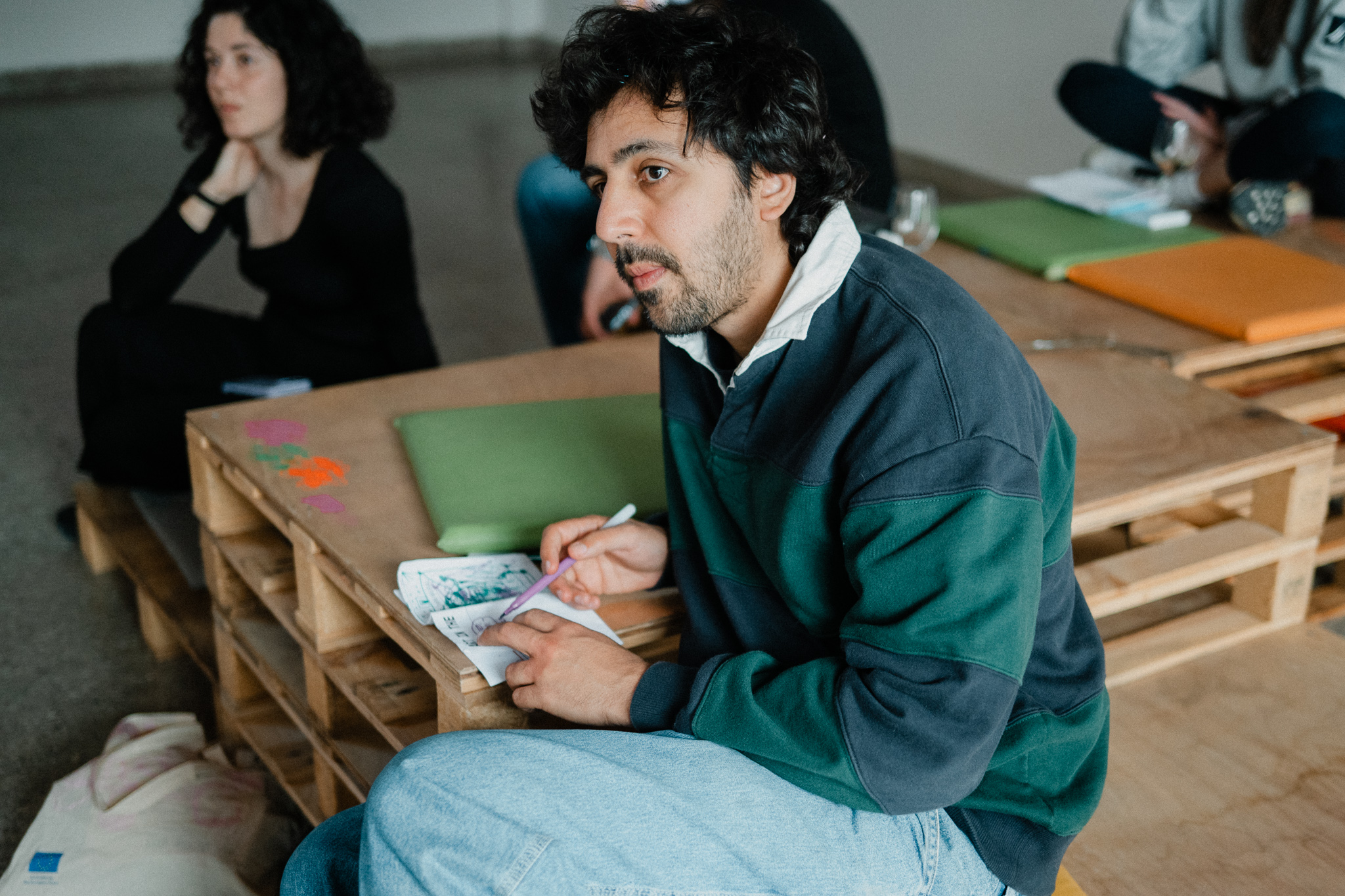
So, in early 2026, Simoni Philippou painted Ode to the Tree, Milenko Stevanović painted The 6PM Crew and Twenty Three painted Go On. Then came the event Είδες το;|Art Around Town (OPU, IN TOTO, ABR), with walks, an exhibition of screen prints of the works at IN TOTO and, to close, an open conversation in a circle. What follows was said there.
Art without a ticket
“Art is for everybody,” Keith Haring used to say. To see art in a gallery, you have to decide to go. A mural, as someone in the circle said, is simply there. You come across it on your way, and it changes your day a little.
Someone described it as a breath of fresh air: you’re walking through the city, you see something on a wall that moves you, and for a moment you feel it speaks for you. One artist remembered passers-by stopping under the scaffolding to say “Bravo, thank you!”, as if he were doing something important. And maybe he was.
There are also the small things: little drawings hidden in a corner, which you discover as if on a treasure hunt. That’s why, as was said, it’s worth changing your route now and then: you never know what you’ll find.
Who pays?
When one artist started painting murals in Cyprus in 2012, he had to explain to the authorities what street art is and why it matters. Today, as he said in the circle, it’s easier to find both a wall and funding. Some call it “the Banksy effect”.
The wall can be found. The hard part is everything else. “My job is to produce artwork,” one artist said, but before the work can happen, he first has to write applications. And then there’s the familiar line: “Oh, free art, great, do whatever you like on my wall.” As if the artist’s work didn’t need to be paid for.
Ideally, organisations would take care of the paperwork and artists would get on with what they do best. Because colour doesn’t appear on our streets by itself.
13-12
Every neighbourhood has its own anonymous painters. In the circle we talked about the kids who already write on the walls: “13-12”, names, slogans. It’s their way of saying “we’re here”. The question was how these kids could develop their skills. Through workshops? In the circle, people said they’d be unlikely to accept them.
Philadelphia found another way: an anti-graffiti programme from 1984 grew over the years into Mural Arts Philadelphia, with thousands of murals made by artists together with young people. Something similar was said in the circle: don’t give them a lesson, paint with them, on a real wall.
And there are examples. Students who weren’t particularly interested in school worked with an artist on a mural for three days, and some of them kept sending him messages long afterwards. At another school, girls learned to make stencils. “They loved it.”
What if…?
The conversation produced ideas worth holding on to.
What if there were a map of the neighbourhood where you could say: “I have a wall, at this address, this many square metres”? Artists would find places to work and propose projects. Someone remembered that something like this existed in Rome in 2015.
What if a wall were painted white again every so often, so that anyone could paint on it? What if neighbours each chipped in a little money for the mural they want to see? What if murals travelled from neighbourhood to neighbourhood?
And the hardest question: how can a conversation like this reach the municipality and lead to results? There’s no plan yet. “For me, this is just the beginning,” someone said. We agree.
FOR ME, THIS IS JUST THE BEGINNING
Did you see it?
We’re not asking you to become an artist. Tomorrow, walk down a street you never take and look at the walls. If you find something you didn’t expect, take a photo and send it to us.
And if you have a wall you’d like to bring to life, or you know how to paint on walls and want to teach someone younger, get in touch. The conversation doesn’t end here.
This whole conversation became an eight-minute film, which you can watch on YouTube. You can find the full conversation on the ABR blog. The screen prints of the three murals are a limited edition and support neighbourhood initiatives. For more, ask OPU.
The ABR team
Watch the film: Είδες το;|Art Around Town
Read the original article in Greek on Sigmalive →
Original article: The ABR team, «Είδες το; Τρεις τοίχοι, μια γειτονιά, μια κουβέντα», Sigmalive, 30 October 2026.
The full conversation: What Can Art Change in a Neighbourhood?
Instagram: @alternativebrainsrule · @opu_collective
Newsletter: subscribe on Substack
Photos: Michael Demetriades
TY-CO (communities in conversation) · ABR|Alternative Brains Rule · Co-funded by the European Union
Funded by the European Union. Views and opinions expressed are however, those of the author(s) only and do not necessarily reflect those of the European Union or the European Education and Culture Executive Agency (EACEA). Neither the European Union nor EACEA can be held responsible for them.