29 / 03 / 2026
What Can Art Change in a Neighbourhood?
Art Around Town: a TY-CO conversation with OPU and IN TOTO in Agioi Omologites, Nicosia
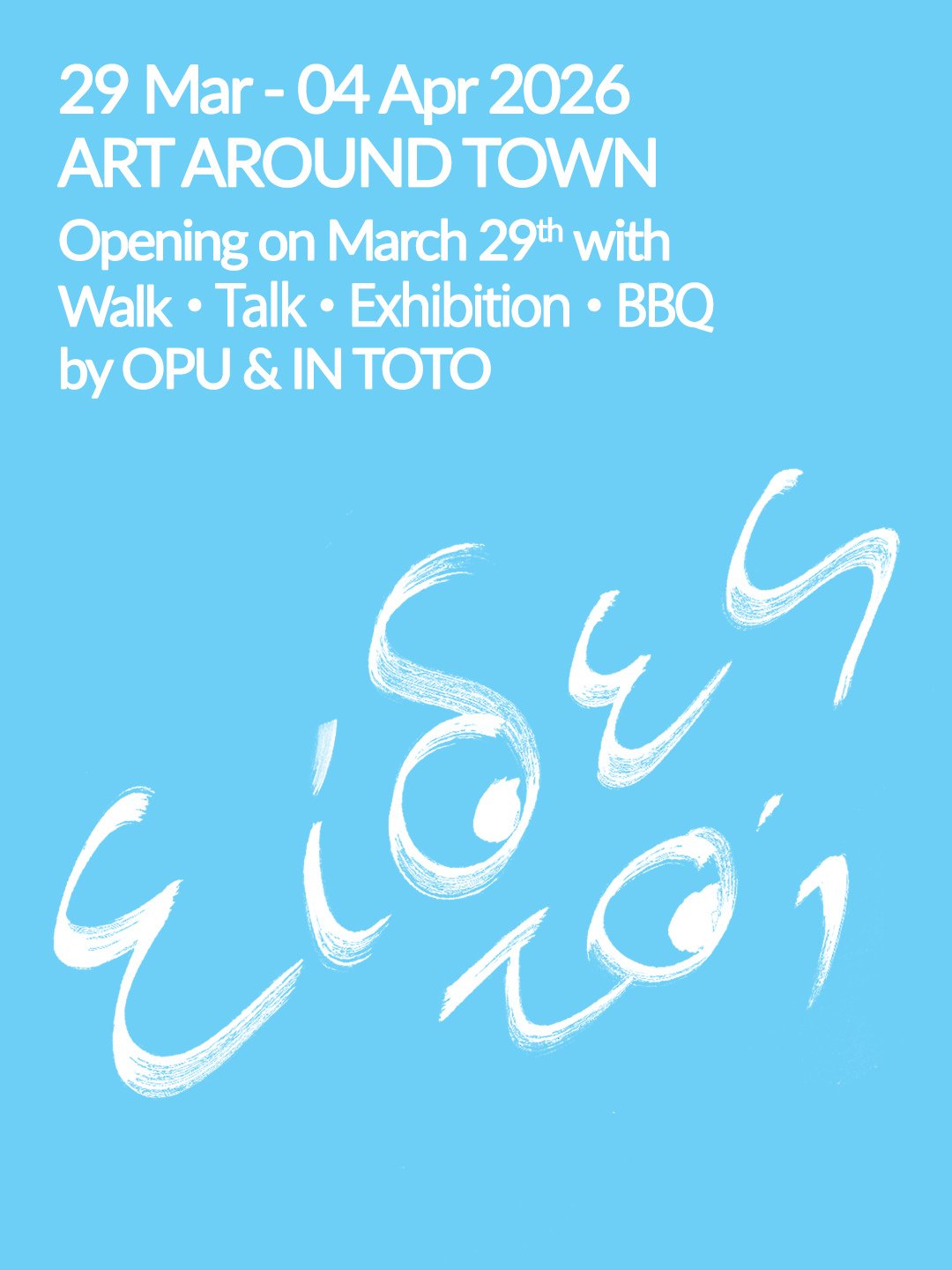
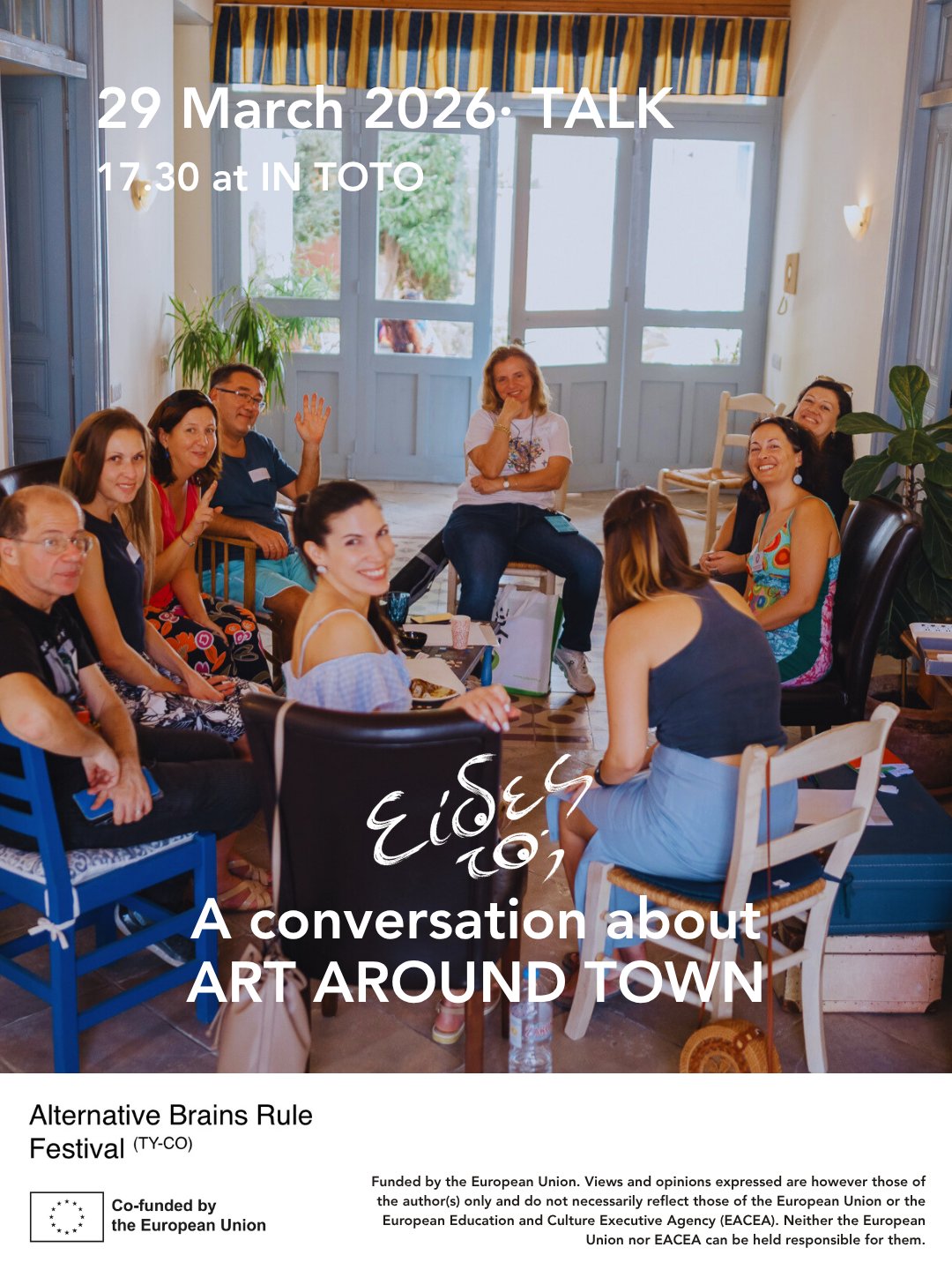
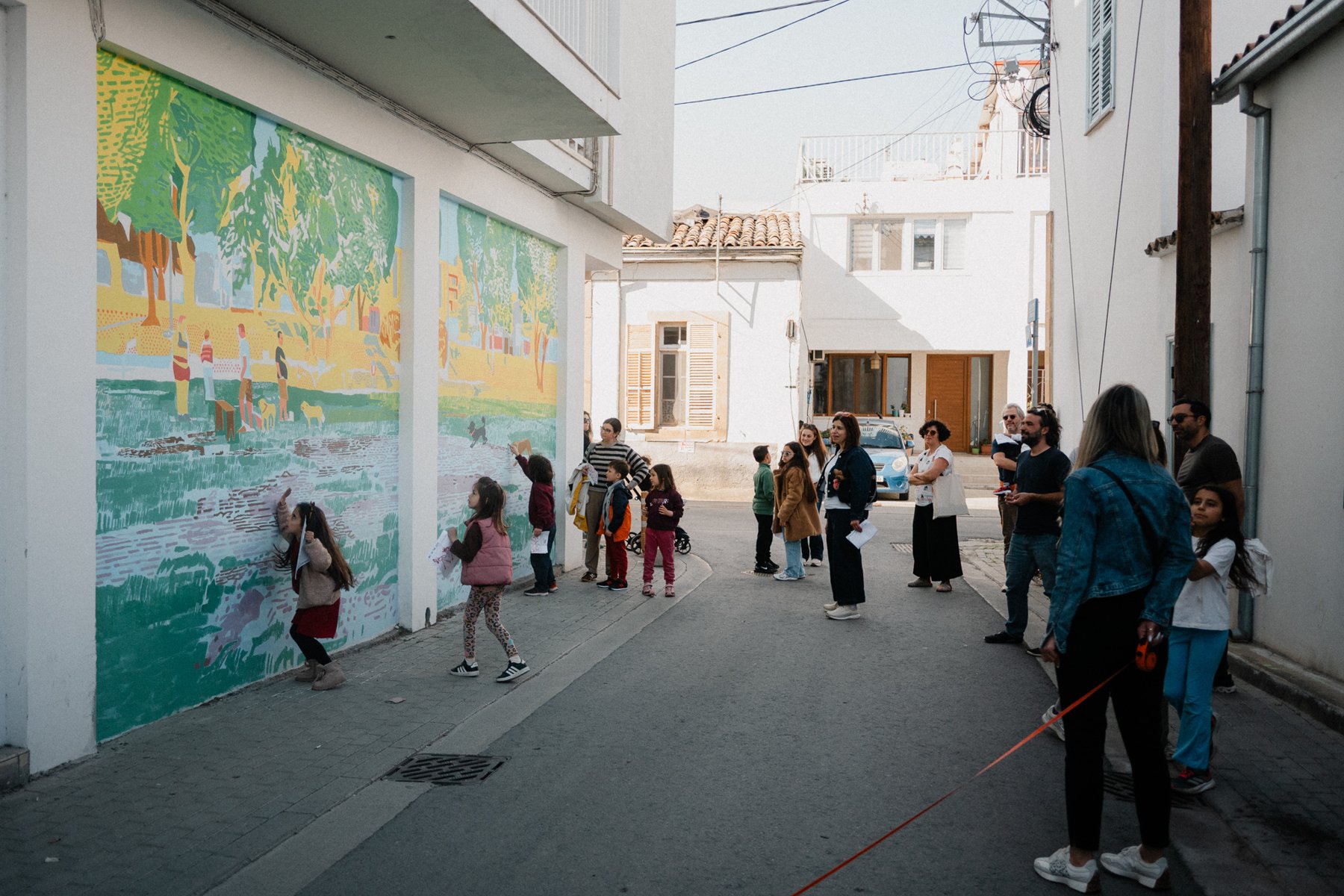
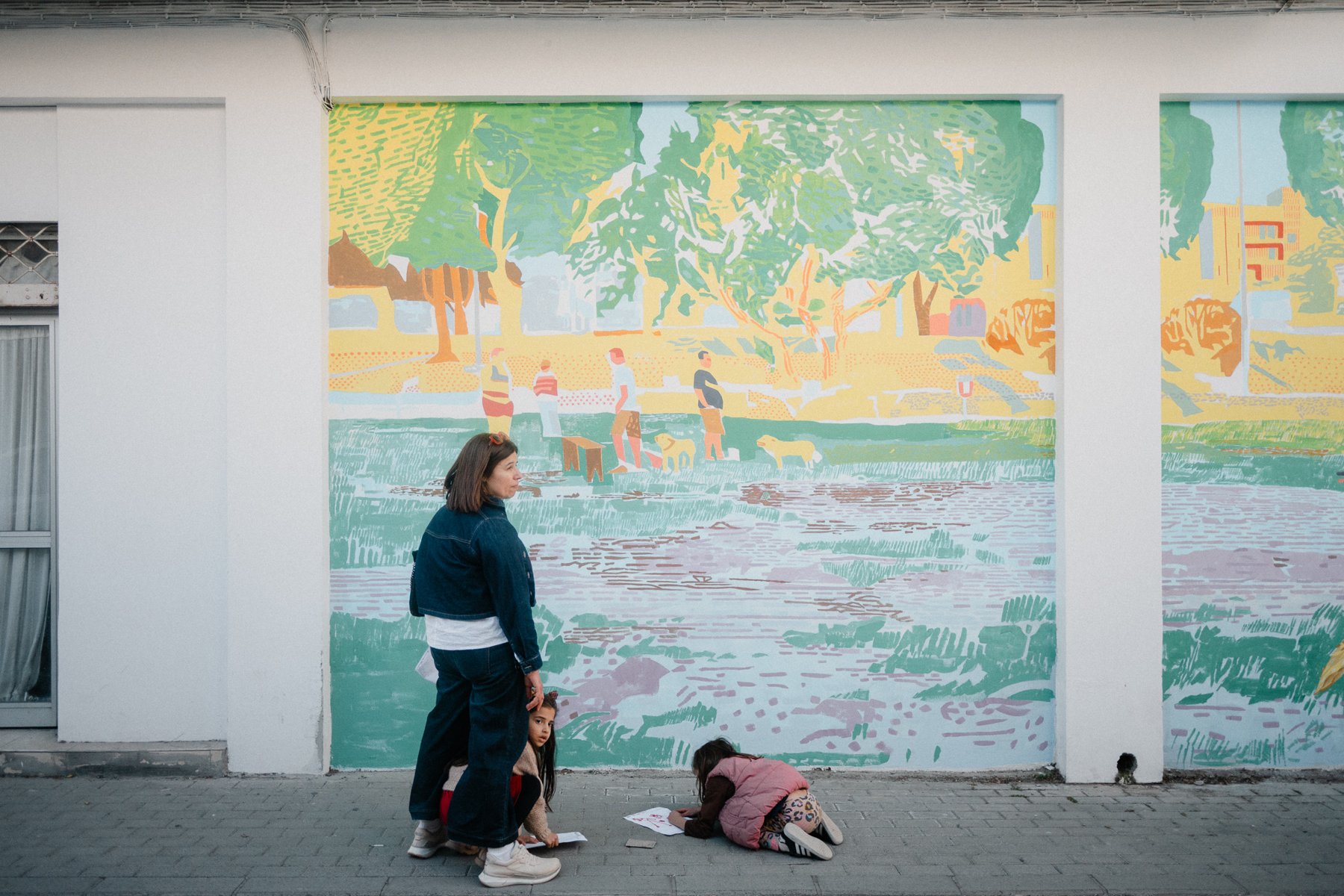
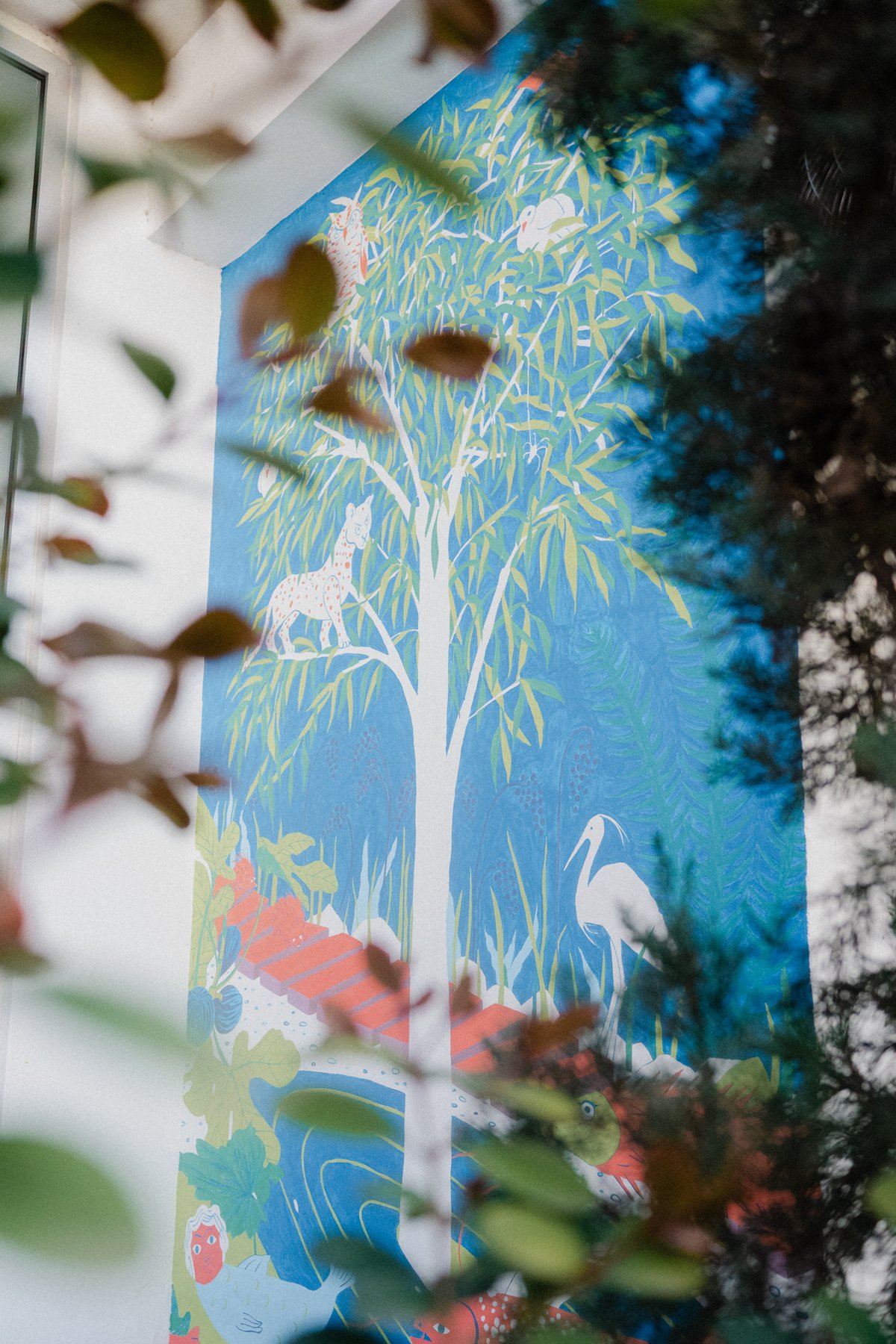
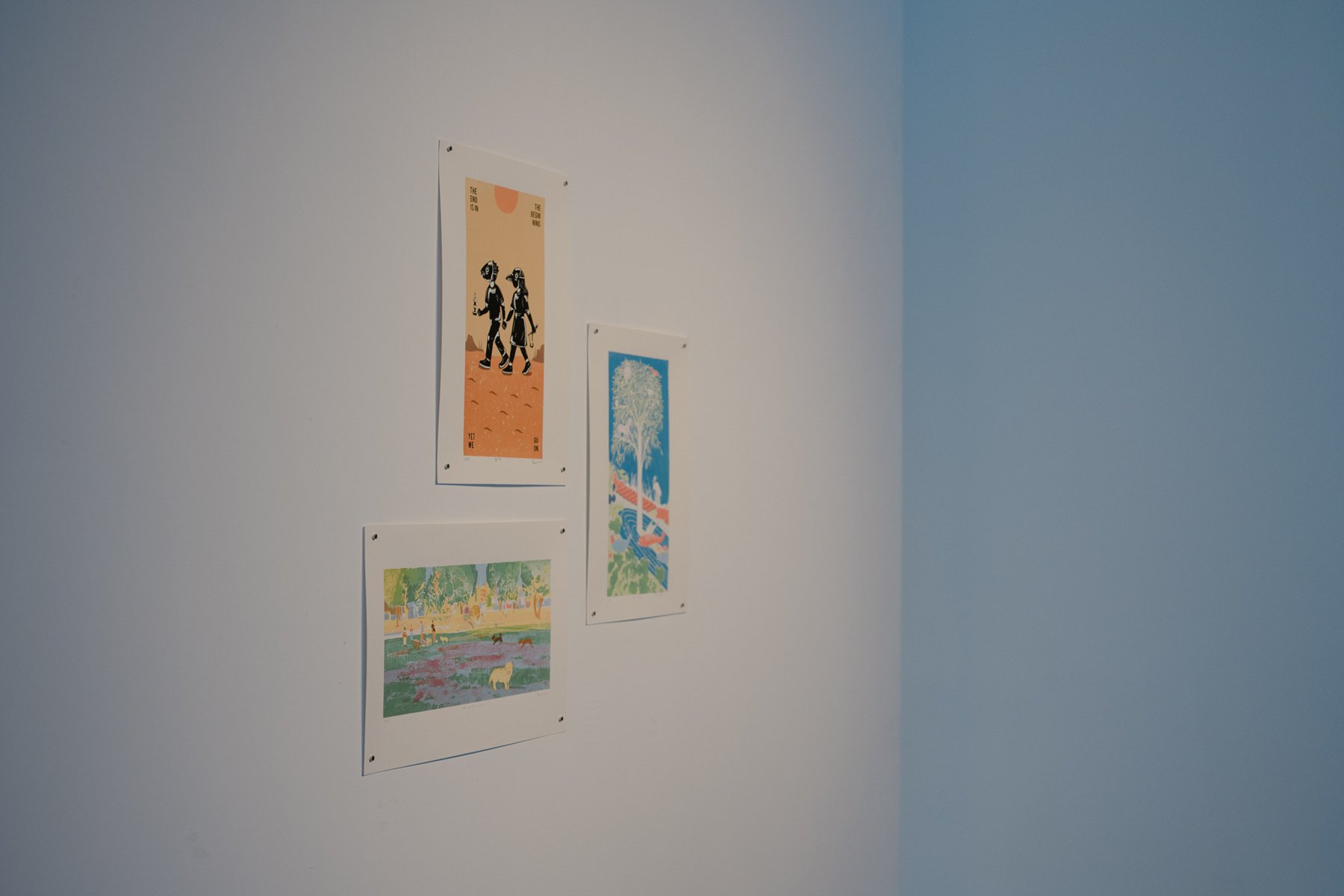
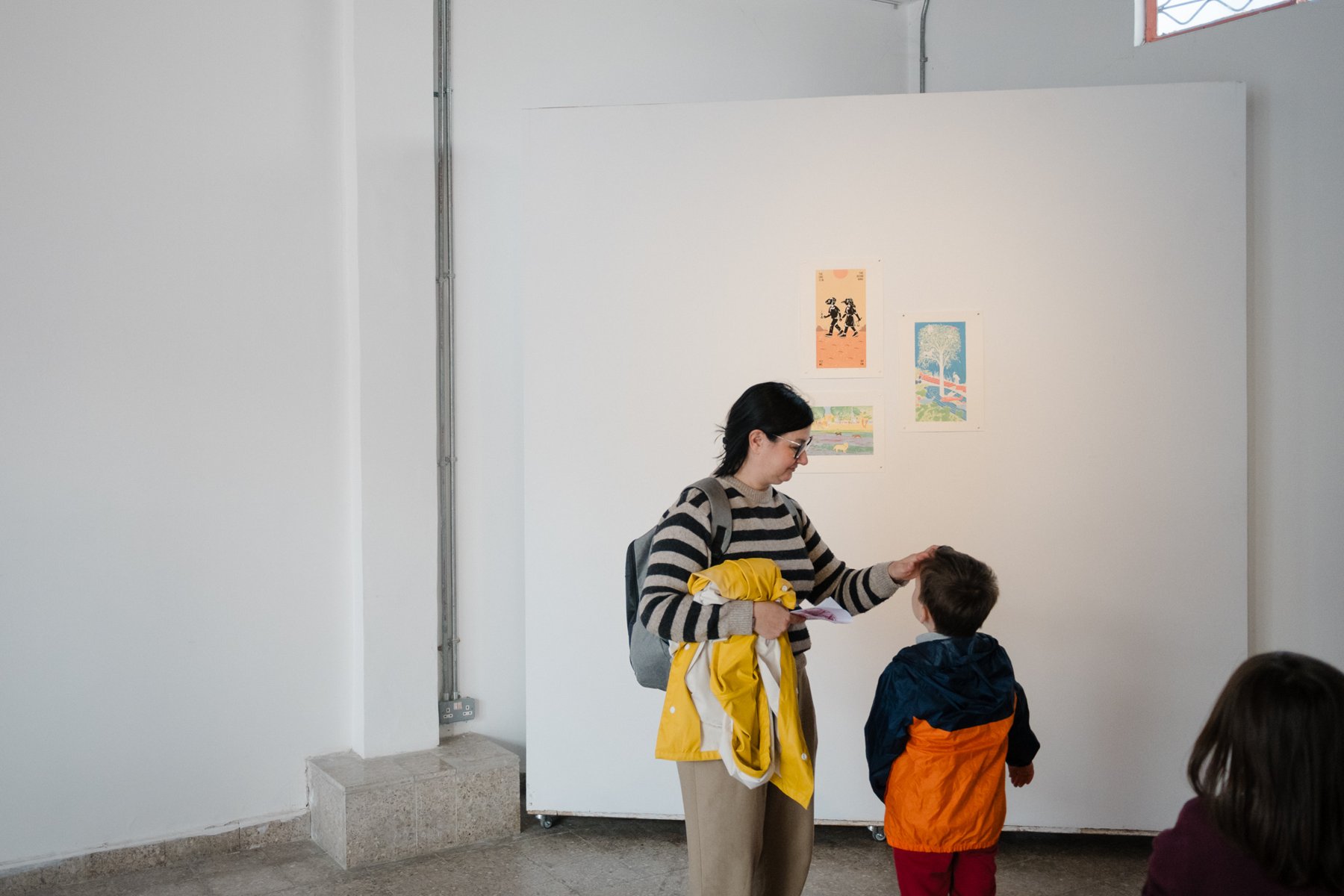
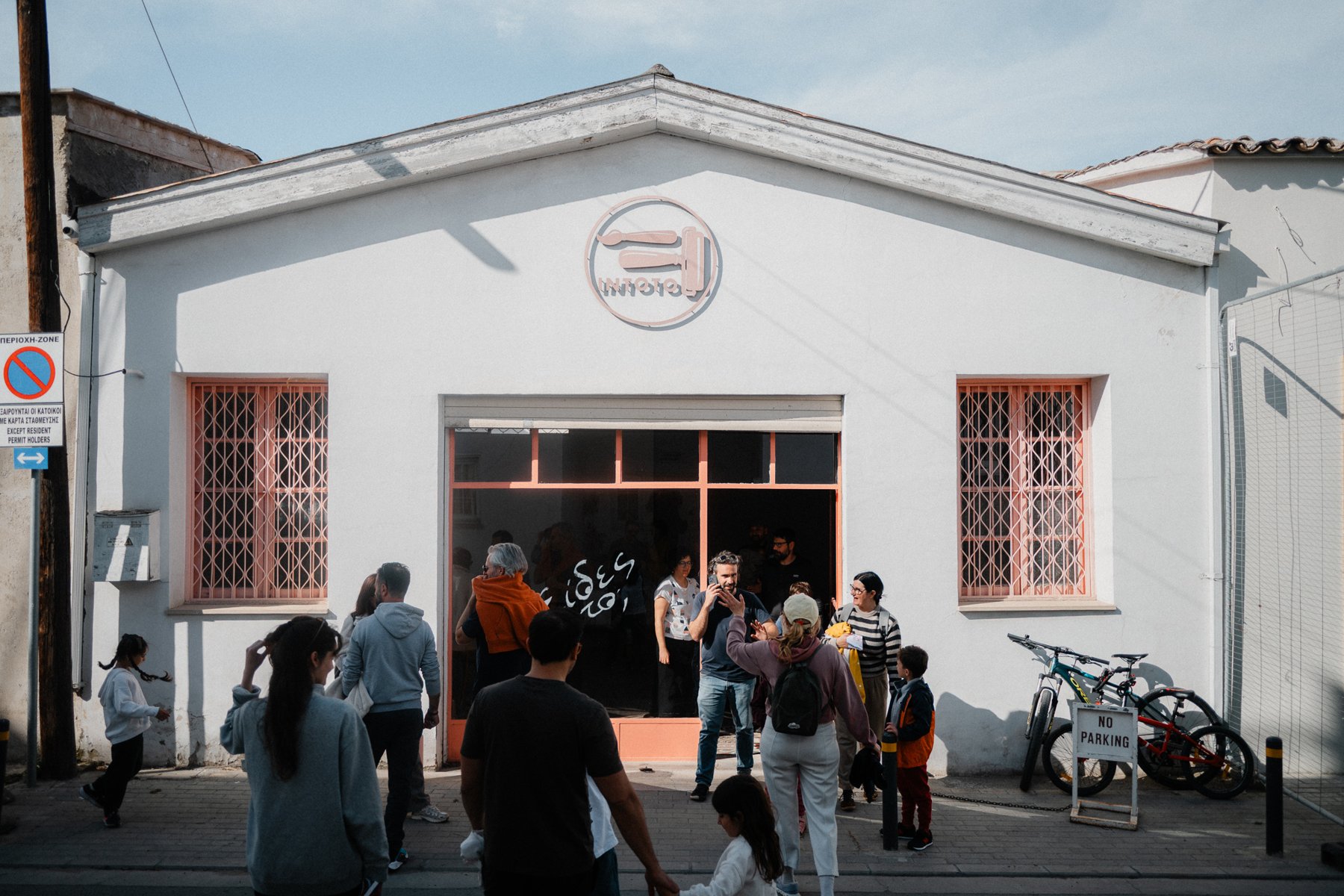
On 29 March 2026, Art Around Town opened in Agioi Omologites with a walk, a talk, an exhibition and a community BBQ. Organised by OPU and IN TOTO with ABR, the day presented the neighbourhood's new murals by Simone Philippou, Milenko Stevanović and Twenty Three, with limited-edition screenprints and a mini documentary on show at IN TOTO until 4 April.
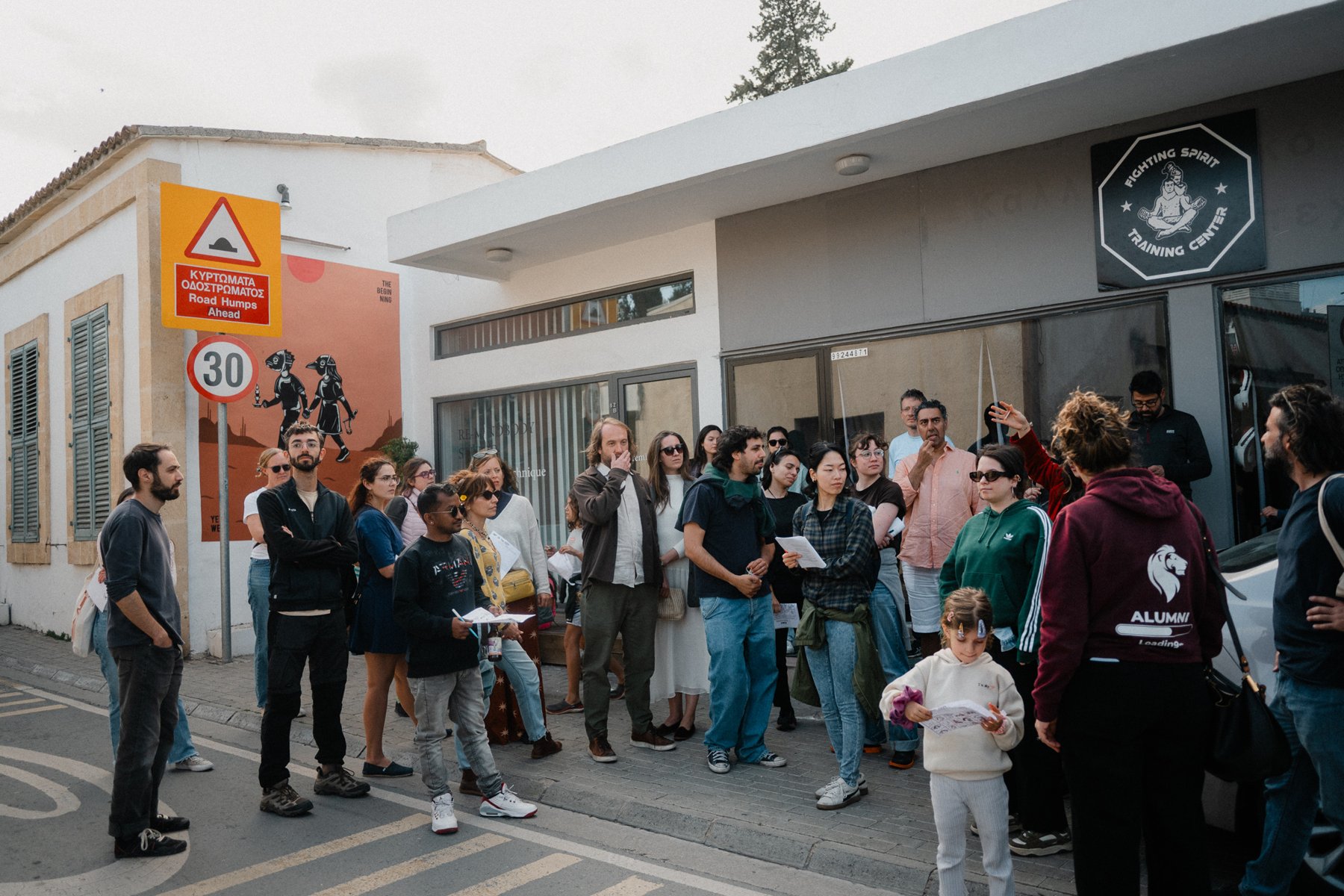
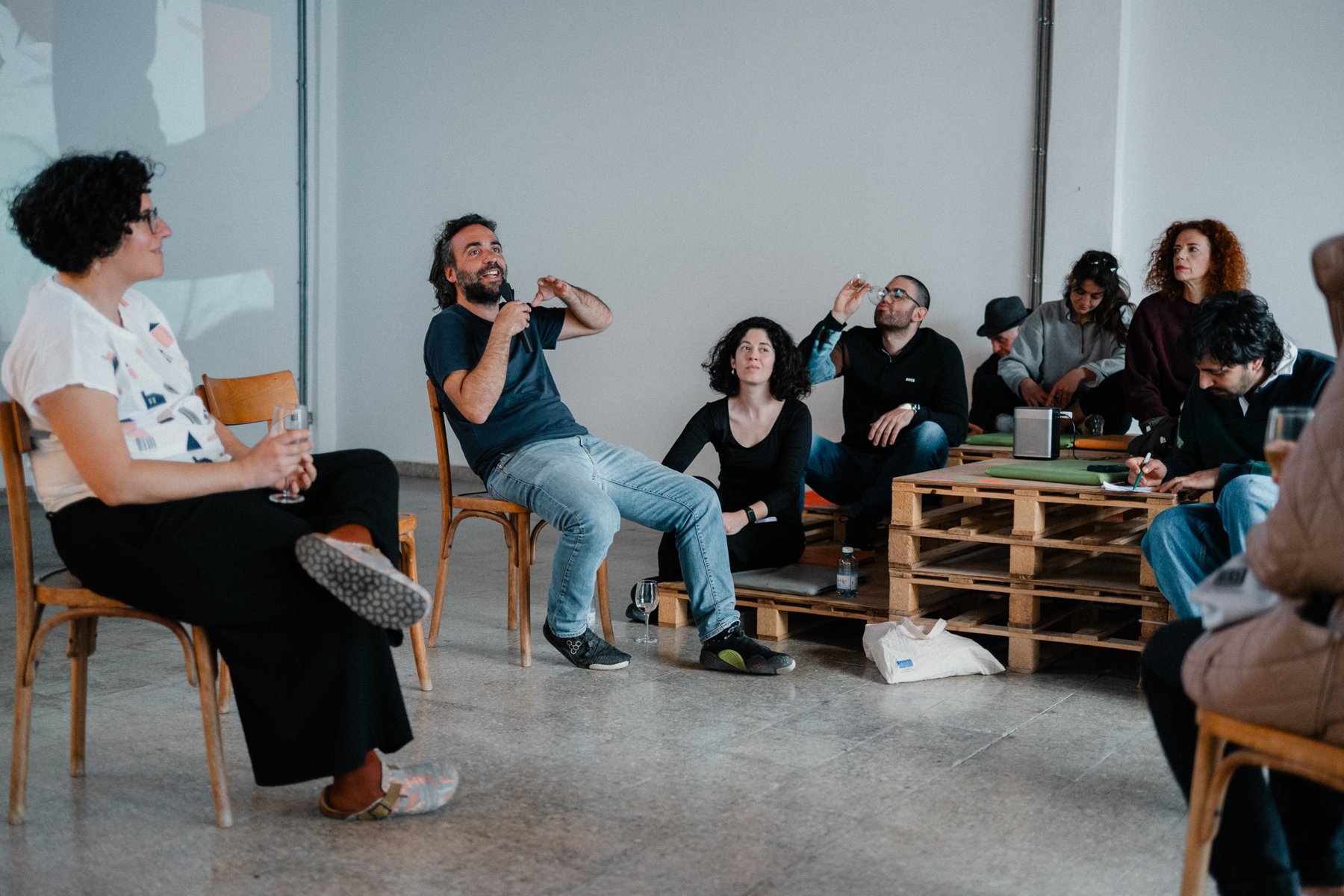
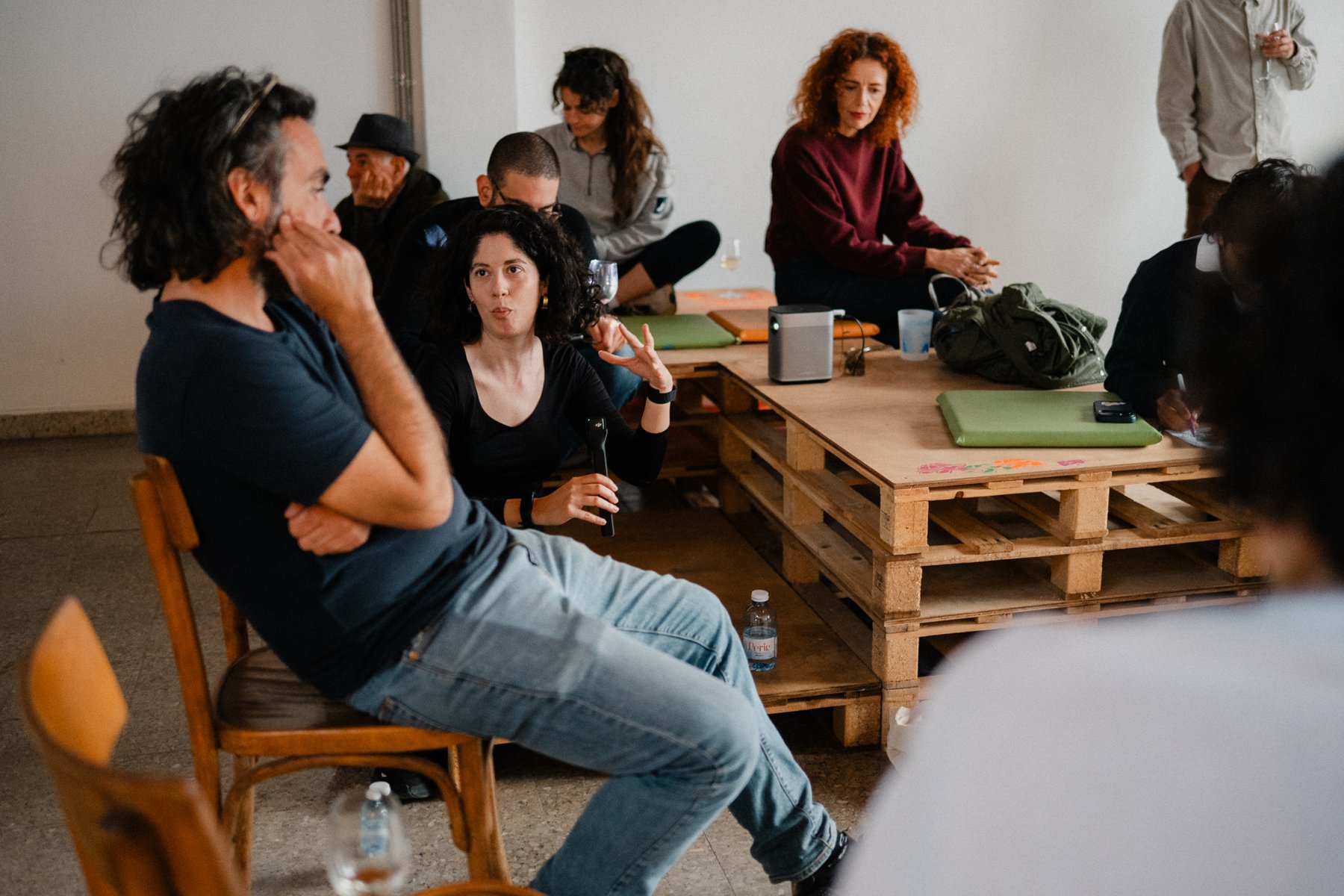
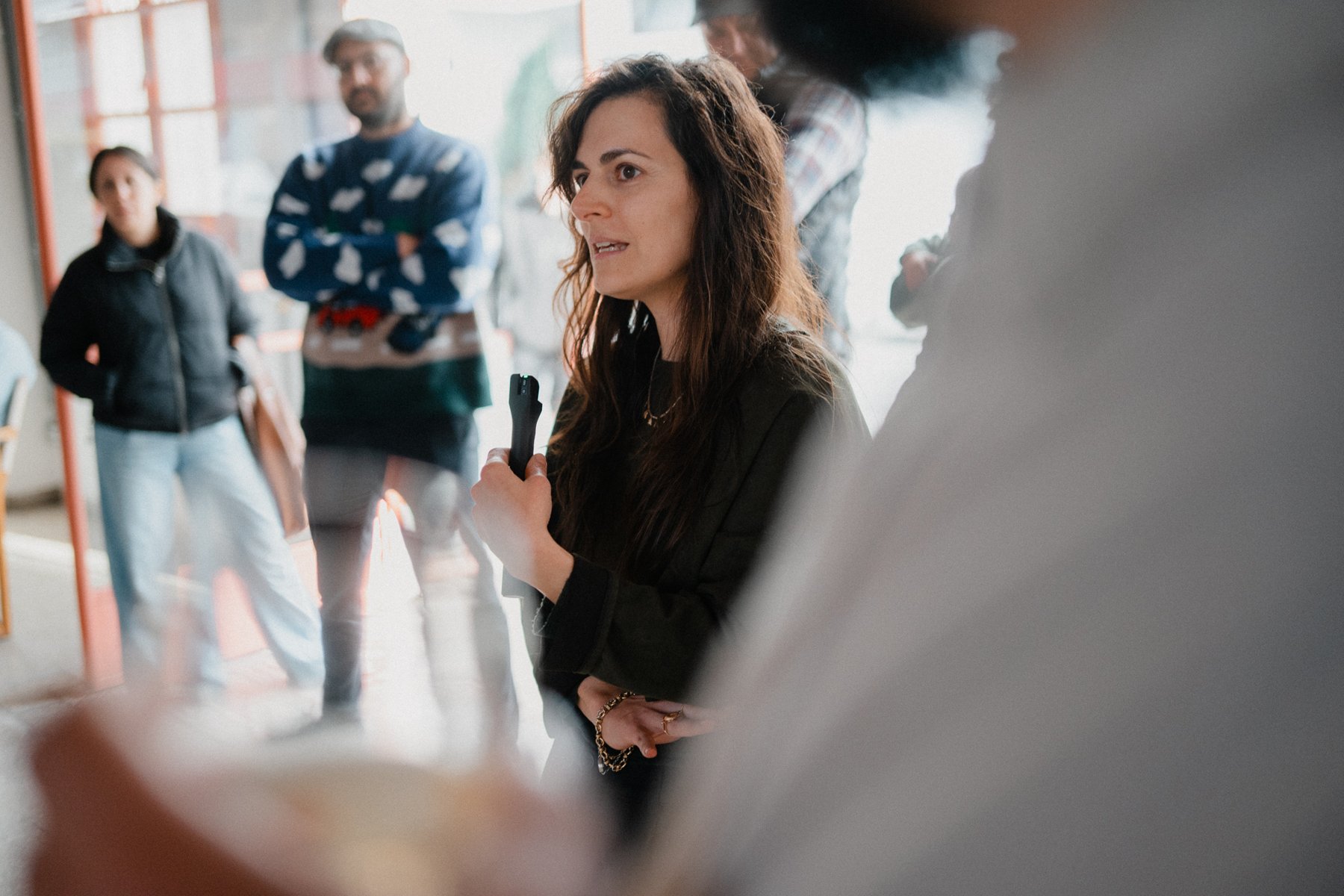
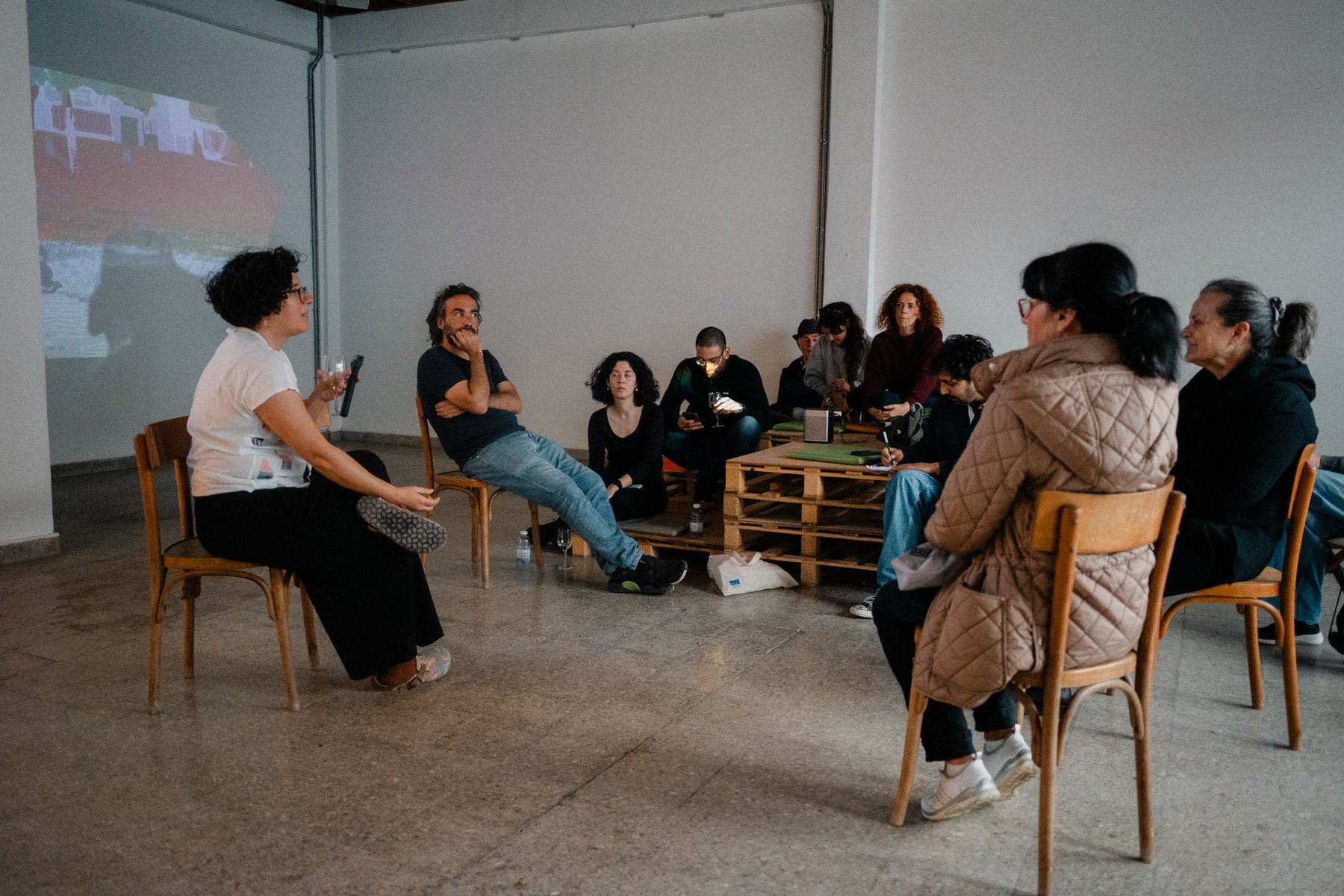
The day began with a BBQ at OPU House and a Kids' CurioCity walk from Agioi Omologites Church. It ended at IN TOTO with an open conversation about what street art can actually change in a neighbourhood, and what should come next.
Why murals?
The murals started during Laou Laou. The idea was simple: bring some colour into the neighbourhood, make it more interesting, and give people a reason to go out, walk around and discover things. The change was meant to be visible, and to keep going through the year with more actions.
As one participant put it: “Having art in the streets shows that there are people in the community who care about their neighbourhood.”
It meets you where you are
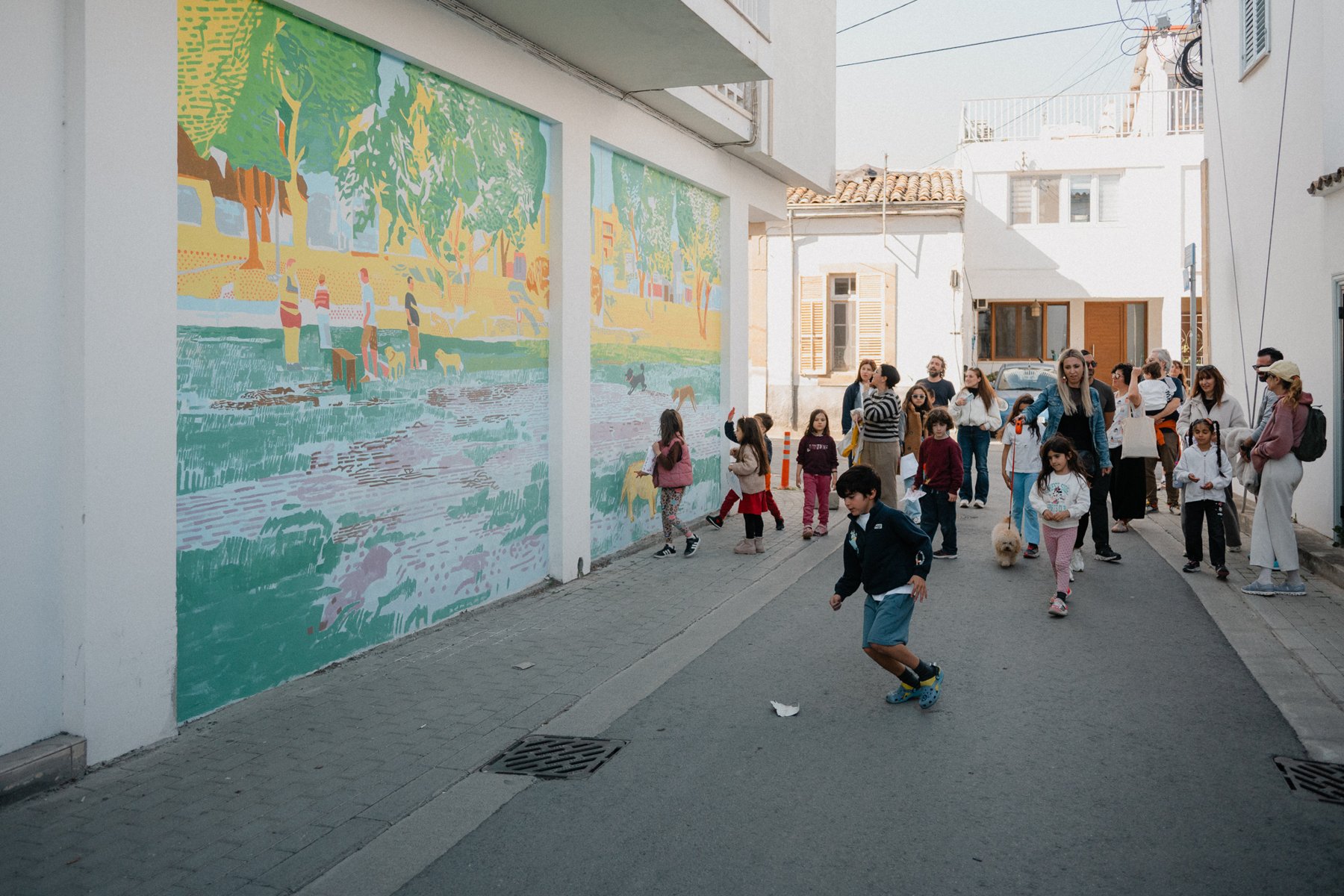
Agioi Omologites is one of the old neighbourhoods of Nicosia. People remembered streets full of life: neighbours talking, children playing outside. The way the city developed took much of that away.
The hope in the room was that the murals bring back a little of that feeling. You don't need to go to a gallery with the mindset of seeing art. The mural is already there, part of your day.
THE MURAL IS JUST THERE. IT MEETS YOU WHERE YOU ARE
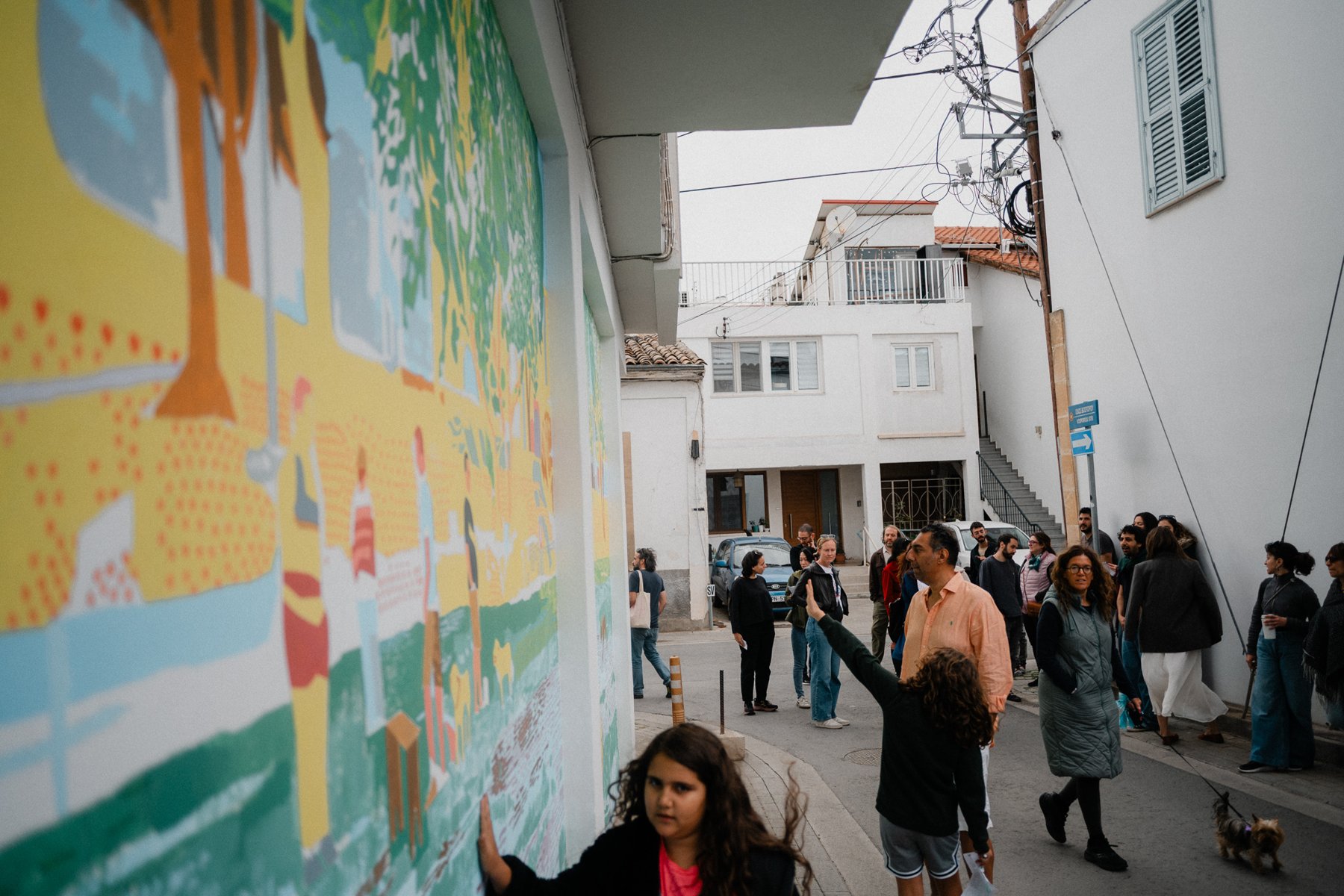
What the children saw
That afternoon, kids from the neighbourhood joined the walk. They liked the murals, but they also pointed at the tags near the park: “Miss, miss, we liked this one!” Asked why, they said it was fun.
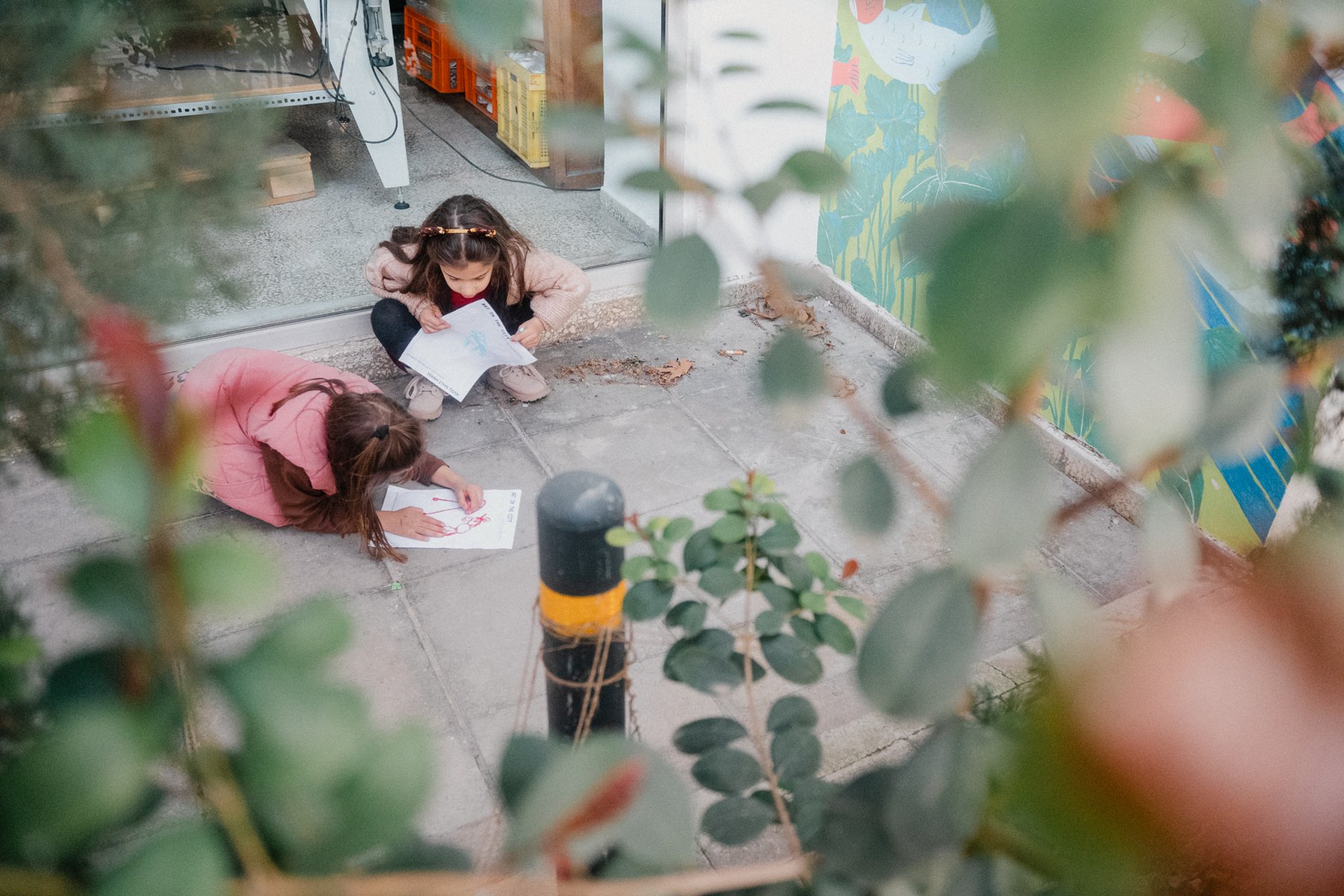
The conversation heard it as a wish: “I want to paint outside, on the wall, too.” One school had already brought in a young artist to show a few girls how to make stencils and work with spray paint during school hours. They loved it.
Ideas from the table
The group moved quickly from why to how. Ideas included:
— A register where residents offer their wall, with its address and size, like the system Rome used in 2015, so artists can apply with a draft.
— A free wall that gets painted white every month or two, open to everyone, or a graffiti lab where people can practise.
— Neighbourhood crowdfunding, so artists are paid to make a proper mock-up, even when they are not chosen.
— A small pilot first, so people can see whether it works.
There was also a warning. Street art is often treated as free art, and the paperwork for funding falls on the artists. European funds are demanding, but they give a project a frame: a structure, a timeline and actions.
How to get involved
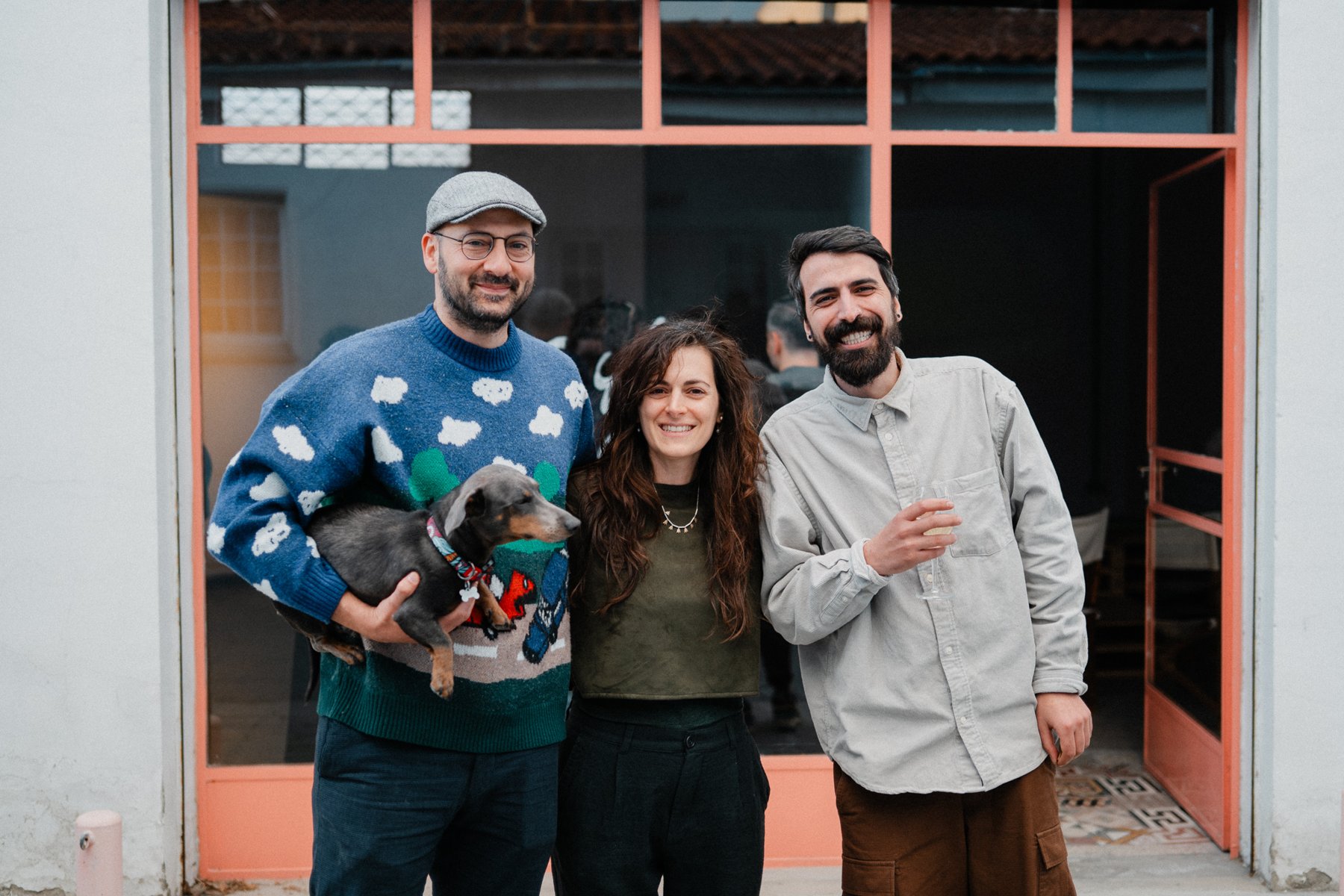
“Come, find us, talk to us, tell us your ideas, give us your time, pick up a print, and above all, join the walks.”
To take part, get in touch with OPU or ABR. For the limited-edition screenprints, contact OPU or IN TOTO to ask about availability.
Photos: Michael Demetriades
TY-CO (communities in conversation) · ABR – Alternative Brains Rule · Co-funded by the European Union
Funded by the European Union. Views and opinions expressed are however, those of the author(s) only and do not necessarily reflect those of the European Union or the European Education and Culture Executive Agency (EACEA). Neither the European Union nor EACEA can be held responsible for them.