09 / 10 / 2026
Who's Cooking Next Tuesday?
A breakfast table in 1969 Oakland, a people’s kitchen in Lima and a blender that broke in August…
Think of the last time you ate with someone you didn’t already know. Not a work lunch. Not a wedding where you were seated next to a cousin’s colleague. A table where you sat down, someone passed you a plate, and twenty minutes later a stranger was explaining their grandmother’s tahini.
If you had to think for a while, you’re not alone. We have more ways than ever to “connect”, and fewer places to simply sit next to each other. Cafés and bars are full, but most of us arrive with our own people and leave with them. So where, exactly, do you meet the rest of your neighbourhood?
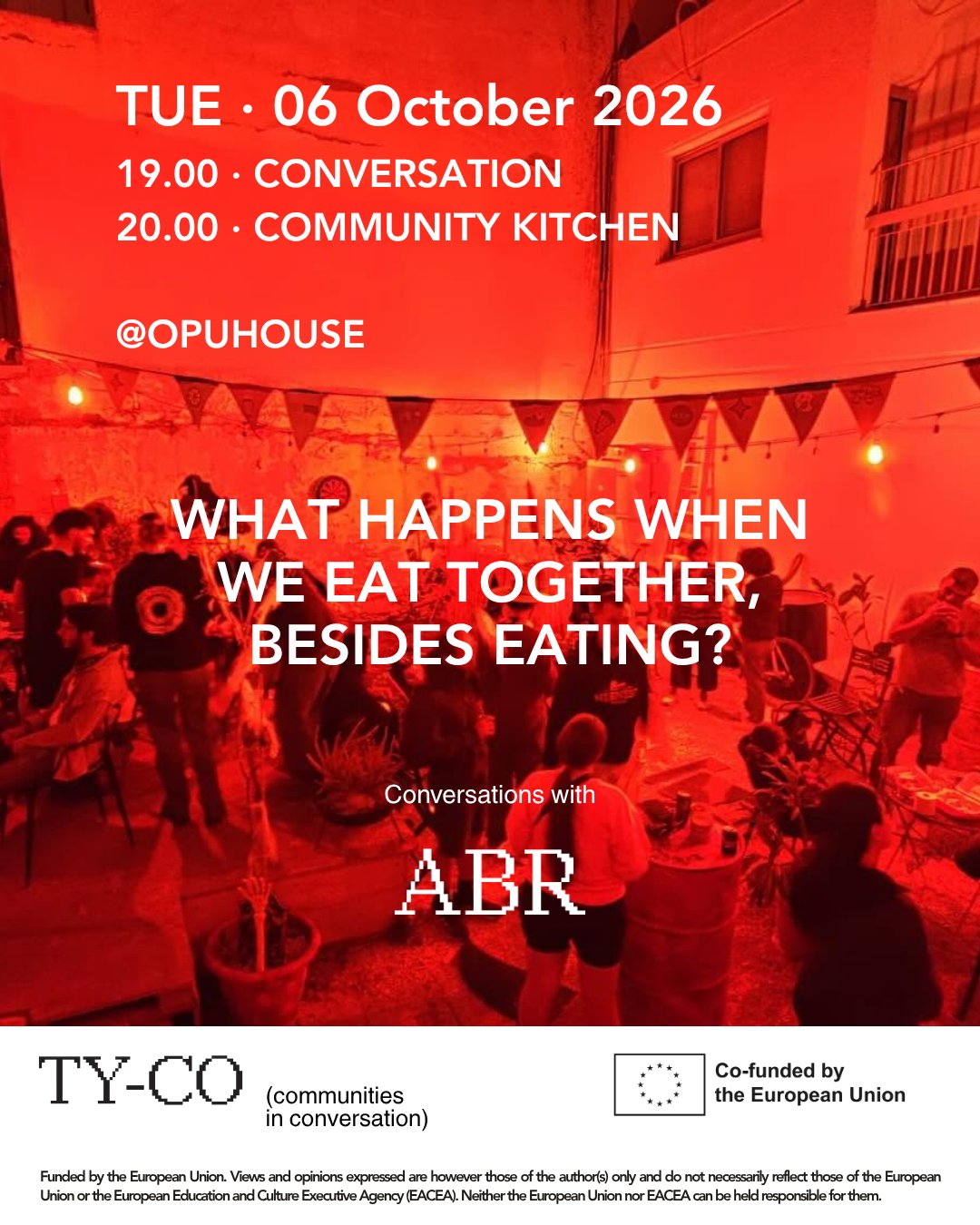
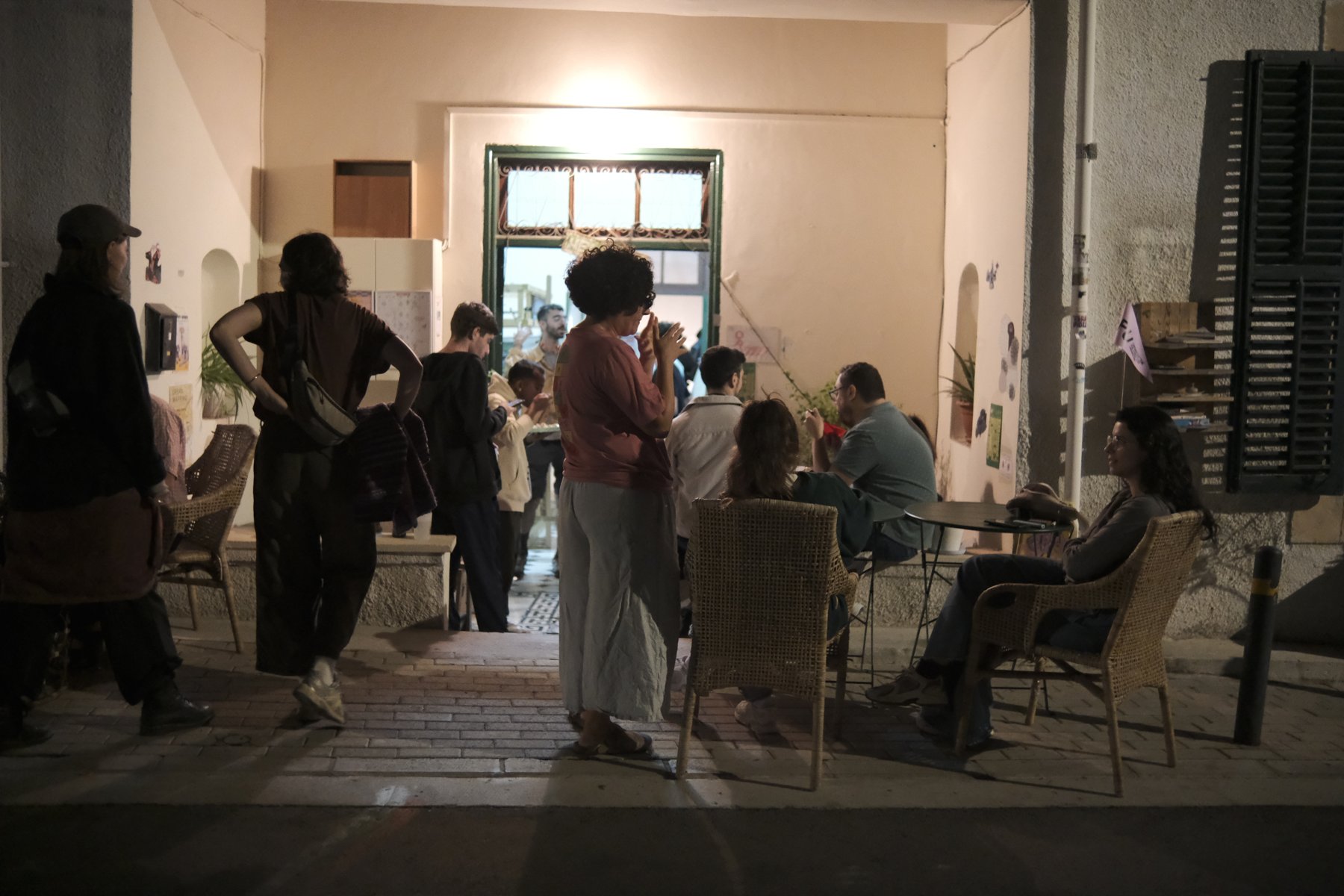
At OPU House in Nicosia, the answer is simple: on Tuesdays, at dinner. So one evening in October, before we cooked, we sat down in a circle to ask why it works.
A very old idea
Cooking for whoever turns up is not a new invention. In the late 1970s, in the poorer neighbourhoods of Lima, women started pooling their shopping and cooking together in one kitchen for the whole street. They called them comedores populares, people’s kitchens, and over the following years they spread into the thousands, run by neighbours, for neighbours.
In 1969, in Oakland, California, the Black Panther Party started serving free breakfast to children before school. It began as one table. Within a year it was feeding children in cities across the United States. Feeding people has always been a way of saying: you belong here.
In 1989 the sociologist Ray Oldenburg gave a name to the places between home and work where people meet as equals: the third place. The café, the barbershop, the corner bar. Thirty-five years later, many of those places still exist. They just ask you to buy something before you sit down.
In Cyprus we know the other version well. The village feast where everyone brings a dish. The wedding where half the village helps with the cooking. The kitchen where three generations cook for forty people and nobody remembers who was invited. We like to think of ourselves as people who eat together. The question is how often we still do it with people we don’t already know.
“That’s a terrible idea”
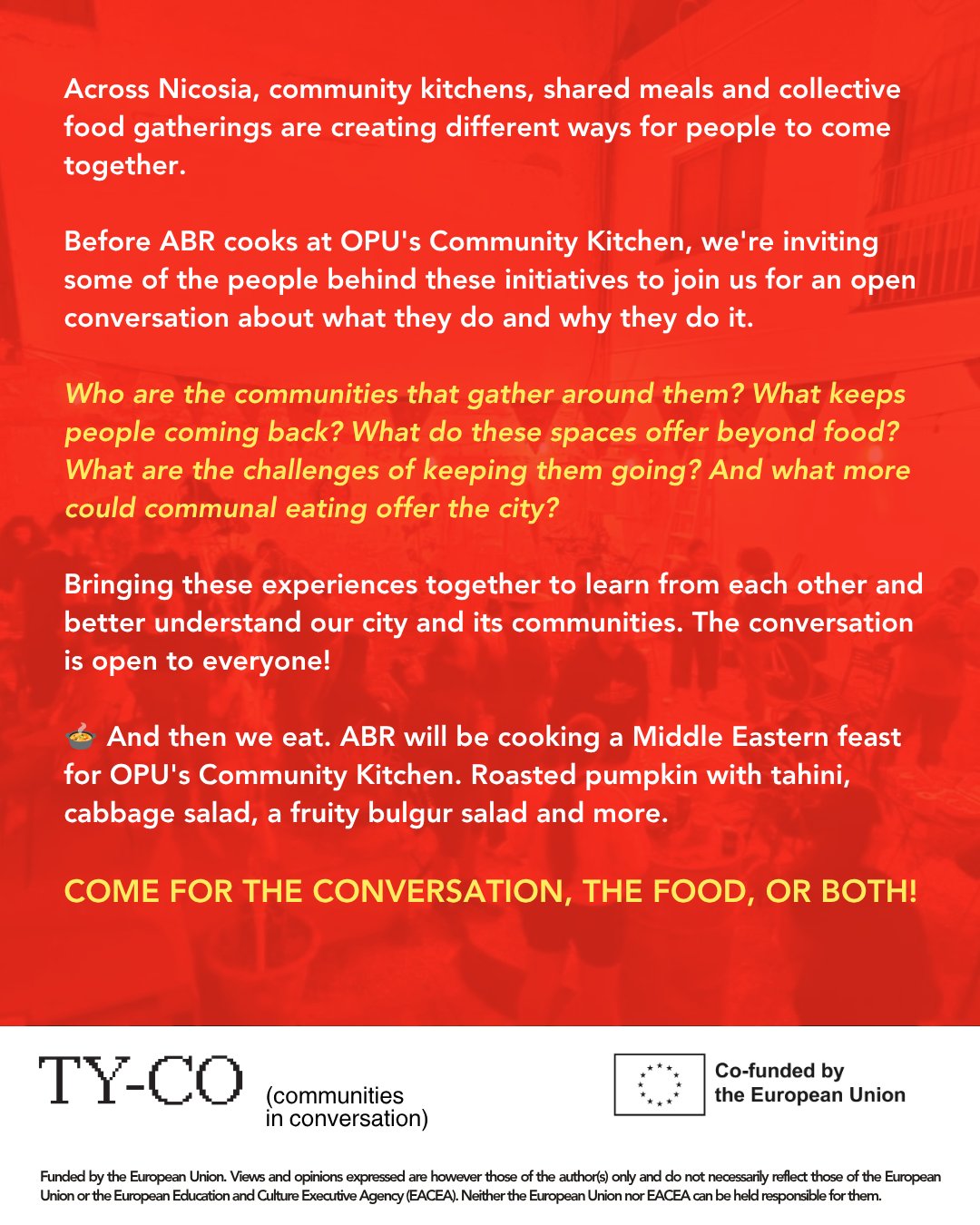
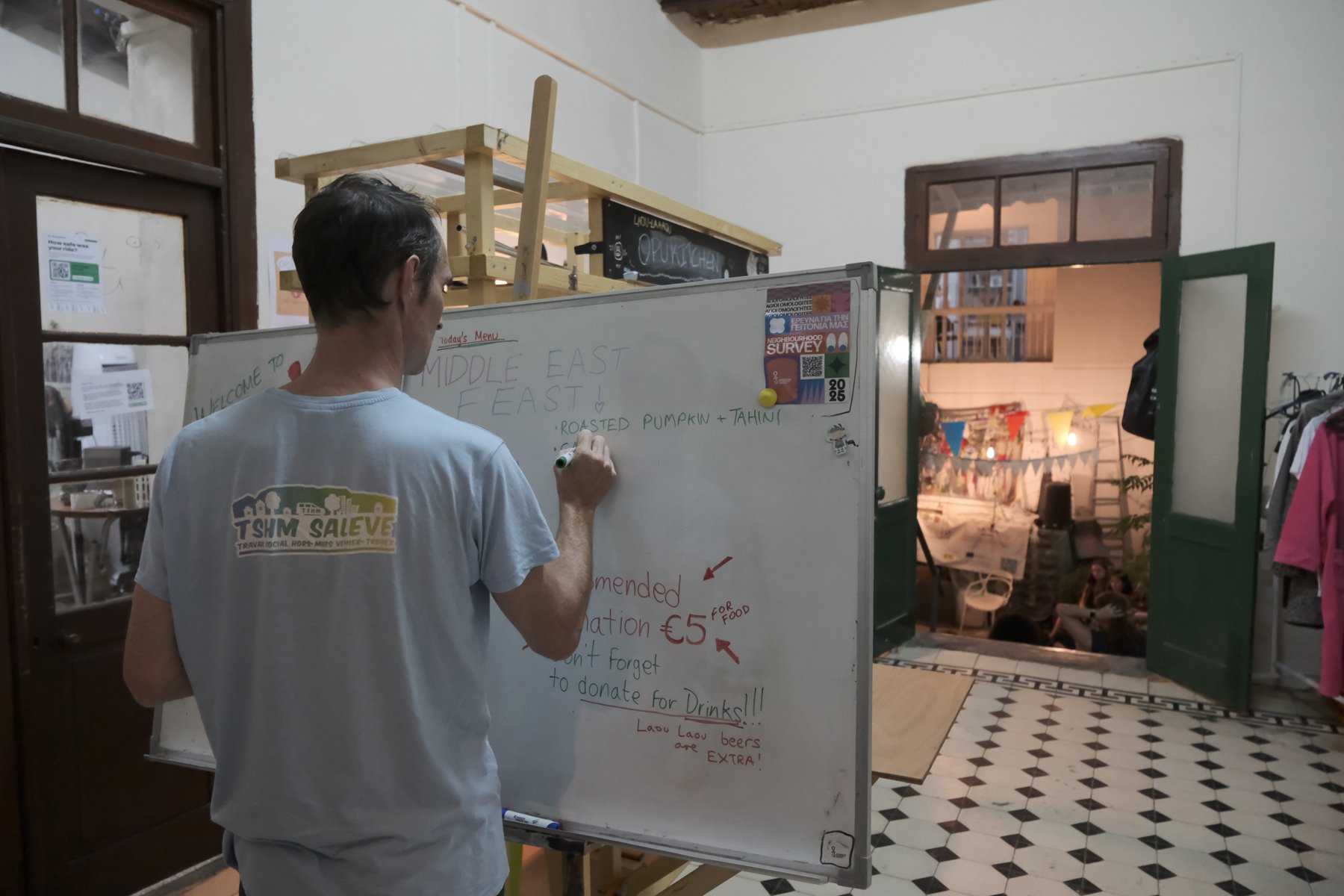
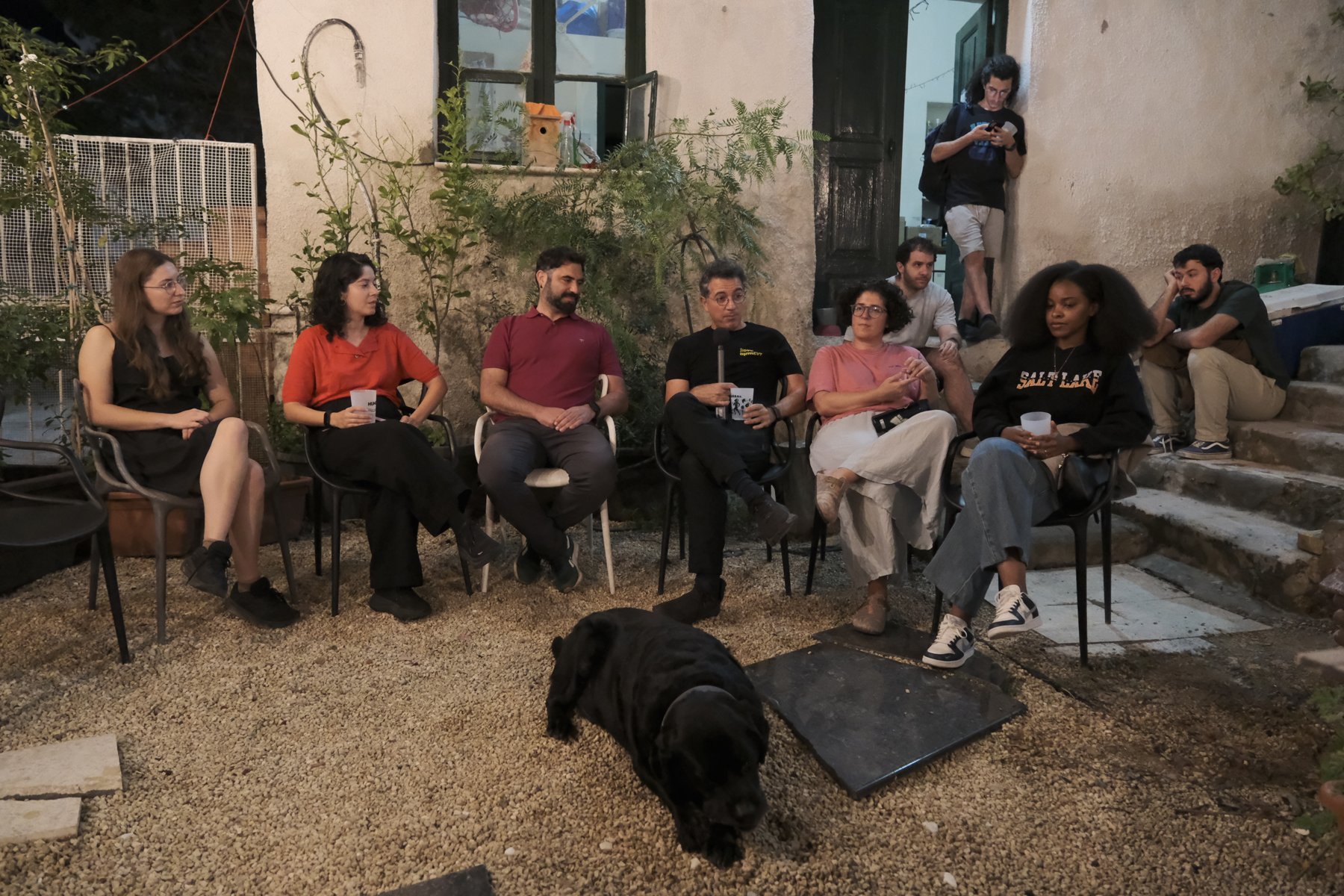
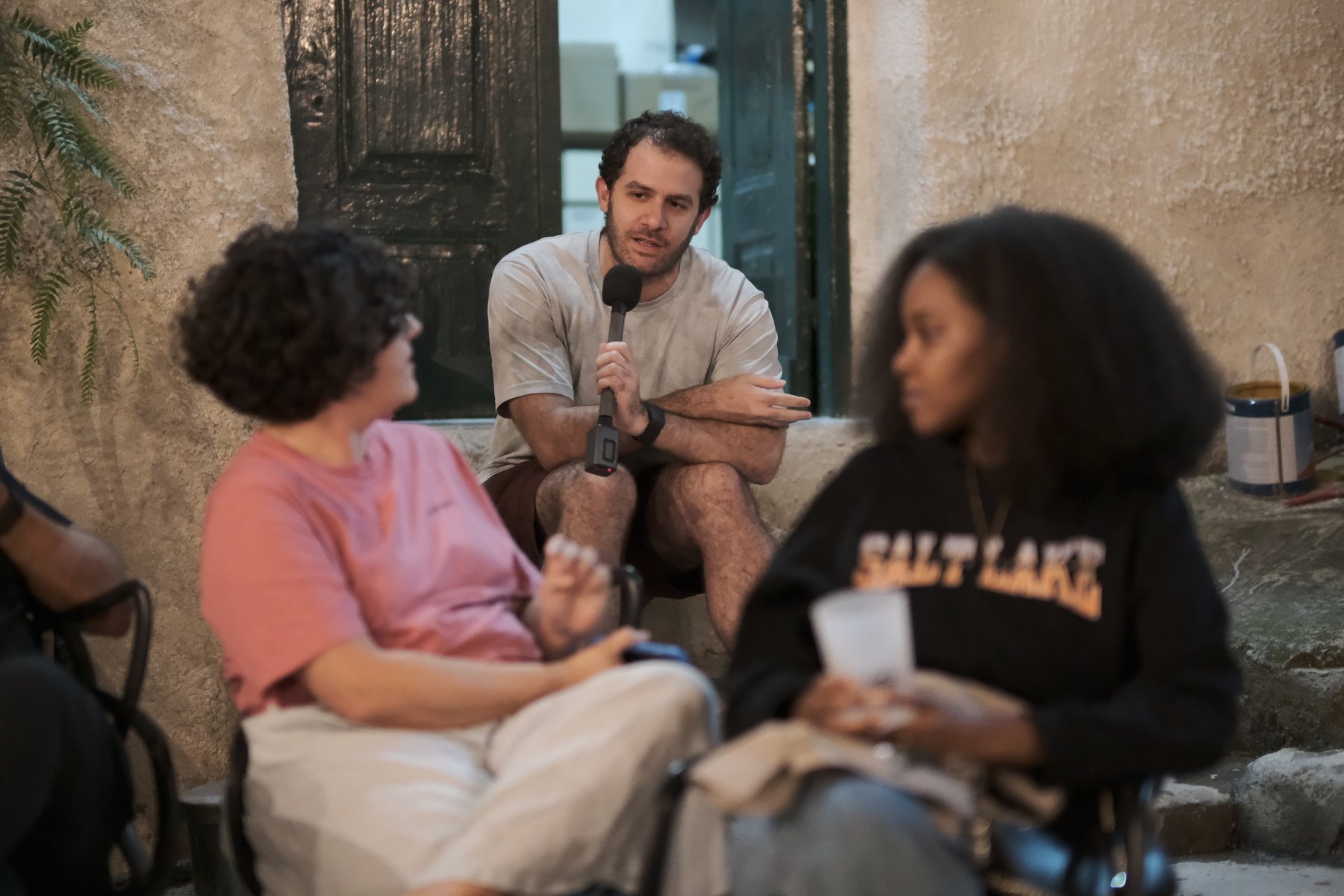
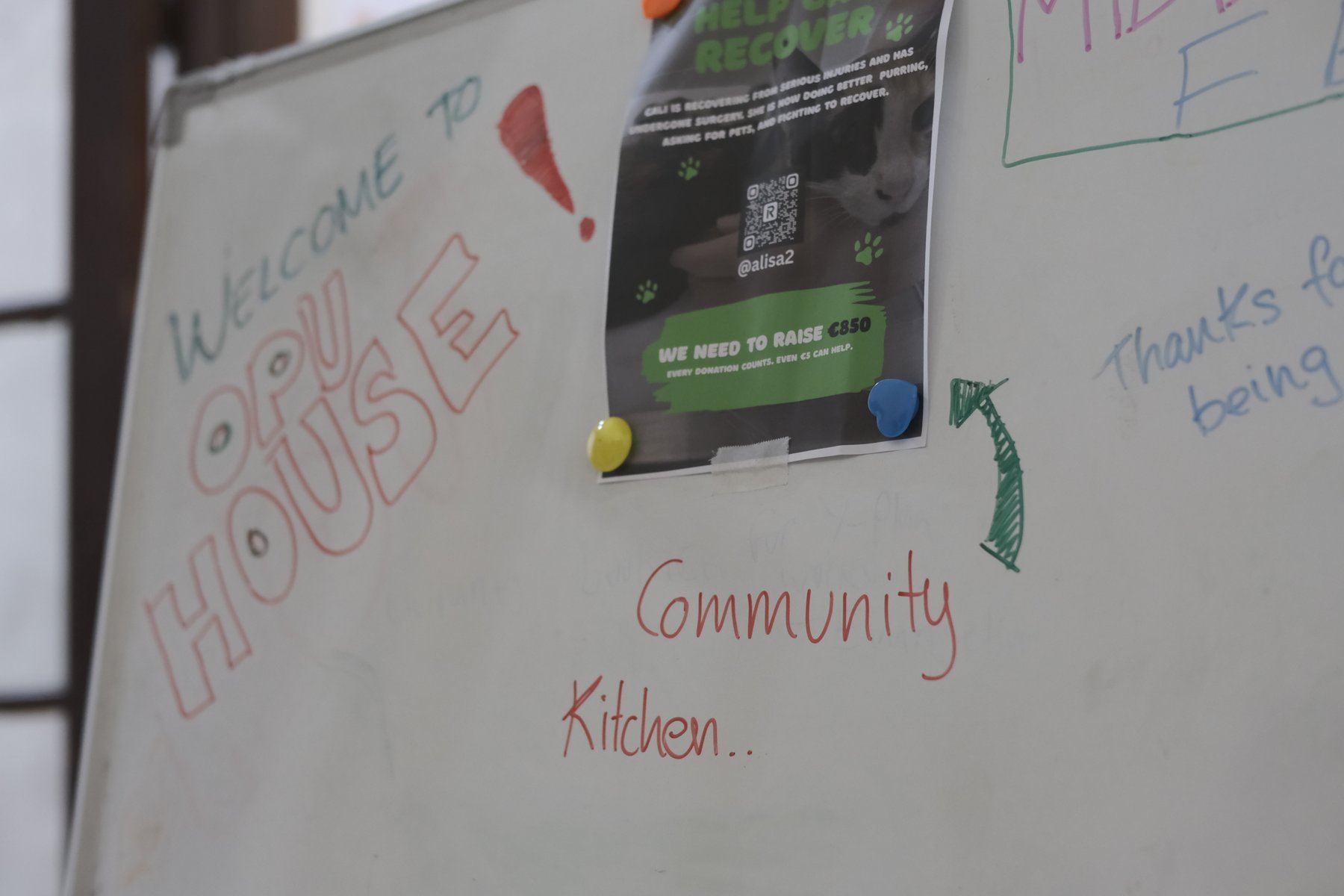
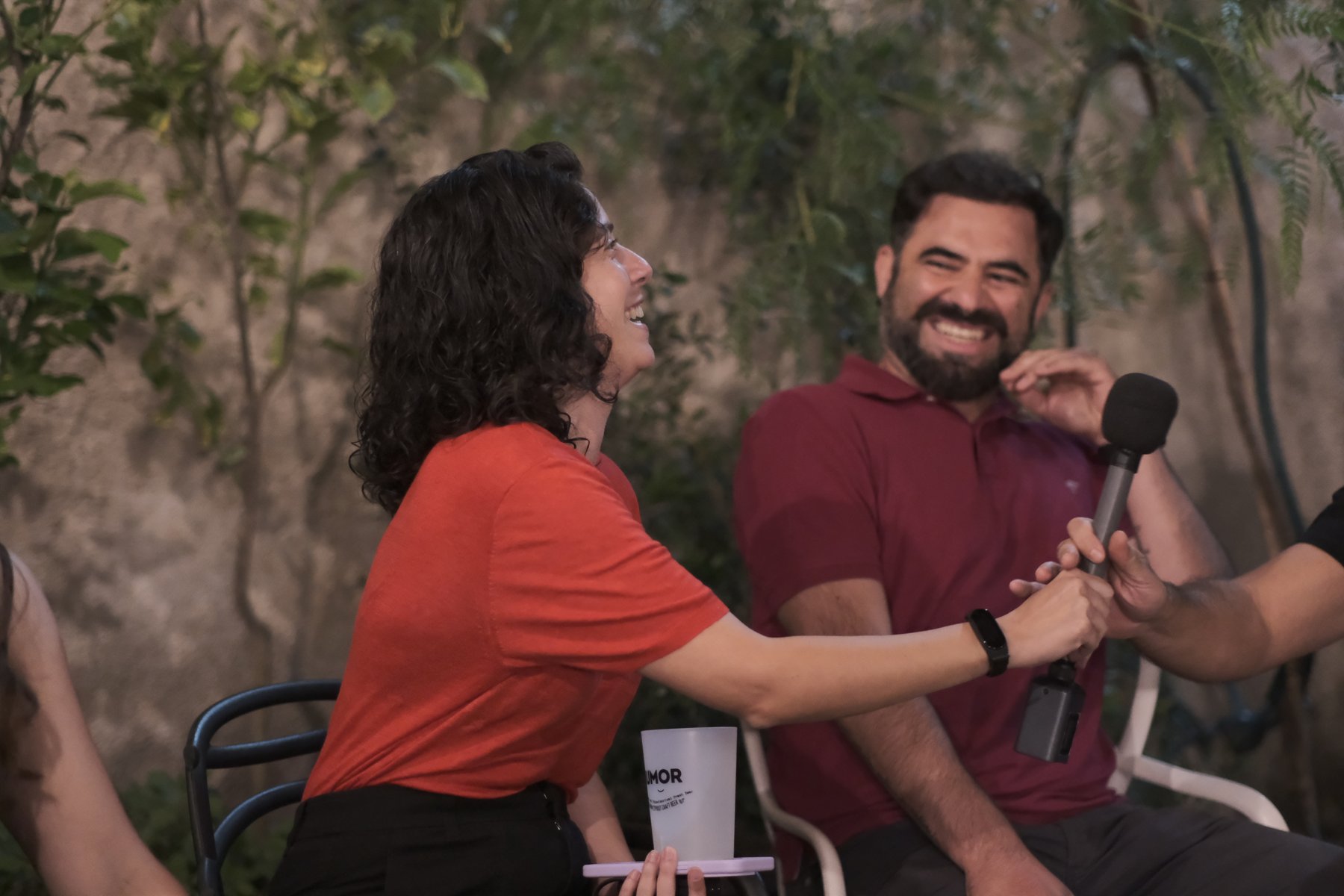
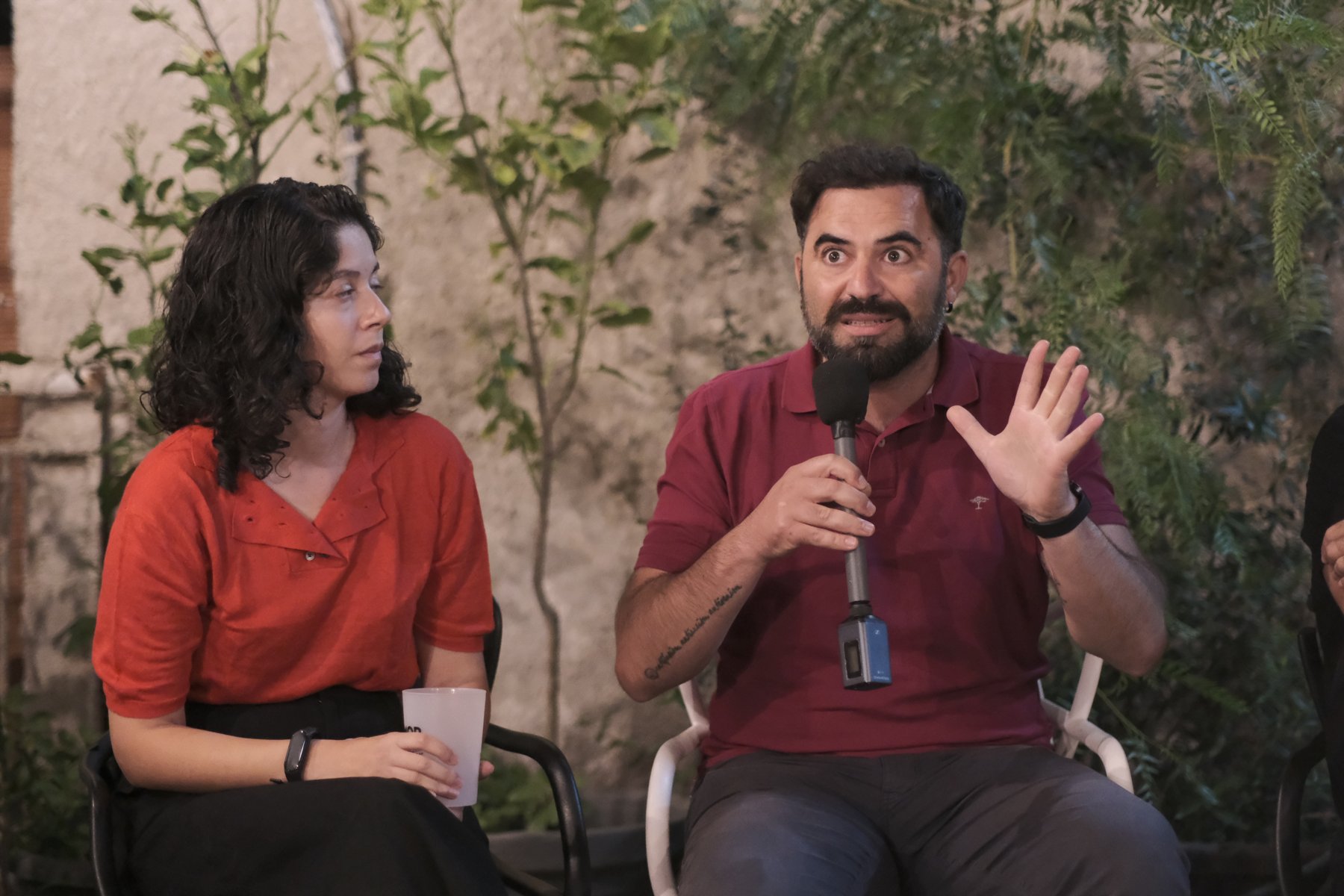
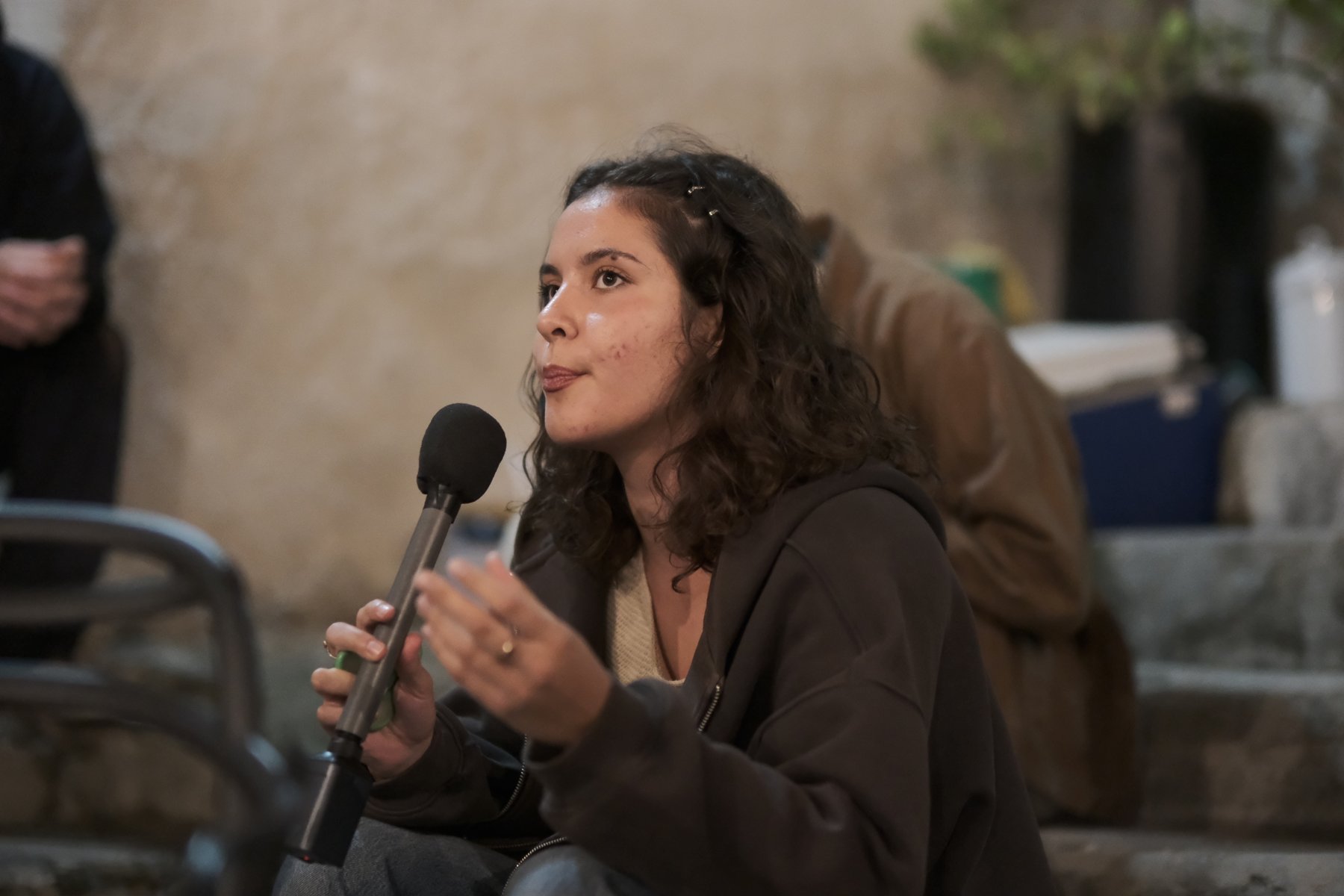
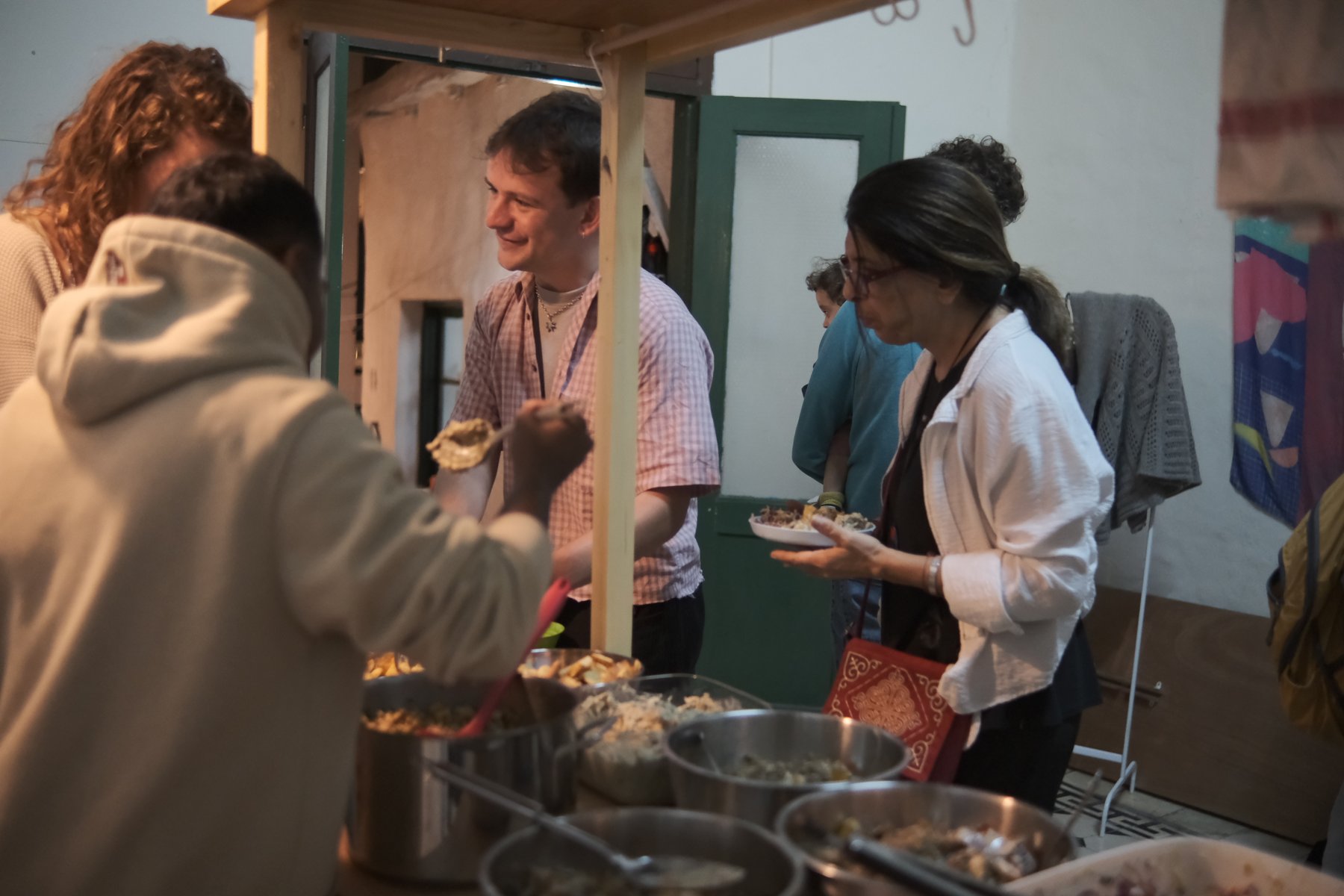
On Tuesday 6 October 2026, the courtyard of OPU House filled up with a circle of chairs, people on the stone steps, and people who had come for dinner and arrived early for the conversation. Volunteers who cook. Regulars who eat. People visiting from the UK, from France and from Vienna. OPU, who host the kitchen. And us, from ABR, who were cooking that night: a Middle East feast, roasted pumpkin with tahini, a recommended donation of €5 for food.
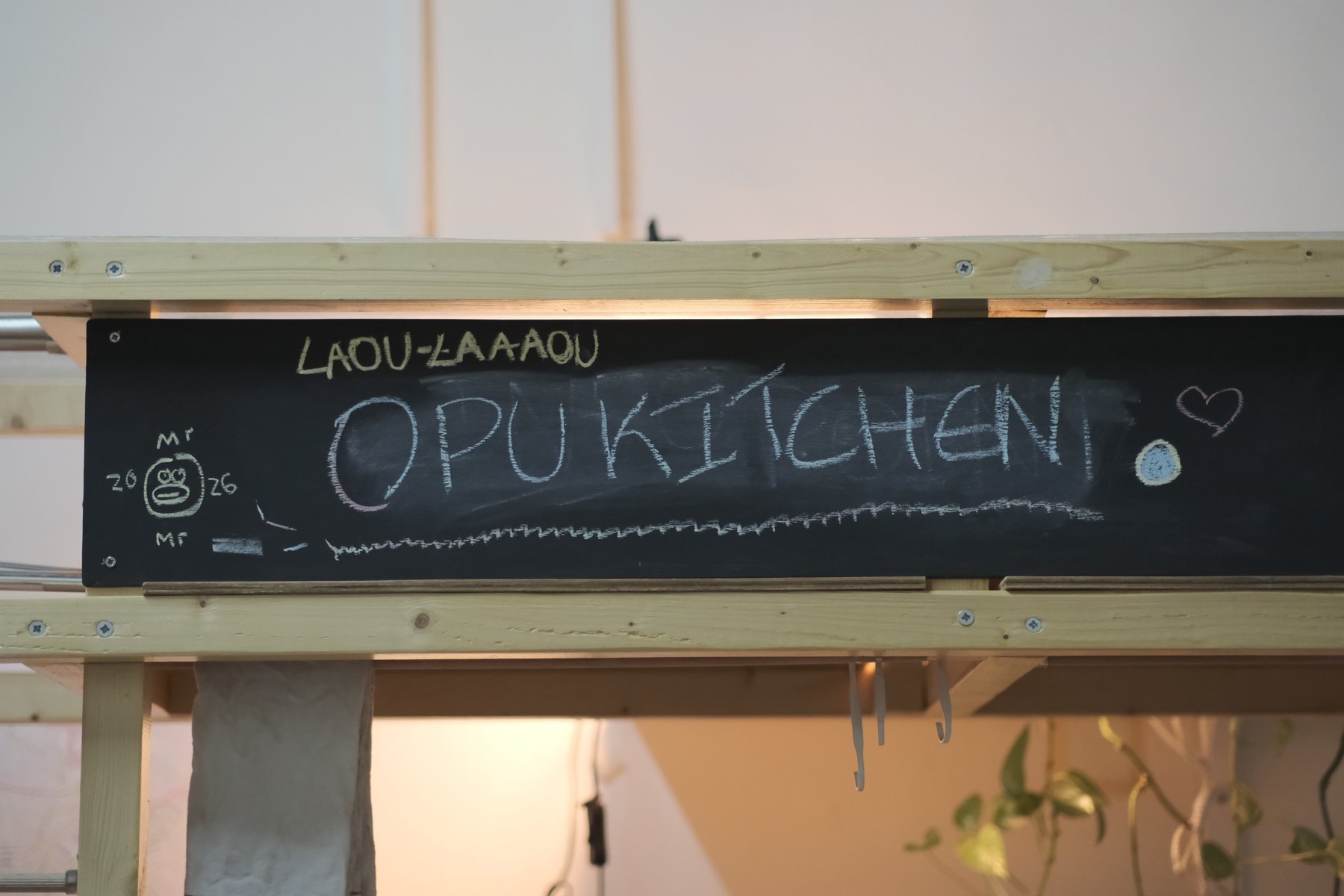
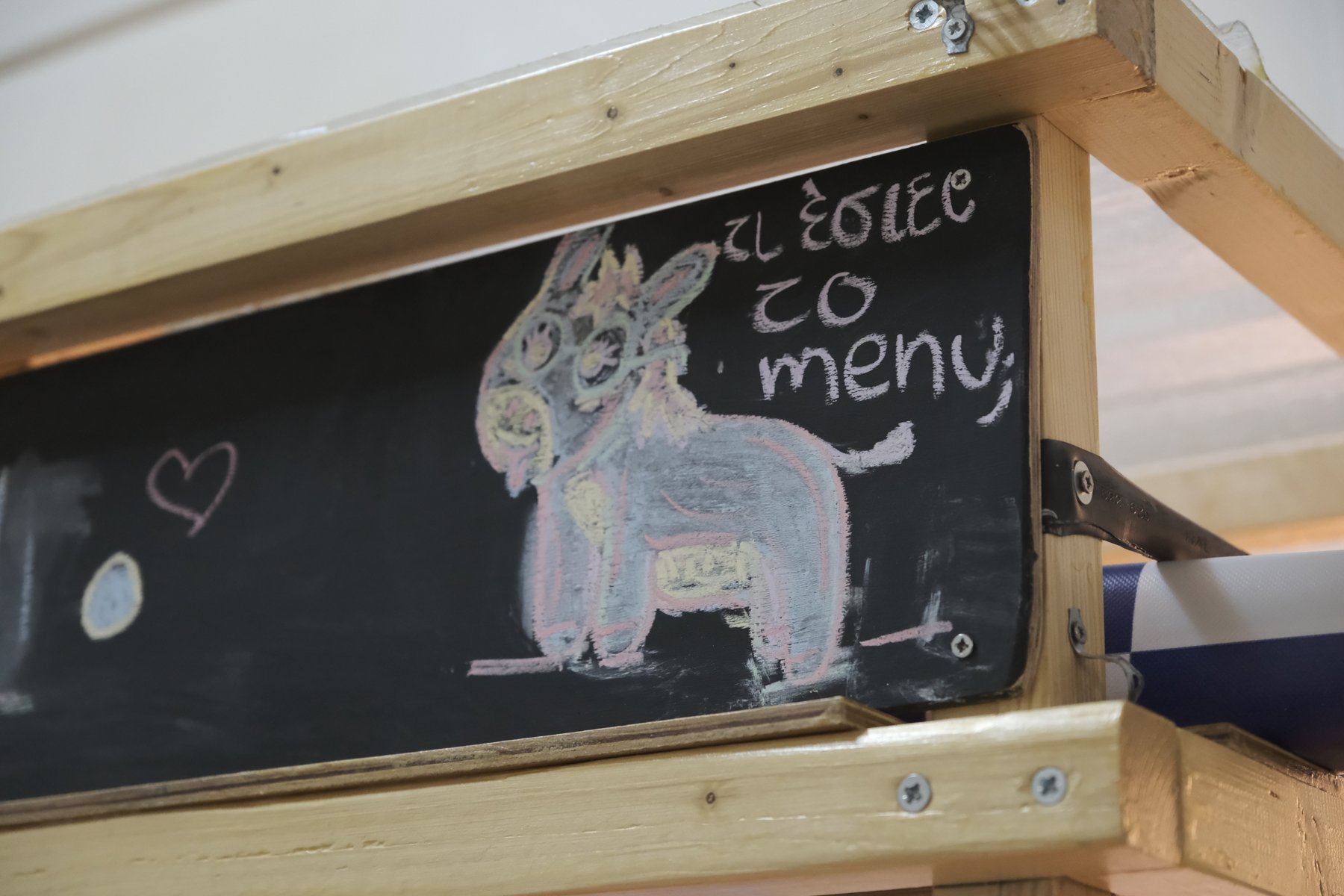
The OPU Community Kitchen didn’t start with a plan. It started with a barbecue. “We happen to have a barbecue,” someone from OPU explained, “and because we wanted to meet more people and bring people together.” Every now and then, on a Saturday, whoever wanted could come along.
Then someone suggested doing it every week. The answer was immediate: “We all said no, that’s a terrible idea, because then there’s more things for us to do.” So he took it on himself. “It’s okay, I’ll take over. We’ll put it on the WhatsApp and we’ll see who wants to help.”
People wanted to help. “Miraculously, since then it’s been running pretty much every week, non-stop.”
A poll, a pot and a pack of gluten-free pasta
The system is refreshingly simple. At the end of every month, a poll goes out on the kitchen’s WhatsApp group with next month’s Tuesdays. You pick one and say: I’ll take it over. The group has around eighty members, most of them people who want to cook.
Over time, the kitchen learned. Less food waste. Better guesses at how many people will turn up. “It sort of turned vegan-ish.” And there is always a pack of gluten-free pasta in the cupboard, “in case someone turns up and we’re not ready for it.”
None of this sounds radical. That’s the point. Inclusion here isn’t a statement on the wall. It’s a pack of pasta on a shelf.
INCLUSION HERE ISN’T A STATEMENT ON THE WALL. IT’S A PACK OF PASTA ON A SHELF
Ninety people, one blender
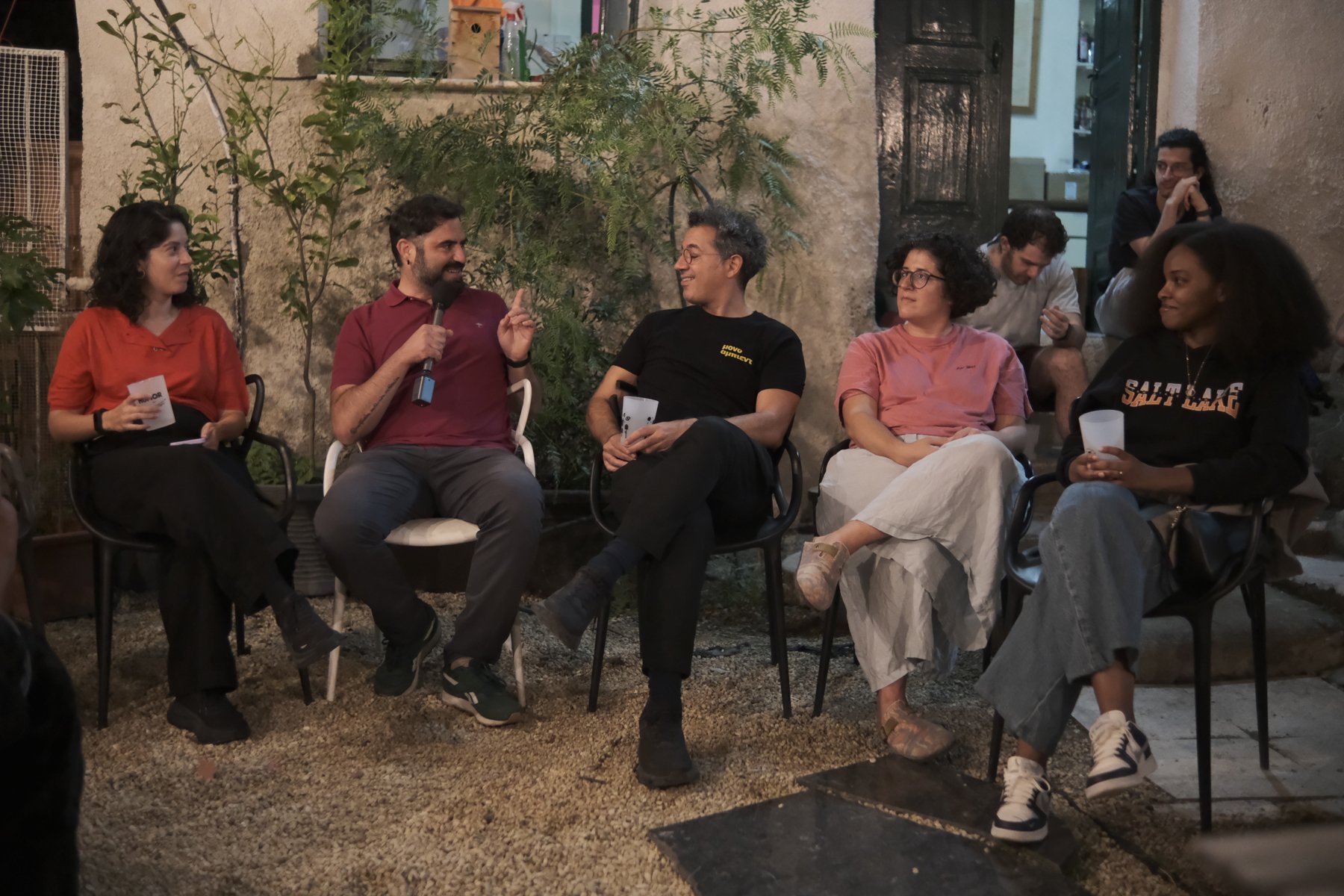
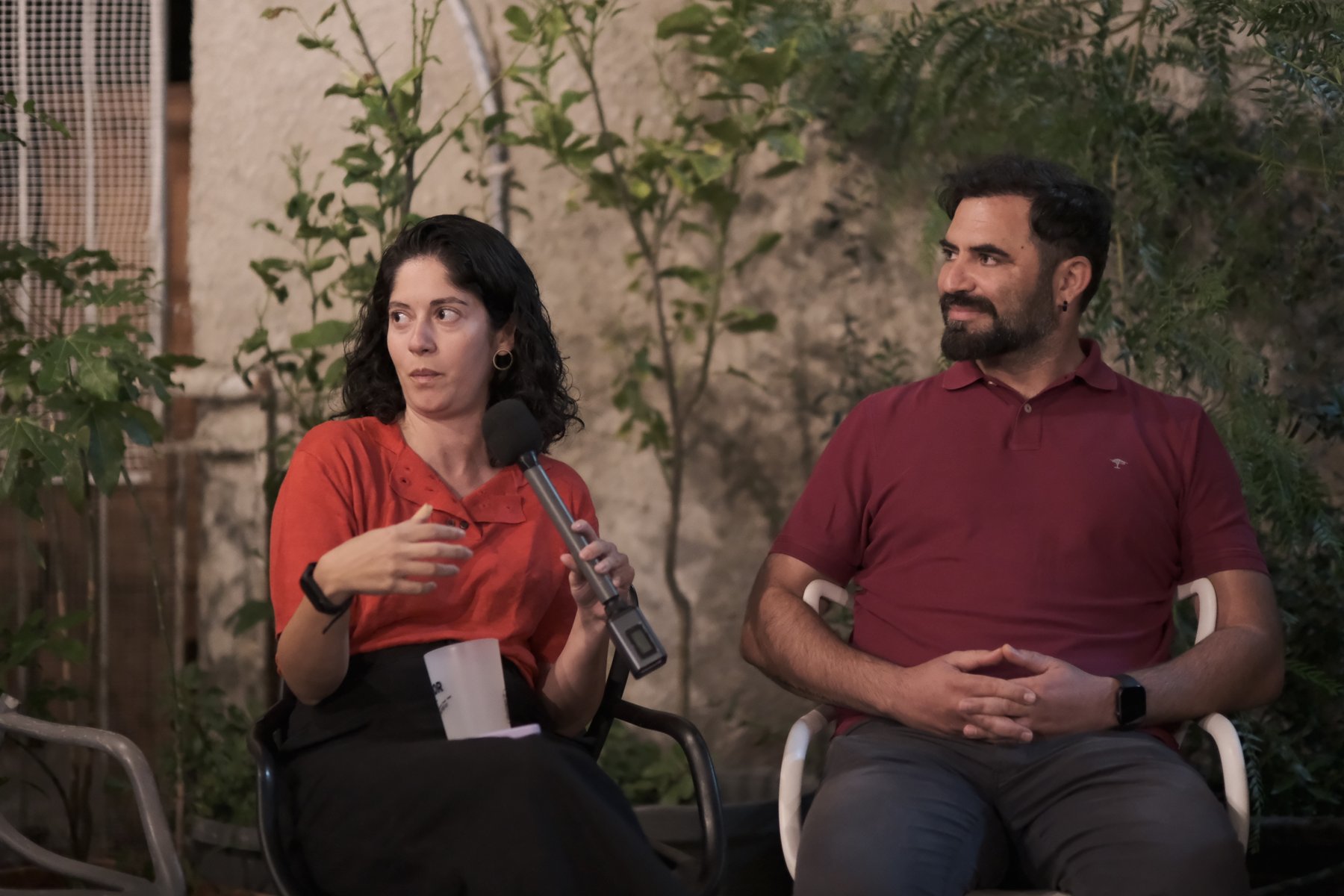
Why do people come back? One volunteer told the story of their first visit, in the summer. “I immediately volunteered to cook the next week. So that was it. I really fell in love with the community.” And then, the line that stayed with us: “I don’t think I would have met them anywhere else but here.”
It isn’t always easy. One night in August there were around ninety people, in a kitchen “not big enough to cook for that many people in one go”. The blender broke. Someone ran home for a replacement. “Very messy, but it worked.” And afterwards: “It was very stressful, but after the moment, that’s what brings you together.”
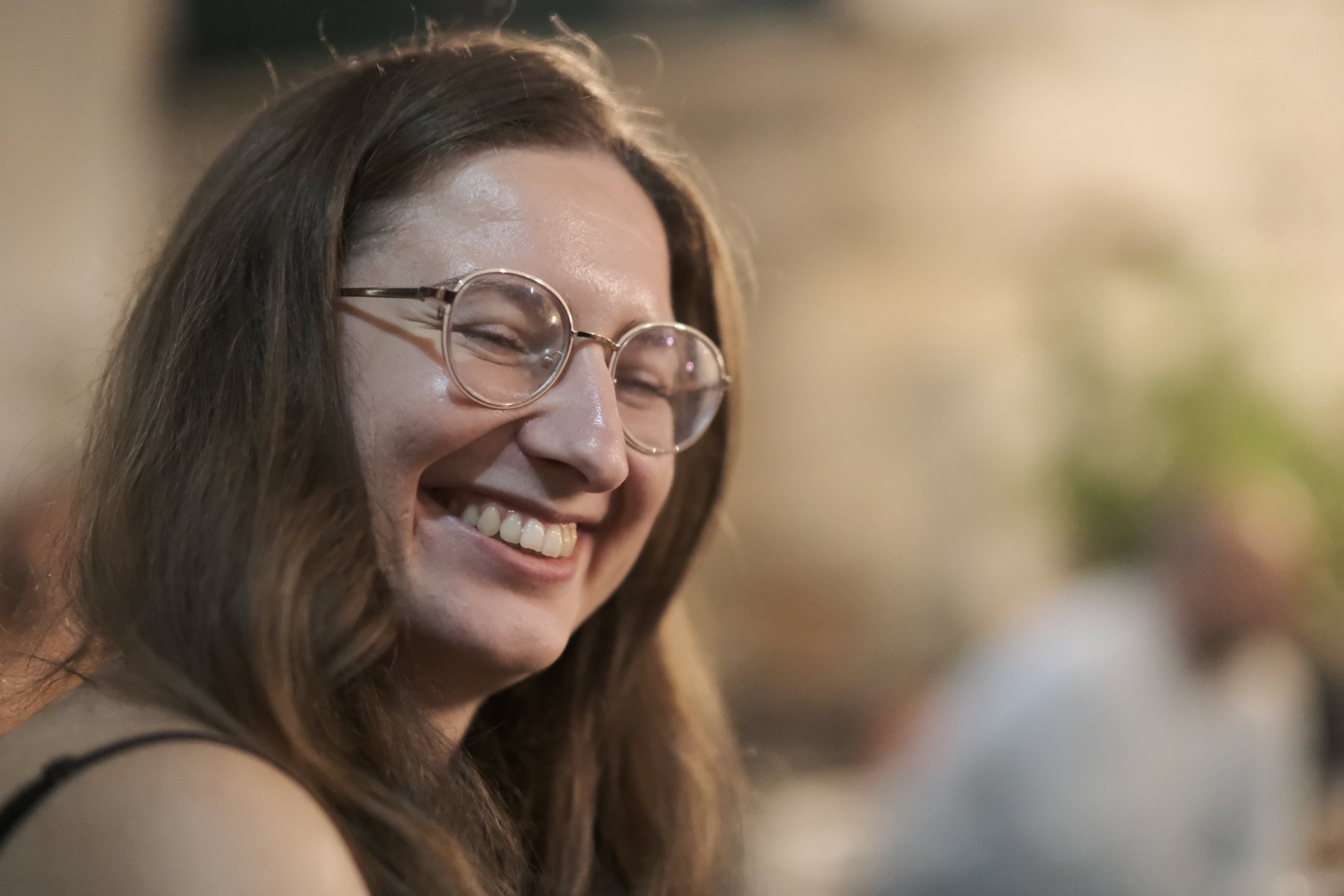
One of us, a self-described experienced introvert, tried to put words to the feeling: here you are “set up somehow to have… a meaningful exchange”. Not small talk across a bar. A reason to talk, a job to do together, and a plate at the end of it.
Another guest, who has spent years organising events, put it simply: “The fact that they are doing repetitive things is also very important.” A one-off event gives you a moment. A Tuesday that comes back every week gives you a habit, and a habit is where relationships start.
Every neighbourhood already has one
Then the question got bigger. If this works in one courtyard, could it work in every neighbourhood?
The old town is full of empty buildings, and the reasons are tangled: owners who left during or after the war, notices in an official newspaper “that no one reads”, property that belongs to the church. “How can this be empty?”
Then someone turned the question around: “If we want one in every neighbourhood, then every neighbourhood already has community buildings.” Every neighbourhood has a school that’s shut after one, or after three, with toilets, kitchens and running water.
A visitor from Vienna, where squats became gardens, shelters and schools, added some patience: “It just needs time.”
We didn’t agree on how. We didn’t need to. These are ideas from the table, not an action plan.
Kitchens need gardens
The last idea of the evening came from the soil: “How can you have community kitchens without having community gardens?” A visitor from the UK described her village, where volunteers pick fruit that would otherwise go to waste and anyone can come and take it, turned into jam or pies, for free. “It gives the community a sense of togetherness.”
Someone suggested we do this kind of conversation more often. Someone else suggested a community open mic. And then, because the food was ready: “Let’s talk about our ideas while we eat.”
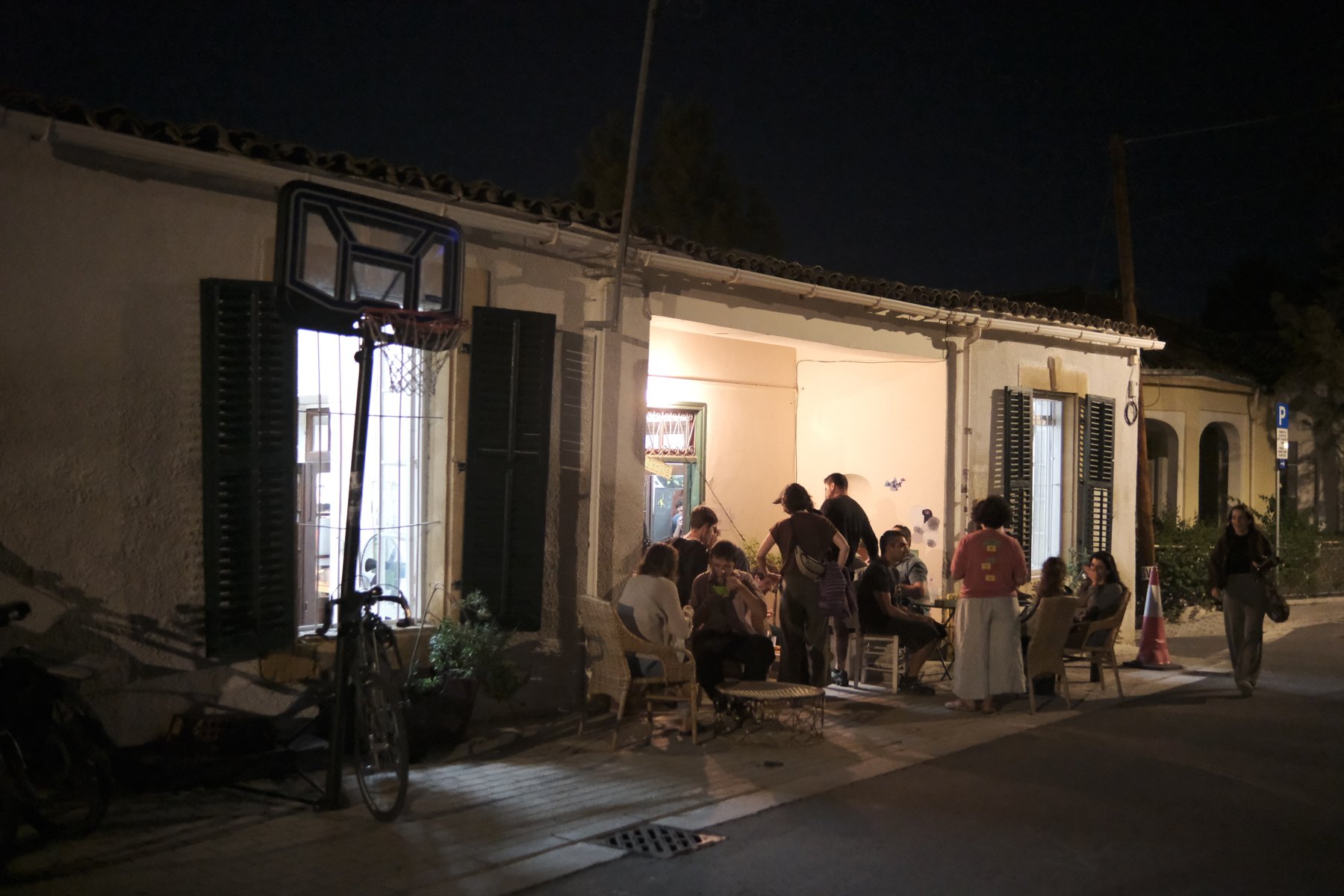
Who’s cooking next Tuesday?
At OPU, it’s a practical question, answered every month in a WhatsApp poll. But by the end of the evening it meant something else. Who takes part? Who takes responsibility? Who gets a key to the building? And what would happen if your neighbourhood had its own Tuesday?
You don’t need a courtyard to start. Cook something and invite one more person than usual. Bring a dish to a neighbour you only say good morning to. Or go to OPU on a Tuesday, eat, and then sign up to cook.
Watch the film Who’s Cooking Next Tuesday? and tell us: what is the empty building in your neighbourhood, and what would you cook in it? Write to us on Instagram at @alternativebrainsrule, or at projects@abr.cy. If you have experience with community gardens, empty buildings, σωματεία, or the laws that make them possible, get in touch with OPU at @opu_collective and help shape the next conversation.
Community doesn’t start with a strategy. It starts with a table, and someone willing to cook next Tuesday.
The ABR team
Watch the film: Who’s Cooking Next Tuesday?
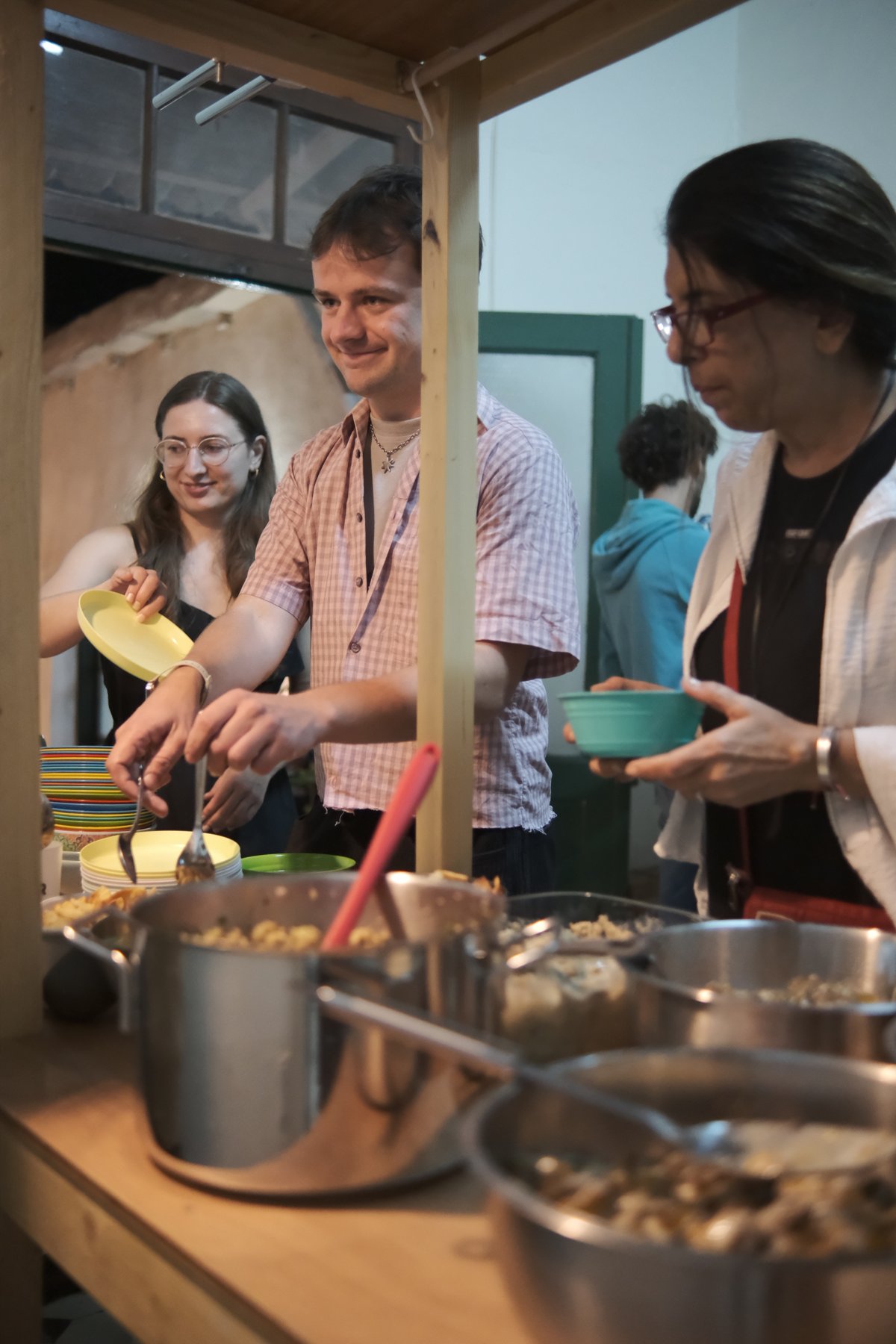
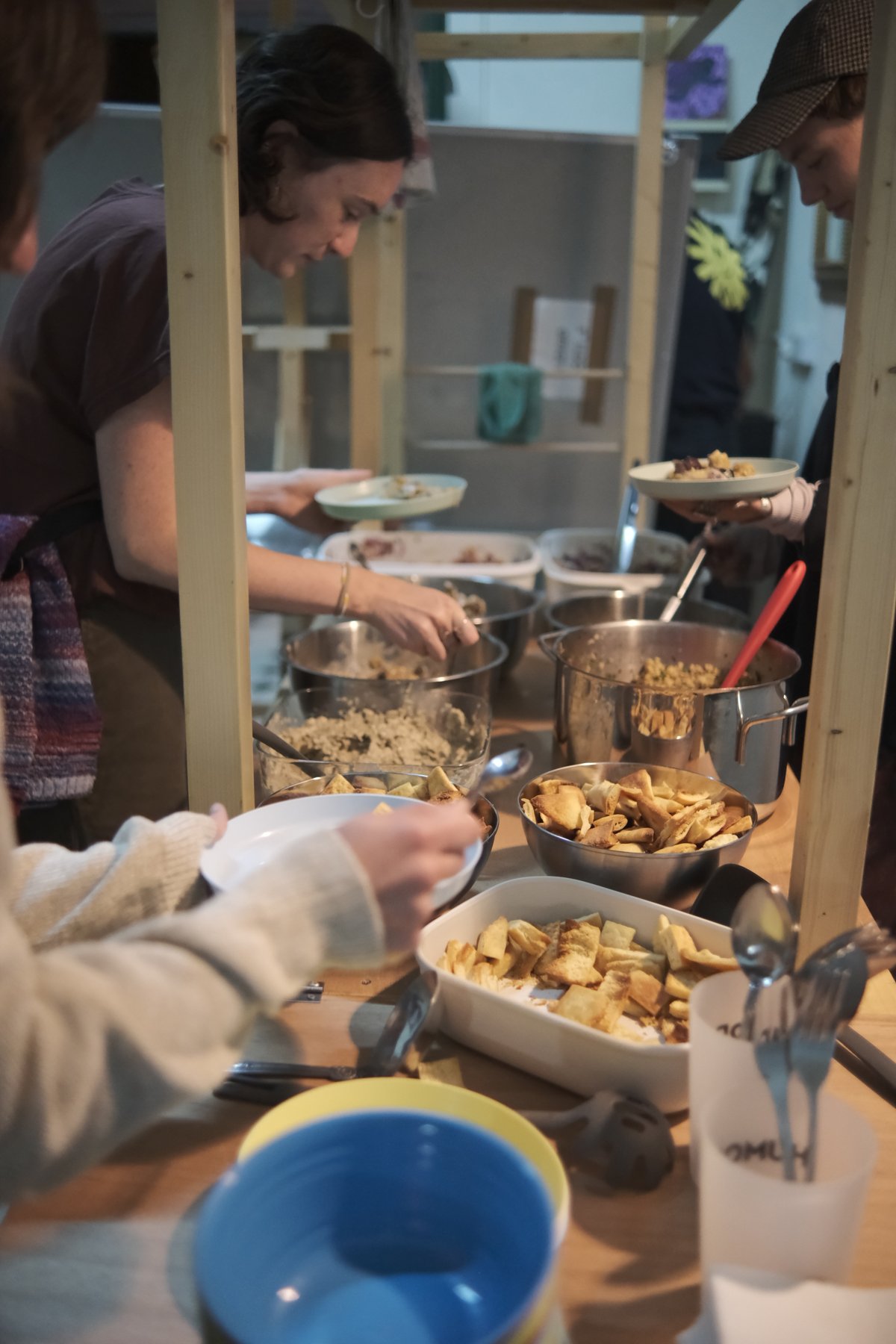
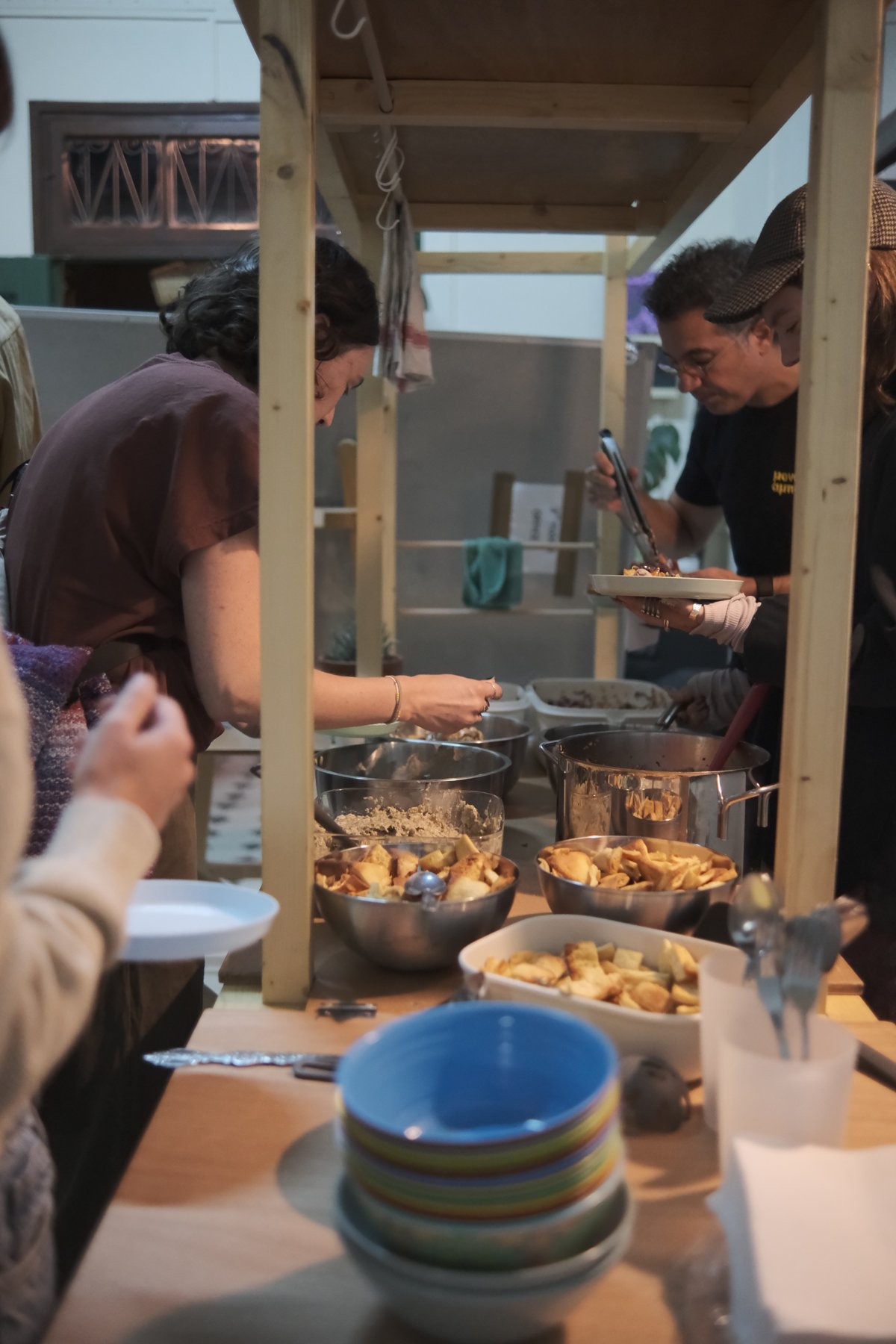
In the press: Christothea Iakovou wrote about this evening for Politis. «Από ένα γεύμα... στη διεκδίκηση της πόλης» (in Greek) →
Read it in English on our blog →
Photos: George Stylianou and OPU Community
TY-CO (communities in conversation) · ABR|Alternative Brains Rule · Co-funded by the European Union
Funded by the European Union. Views and opinions expressed are however, those of the author(s) only and do not necessarily reflect those of the European Union or the European Education and Culture Executive Agency (EACEA). Neither the European Union nor EACEA can be held responsible for them.