28 / 10 / 2025
Montreal Through a Partner’s Eyes: Arroz Estúdios at MUTEK 2025
A review by Steven Mackay of Arroz Estúdios, a TY-CO partner, first published in The Ransom Note on 21 October 2025
As part of TY-CO (Typologies of Community), we share writing by our partners on how cultural organisations survive, grow and stay useful to their communities. This review is by Steven Mackay of Arroz Estúdios, our partner in Portugal.
Steven travelled to MUTEK Montreal 2025, one of the world's leading festivals for digital arts and electronic music, and looked past the stage at the model behind it: who pays, who it serves, and what other cities can learn from it. Read the full review on The Ransom Note.
What MUTEK is
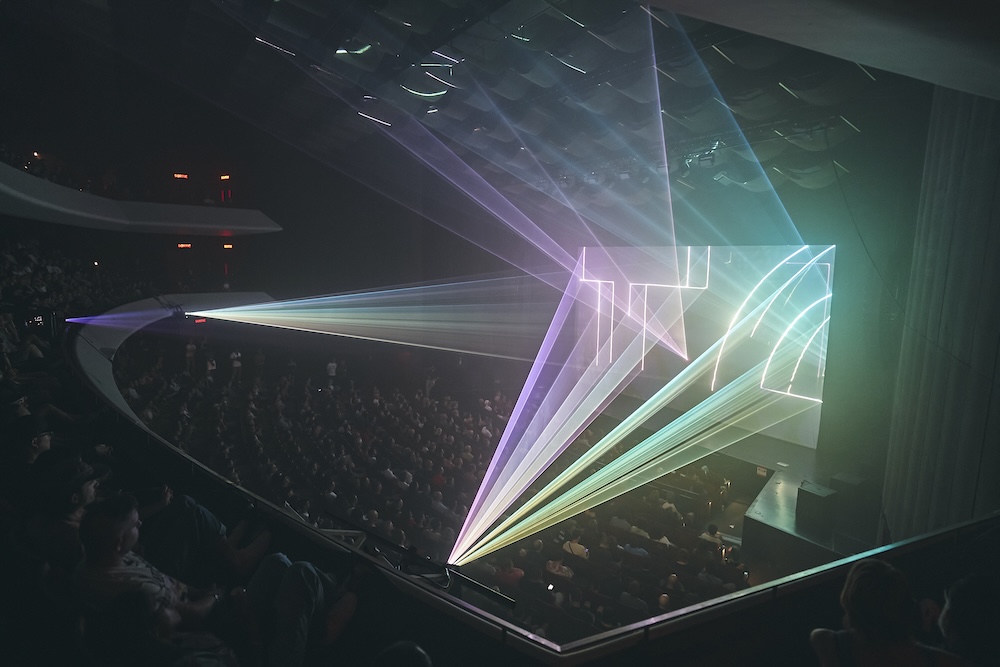
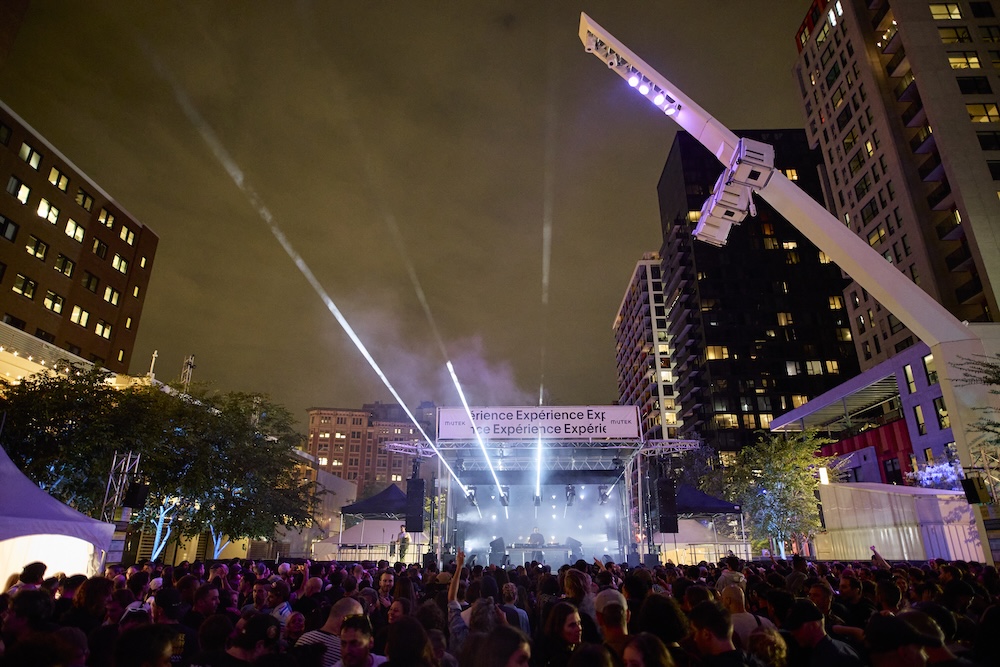
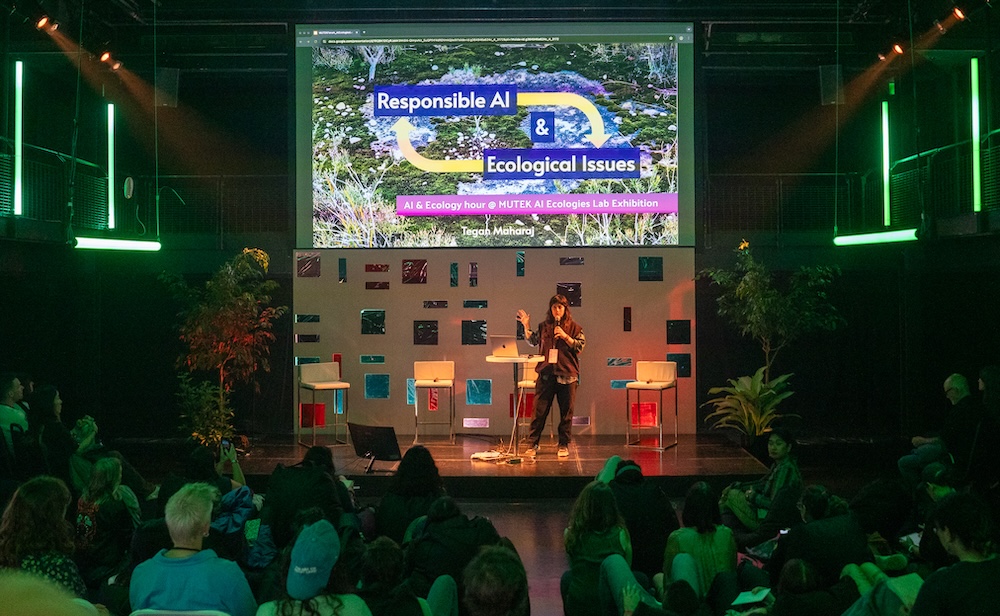
Founded in Montreal in 1999, MUTEK grew from a small experimental event into a national institution. Today it combines a five-day festival with MUTEK Forum, a conference, and MUTEK Market, a networking platform for the sector.
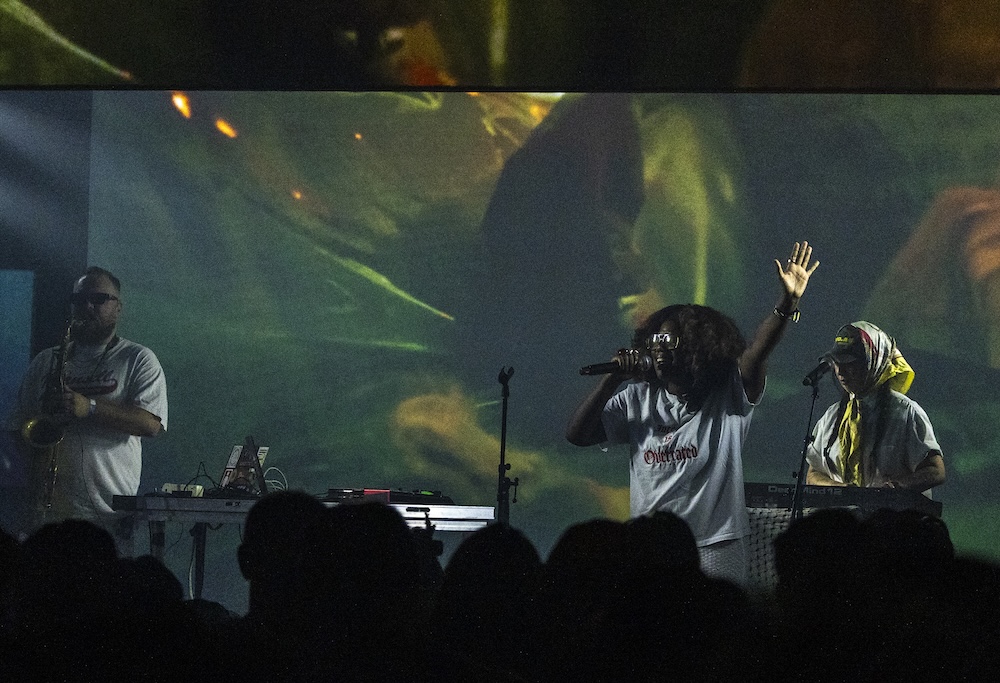
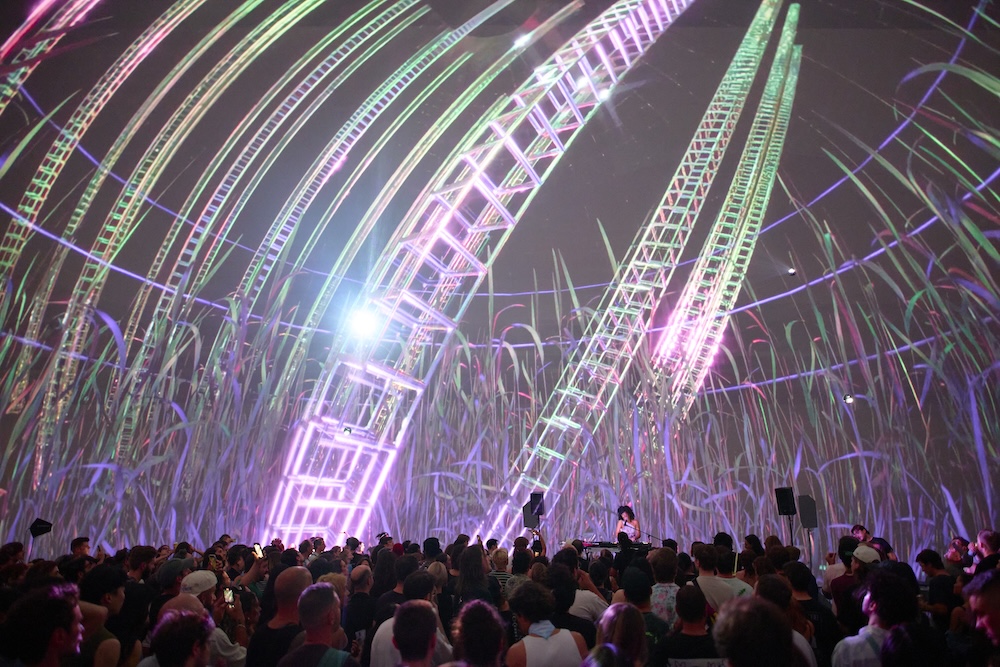
The review praises the programming, with world premieres from artists such as Kyle Hall, Gayance, Ma Sha and Hodge, and singles out Gayance's political set. It also notes that spreading the festival across many venues weakens the sense of community.
Arts over profit
MUTEK runs as a not-for-profit, and the brand has editions in cities including Mexico City, Buenos Aires, Tokyo, Barcelona and Dubai. Speaking to founder Alain Mongeau, the review describes an organisation that has chosen the arts over profit.
It also reports that some international editions are under financial pressure and may move to a biennial rhythm, which Mongeau puts down mainly to local economies and the after-effects of COVID.
SHOULD WE ALL JUST MOVE TO CANADA?


A masterclass in public funding
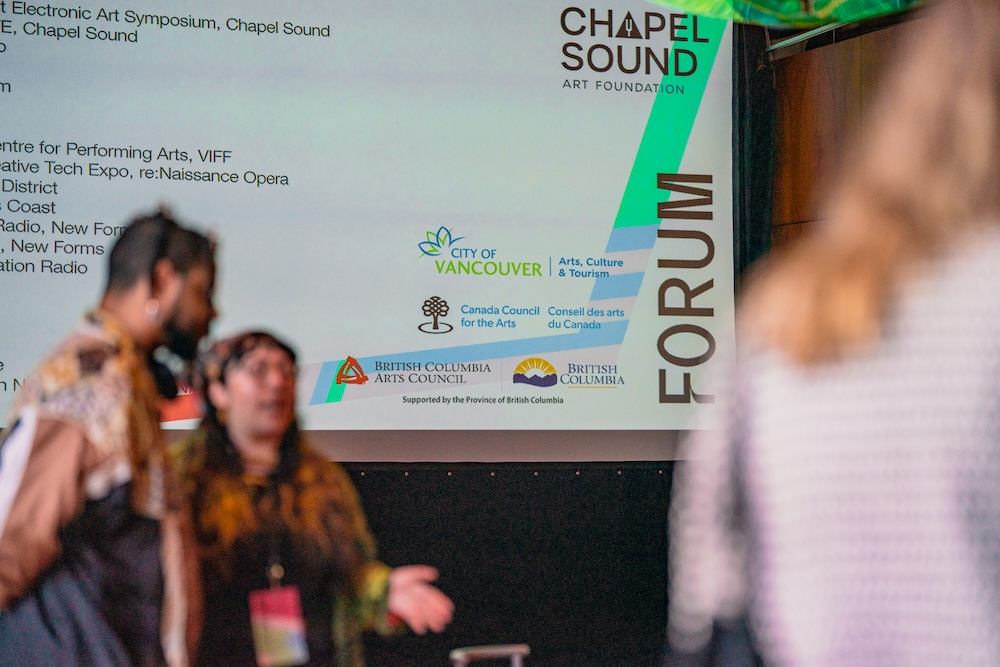
According to the review, public grants from local, national and tourism bodies cover about two-thirds of the Montreal budget, around 2 million Canadian dollars. Tickets, bars and sponsorship make up the rest. The writer credits decades of lobbying for building Quebec's digital arts sector.
The open question is who benefits. Much of the programme speaks to people who already know the field, and full passes are expensive, so the review argues that MUTEK could do more on accessibility.
What it leaves open
The review also looks at the city outside the venues, including visible homelessness, and at how few artists or organisers spoke publicly about Gaza.
It closes by asking whether MUTEK sits somewhere between a festival and a conference, and recommends it most to people who love music and digital arts.
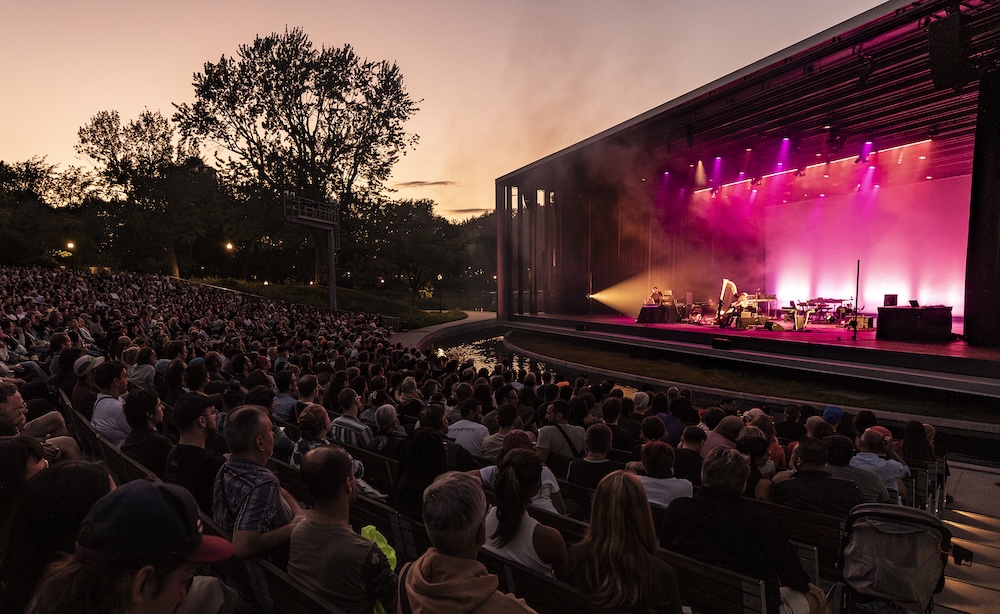
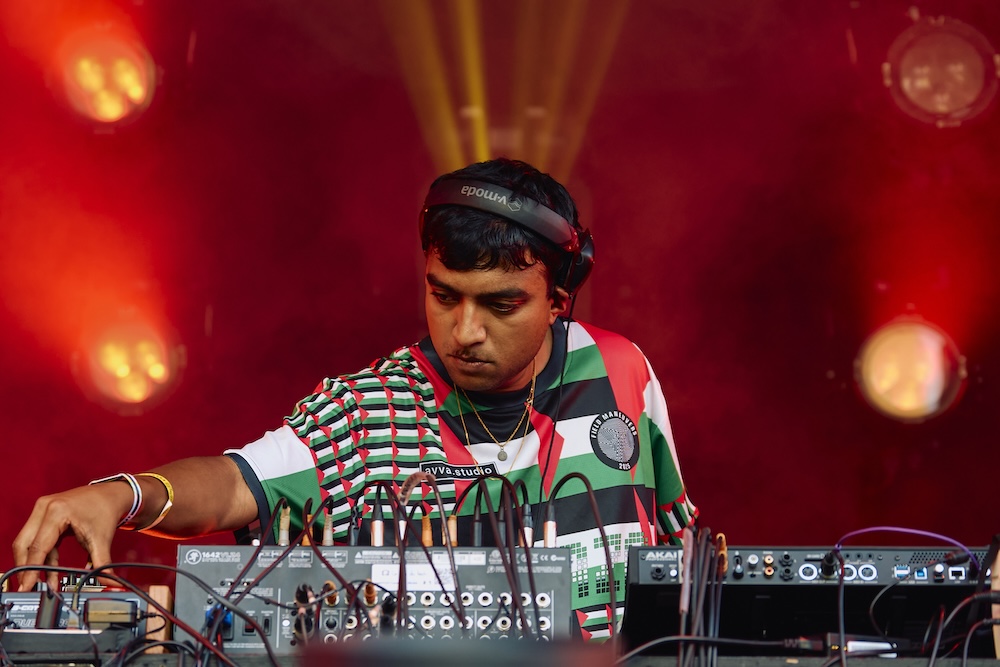
Photo credits (courtesy of MUTEK, via The Ransom Note)
Max Cooper, Raf Reza: Bruno Aiello Destombes
Djeity & al11z, Nicola Cruz, Motia & Nait Saves, Thisquietarmy & Mothrspace: Vivien Gaumand
Gayance (VJ Isotone), The Bionic Harpist & Techno Para Dos: Frédérique Ménard-Aubin
MUTEK Forum sessions: Felix Bonnevie
TY-CO (communities in conversation) · ABR – Alternative Brains Rule · Co-funded by the European Union
Funded by the European Union. Views and opinions expressed are however, those of the author(s) only and do not necessarily reflect those of the European Union or the European Education and Culture Executive Agency (EACEA). Neither the European Union nor EACEA can be held responsible for them.