11 / 02 / 2026
From Pop-Up to Permanent: A Partner’s Lessons from Horst
By Steven Mackay of Arroz Estúdios, a TY-CO partner, first published by the Reset! network on 3 February 2026
As part of TY-CO (Typologies of Community), we share writing by our partners on how cultural organisations survive, grow and stay useful to their communities. This piece is by Steven Mackay of Arroz Estúdios, our partner in Portugal.
In this knowledge-sharing piece for the Reset! network, Steven looks behind Horst, one of Europe's leading electronic music festivals. How did it move from a pop-up event to a permanent site with long-term stability, and what can other organisations learn from it? For what the festival itself is like, see Steven's review, Horst 2025: A Festival Review from Asiat Park Read the full article on the Reset! network.
Humble beginnings?
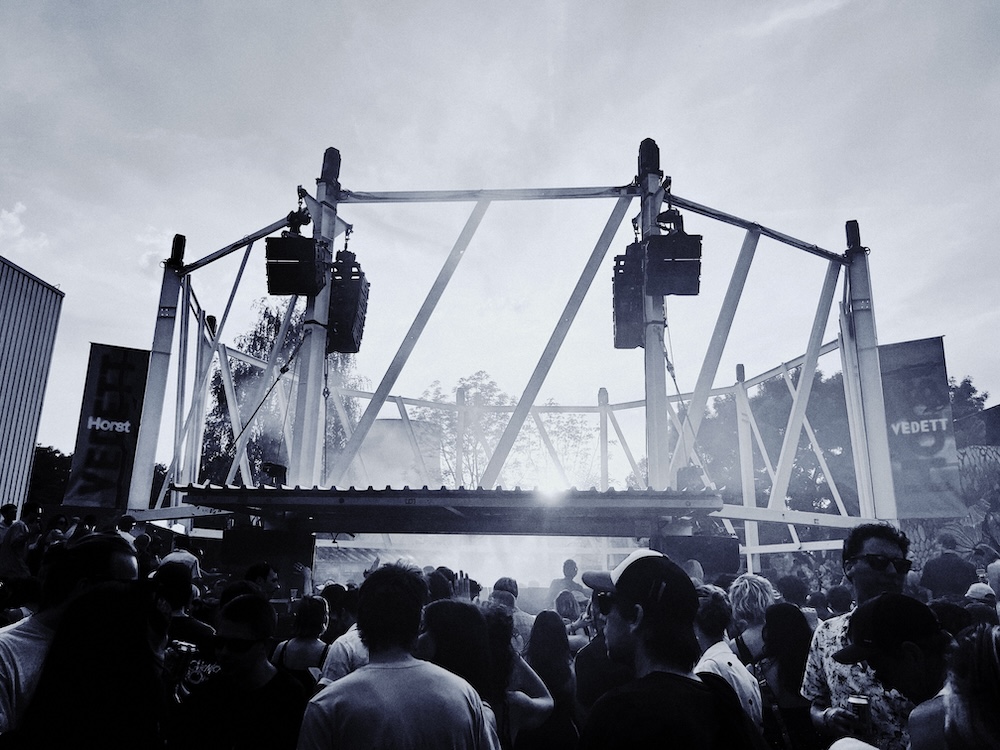
Horst started in 2014 in the grounds of Horst Castle near Leuven, set up by a group of Belgian creatives. It paired temporary architectural pavilions with electronic music and became known across Europe for its stages.
In 2021 the team moved to a former Cold War military base north of Brussels. A winning tender and a large EU grant let them swap the pop-up model for a permanent one.
Who's behind it?
Four co-founders share the work: Jochem Daelman (leadership and strategy), architect Mattias Staelens (artistic and spatial direction), Wim Thijs (organisational development and culture) and Thomas Van Ostaede (finance and business).
They met through friendship and volunteering, and see culture as a driver of long-term social and spatial change. Steven describes their approach as pragmatic, with the festival as the catalyst.
The site
Asiat Park covers about 10 hectares of green and former industrial land in Vilvoorde, a diverse city on the edge of Brussels. Together with the municipality, the festival has turned it into a public park with creative hubs, studios and open-air installations.
Under its contract, the park must stay open to the public all year. Horst uses it to test circular design and sustainable materials, instead of building and burning a site each year.
What it has become
Two steps made the change possible: winning the site tender from Vilvoorde council, and around €3 million from the European Regional Development Fund, channelled through the municipality. Horst presents its value in social, economic and environmental terms that match EU priorities.
The site now hosts year-round venues, studios and workshops. A yearly atelier brings up to 80 graduate architects, designers and makers to build installations, though Steven notes that relying on unpaid or low-paid work is contested.
NOT ALWAYS EASY TO FIND COMMON GROUND WITH THE LOCAL COMMUNITY
Points for reflection
The programming is strong, but some argue that architecture and community goals can limit artistic risk-taking, and local integration is still a work in progress.
Steven concludes that Horst is an evolving framework rather than a finished model, and one worth learning from.
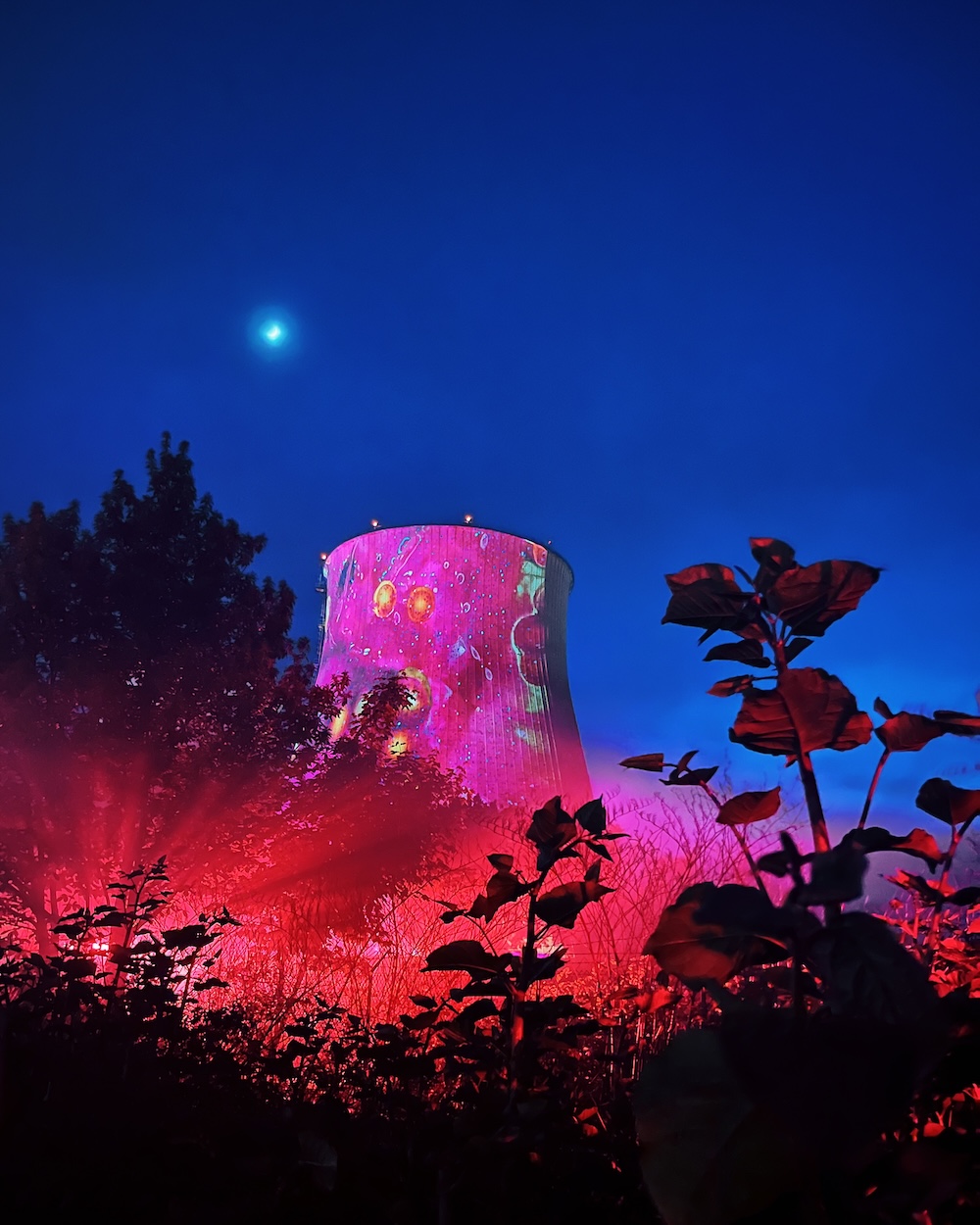
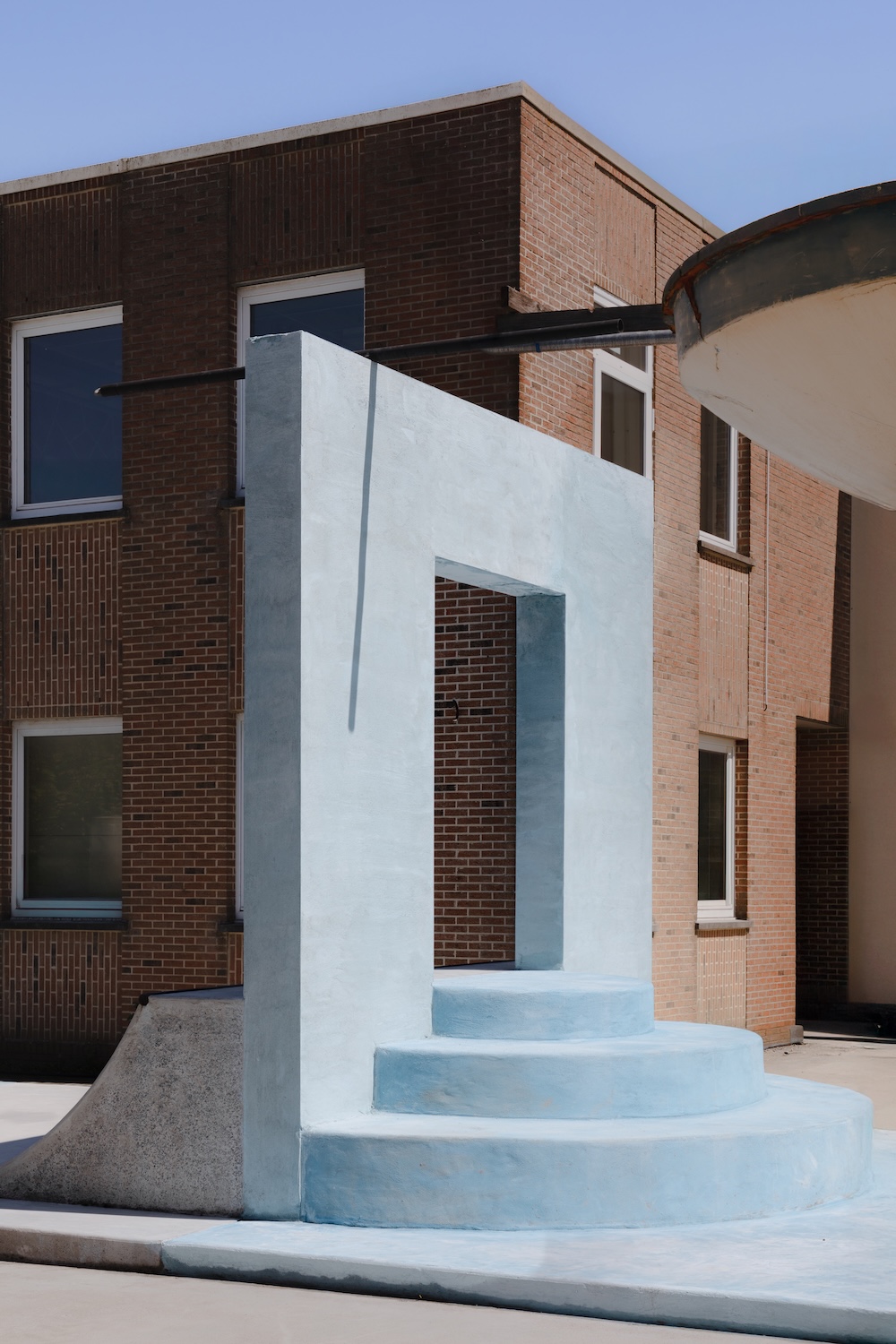
Photo credits (via The Ransom Note and the Reset! network)
Eline Willaert
Nico Sancier
TY-CO (communities in conversation) · ABR – Alternative Brains Rule · Co-funded by the European Union
Funded by the European Union. Views and opinions expressed are however, those of the author(s) only and do not necessarily reflect those of the European Union or the European Education and Culture Executive Agency (EACEA). Neither the European Union nor EACEA can be held responsible for them.