20 / 04 / 2026
Lisbon Through a Partner’s Eyes: Arroz Estúdios on Designing Cultural Centres
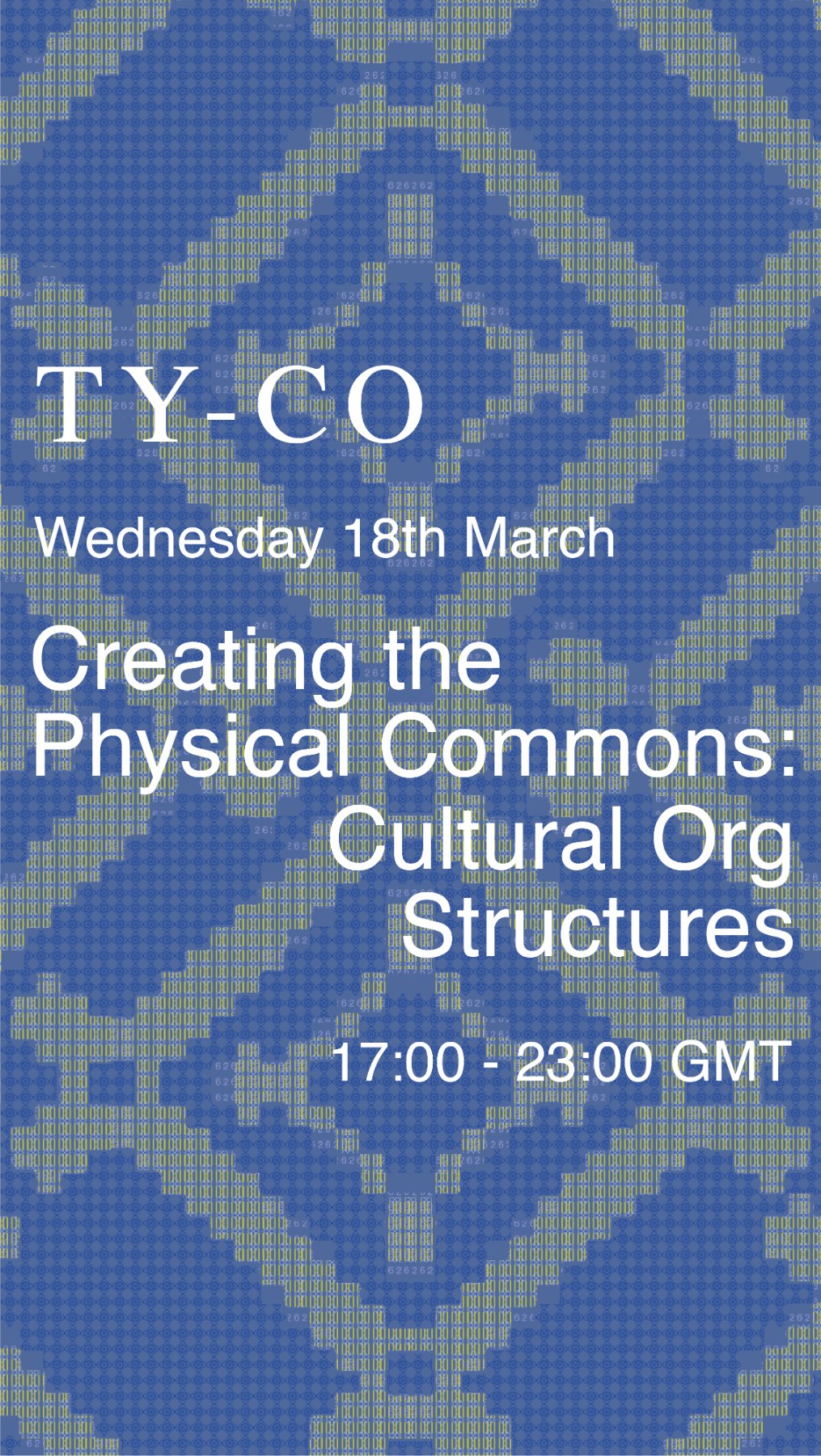
A TY-CO partner event: a talk and collaborative design session hosted by Arroz Estúdios in Lisbon on 18 March 2026
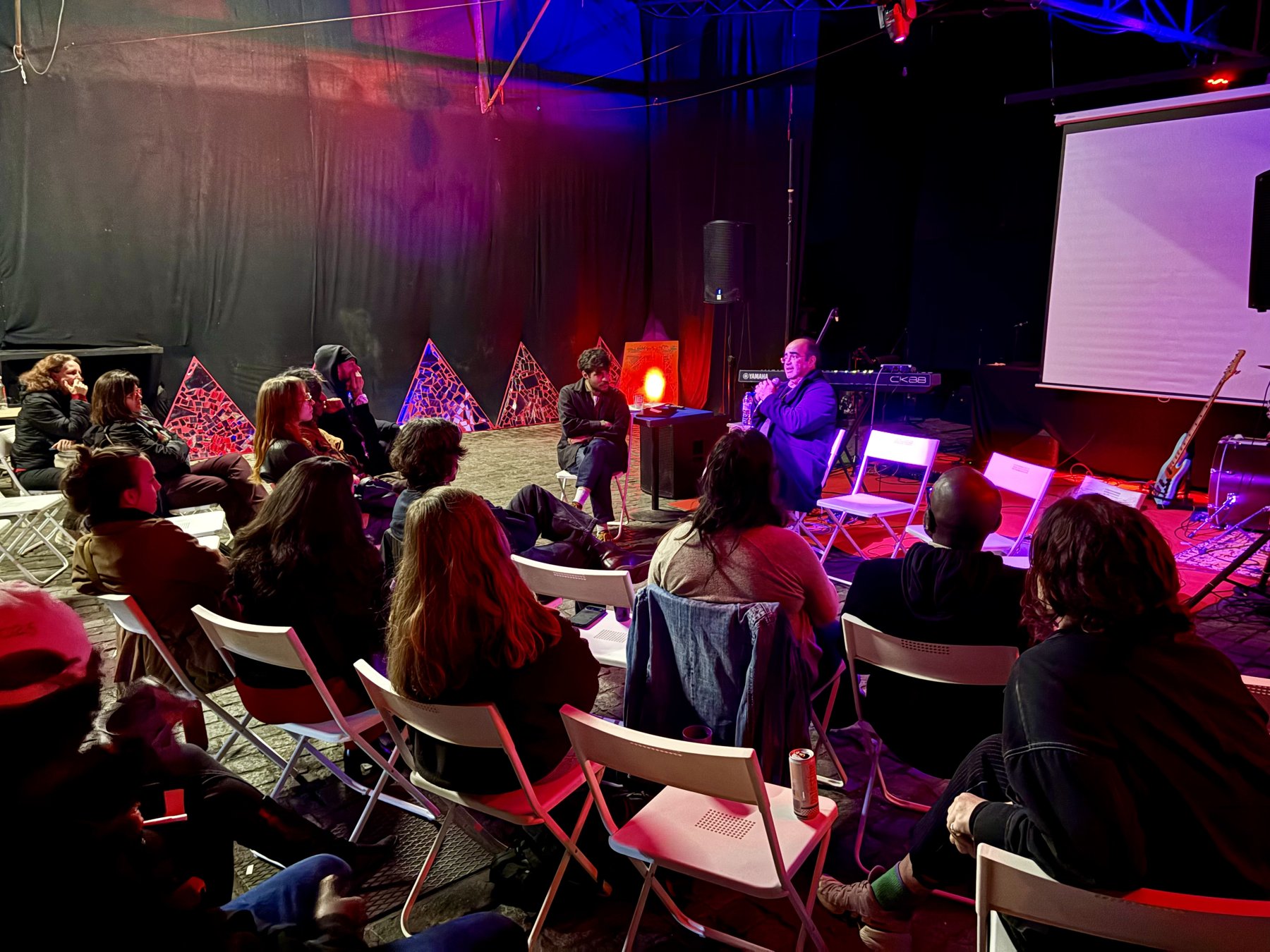
On 18 March 2026, as part of TY-CO (Typologies of Community), our partner Arroz Estúdios invited cultural workers, researchers and neighbours to its home in eastern Lisbon to ask a practical question: how can abandoned or underused buildings become inclusive cultural and social hubs, without feeding the gentrification that pushes culture out of the city? And can the Portuguese cultural association, non-profit and run by its members, help keep them that way?
Hosted by Cátia Ciríaco, Steven Mackay and Vanderley Neves of Arroz Estúdios, the evening ran from 17:00 to 23:00. It moved from context-setting talks to stories from Lisbon’s cultural initiatives, then a collaborative design session, and closed with a free public programme: food and a live performance by Inesh Bueno. Journalist João Ribeiro of Shifter and Lisboa Para Pessoas opened the discussion, and later wrote about it in Os terceiros espaços nas contas da capital.
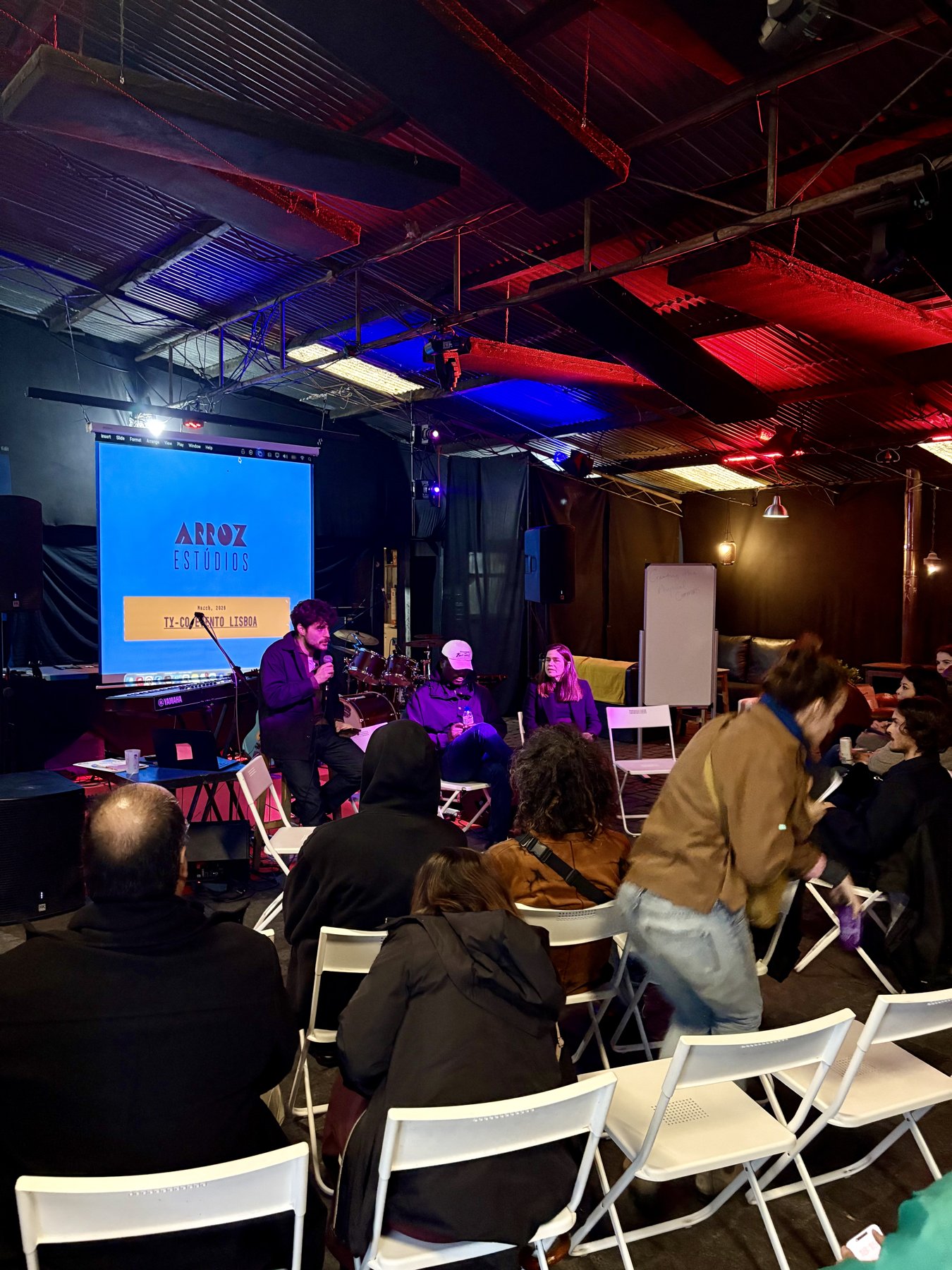
On the panel
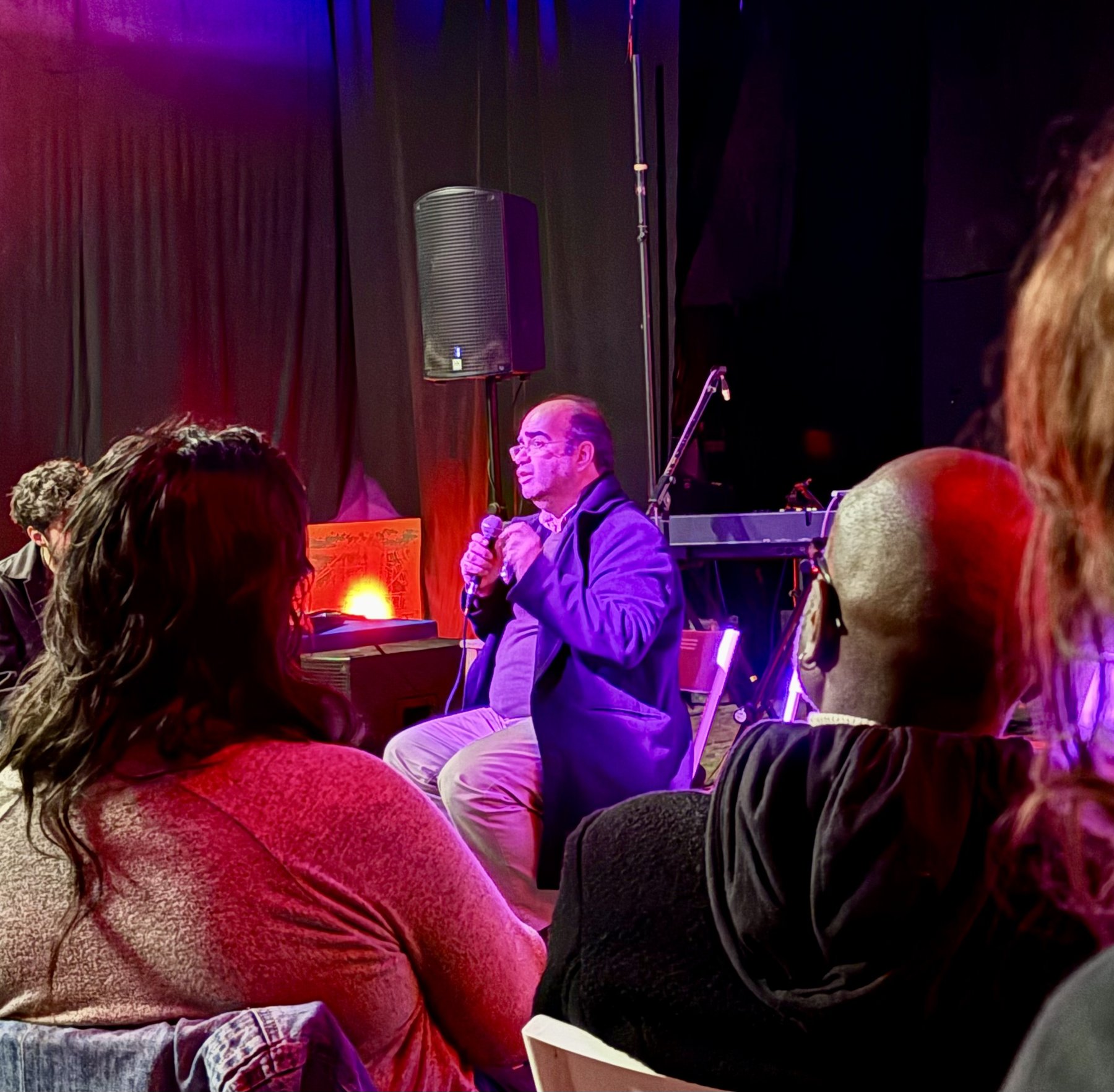
Luís Mendes, a researcher on gentrification at the University of Lisbon
Leonor Bettencourt Loureiro, founder of Espaço Arroios
Kevin Guieu, founder of Outra Cena
Tiago Rosário, board member of Bela Associação
The programme opened with Arroz Estúdios' board setting the context, moved on to cultural leaders from across Lisbon, and ended with the room designing a shared method together.
Third spaces under pressure
In his article, João Ribeiro starts from gentrification. Housing is its most visible effect in Lisbon, but places to make and enjoy culture are disappearing too. "Third spaces", where people can gather without having to spend money, are getting rarer as tourism and property prices push out anything without a profit model.
The discussion focused less on best practice and more on the basics: rent, licences and finding a building at all.
Stories from the room
Leonor Bettencourt Loureiro set up Espaço Arroios because she needed a workspace and wanted it open to the public. Its open call never closes, and its values are not up for negotiation: feminist, antifascist and FLINT.
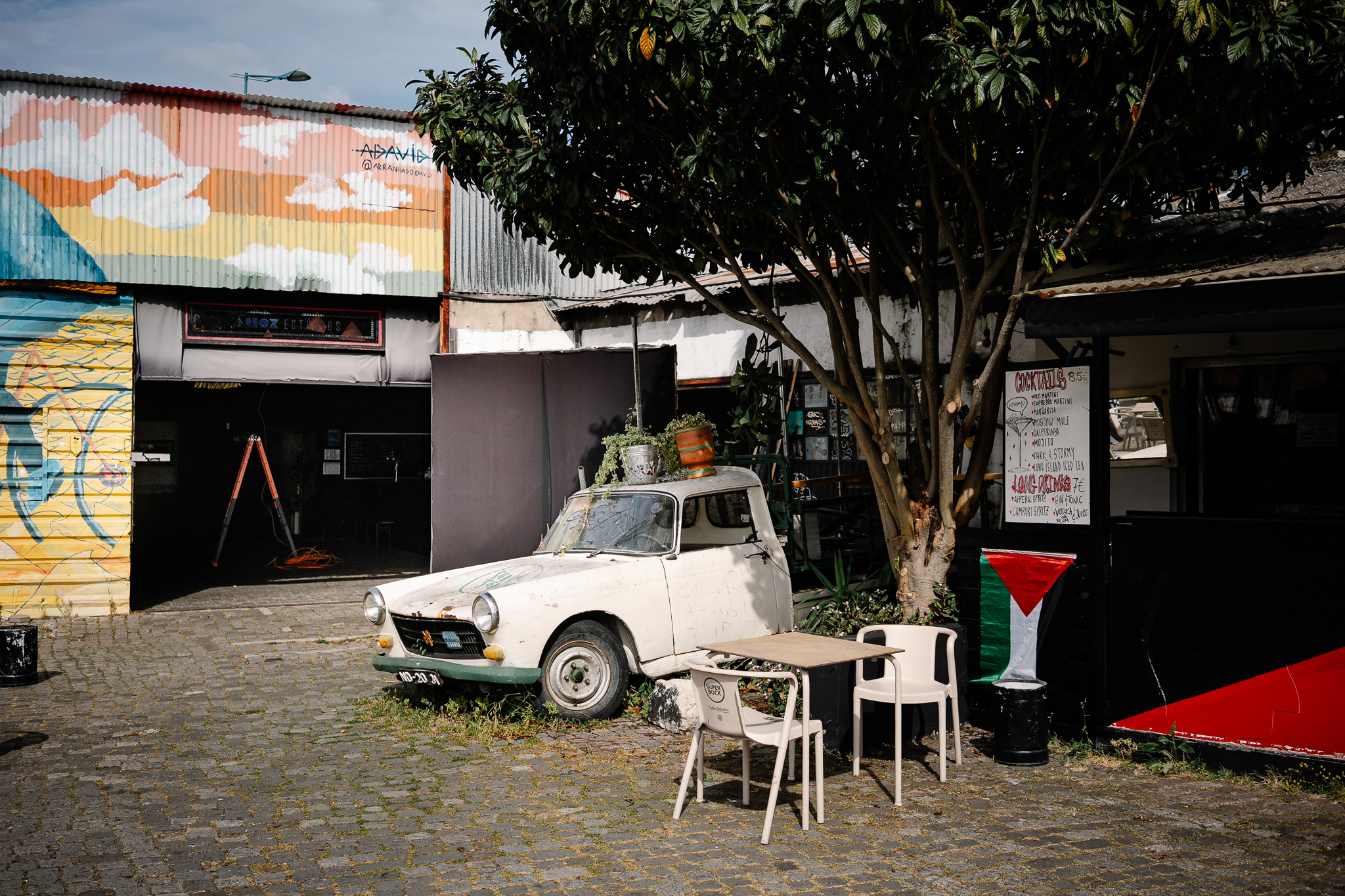
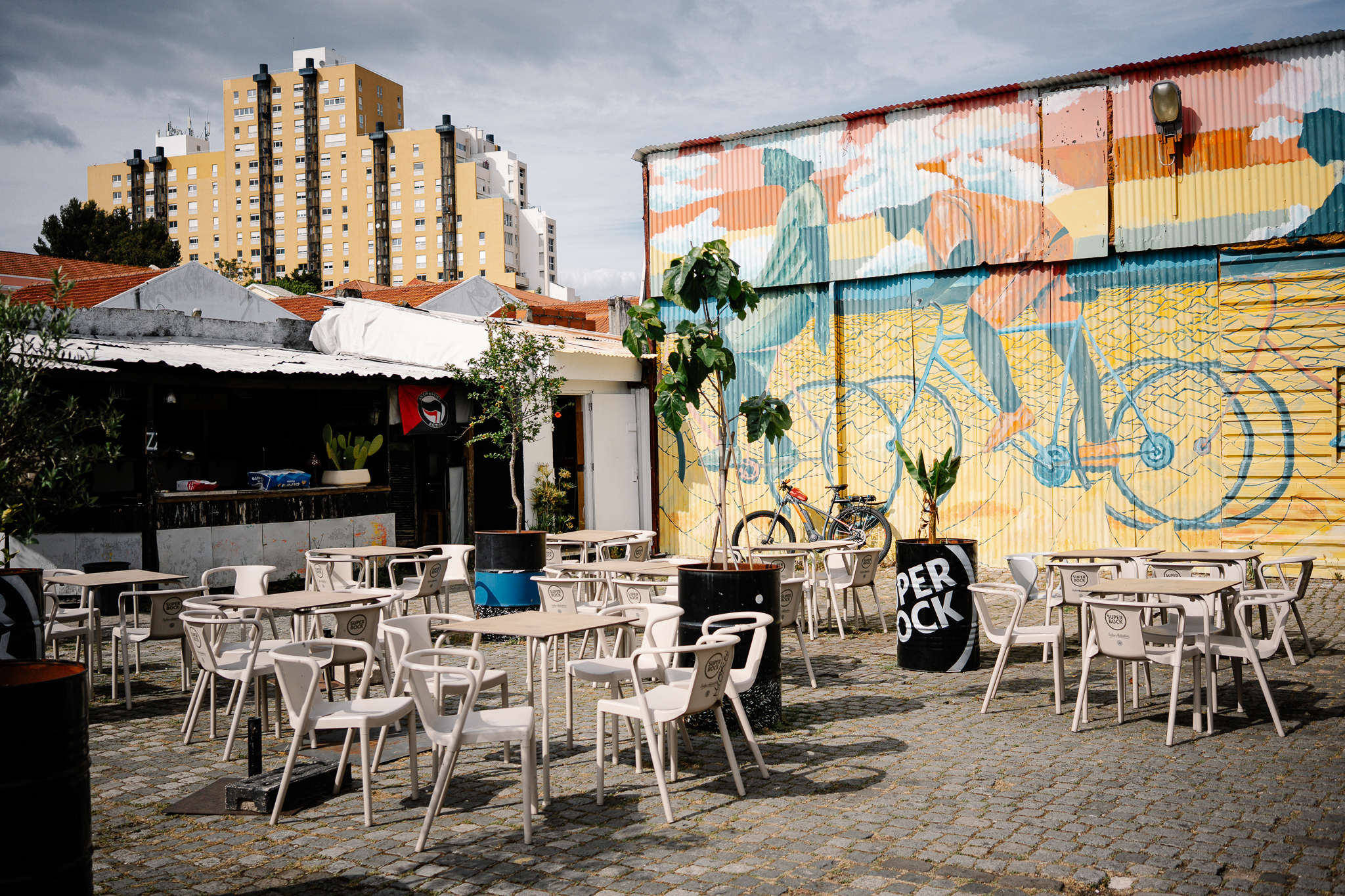
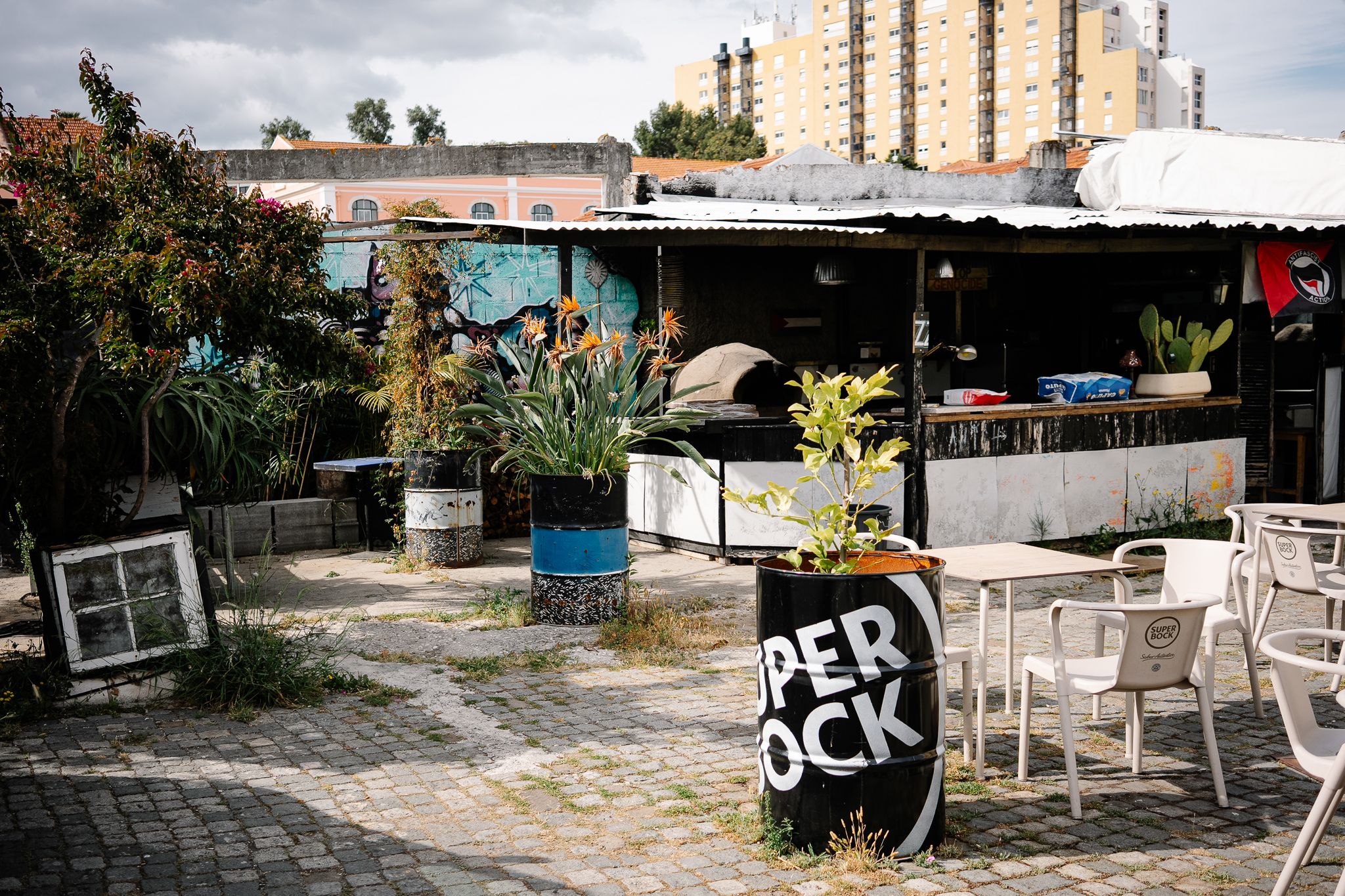
Arroz Estúdios began in Cacilhas before moving to Beato. Vice-president Vanderley Neves told the room the association has welcomed around 100,000 visitors in seven years, but its landlord will not renew the lease, and it has not been able to get a licence for night events.
Kevin Guieu built Outra Cena in a Marvila warehouse with no electricity or water, funded by savings, loans from friends and help from a lighting studio. Licensing problems, police visits and fines mean it has to close at 11pm.
The article also recalls Planeta Manas, a safe space for the LGBTQI+ community in Prior Velho that closed in 2025, citing rents, gentrification, patchy public support and police pressure.
A CANARY IN A COAL MINE
Too big to evict
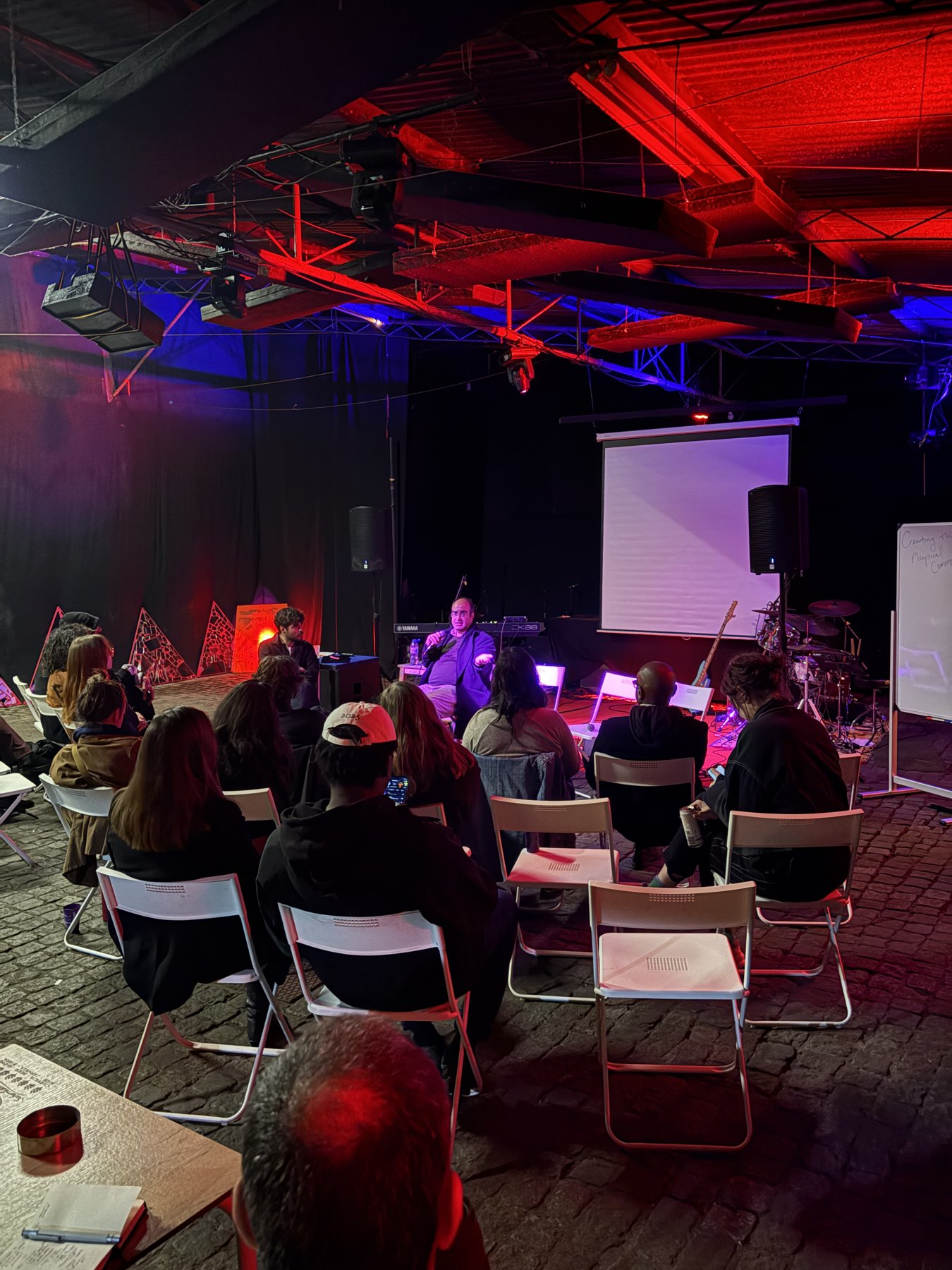
Luís Mendes separated gentrification from regeneration and asked how cultural groups can stay emancipatory and still pay their way. He urged them to build local alliances, work with other associations, look for land and get visible in the media.
He argued that cultural value pays back over time, not straight away, and that real protection comes from dense networks and real value for the community: groups that become too big to be evicted.
Designing it together
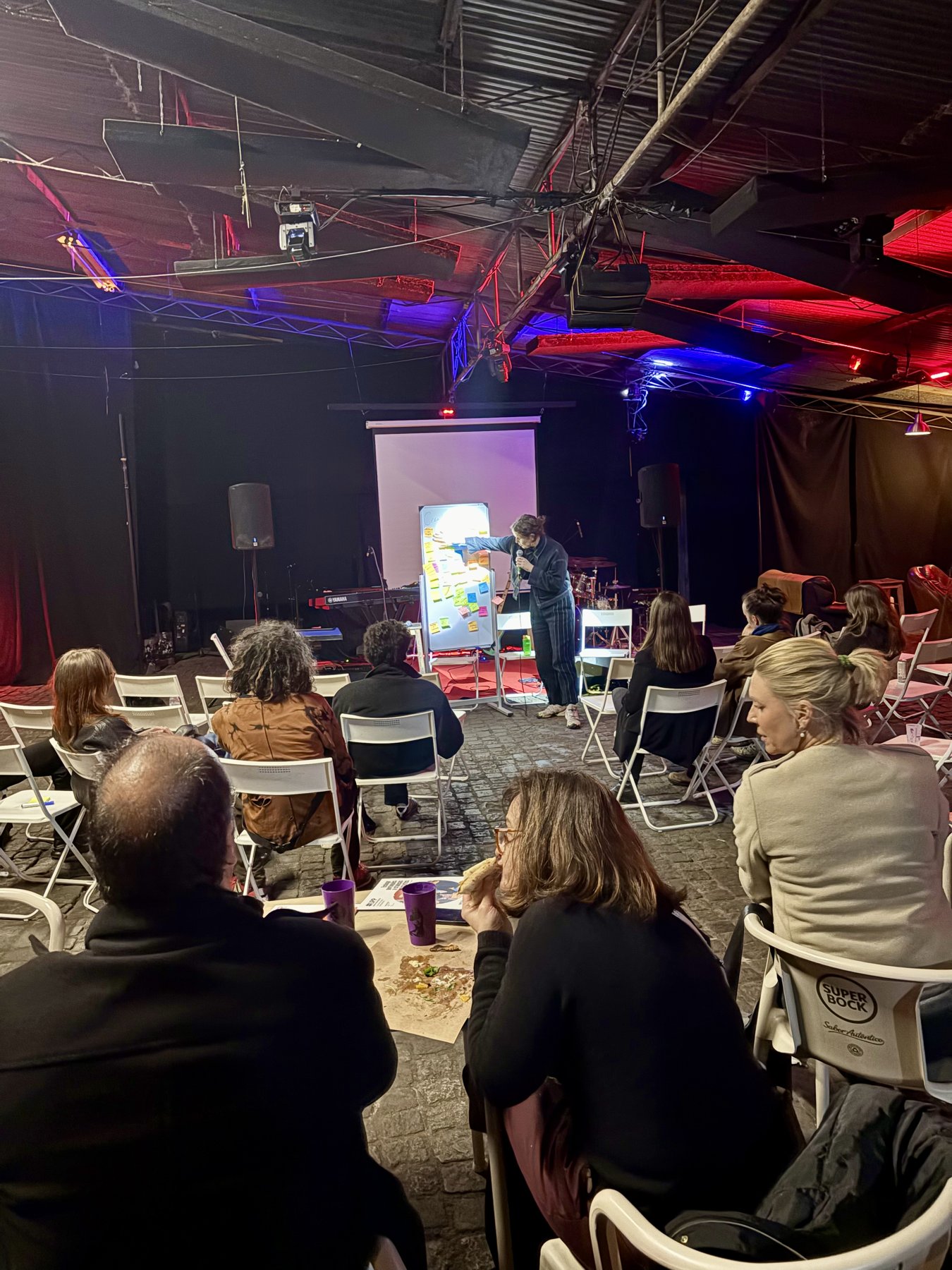
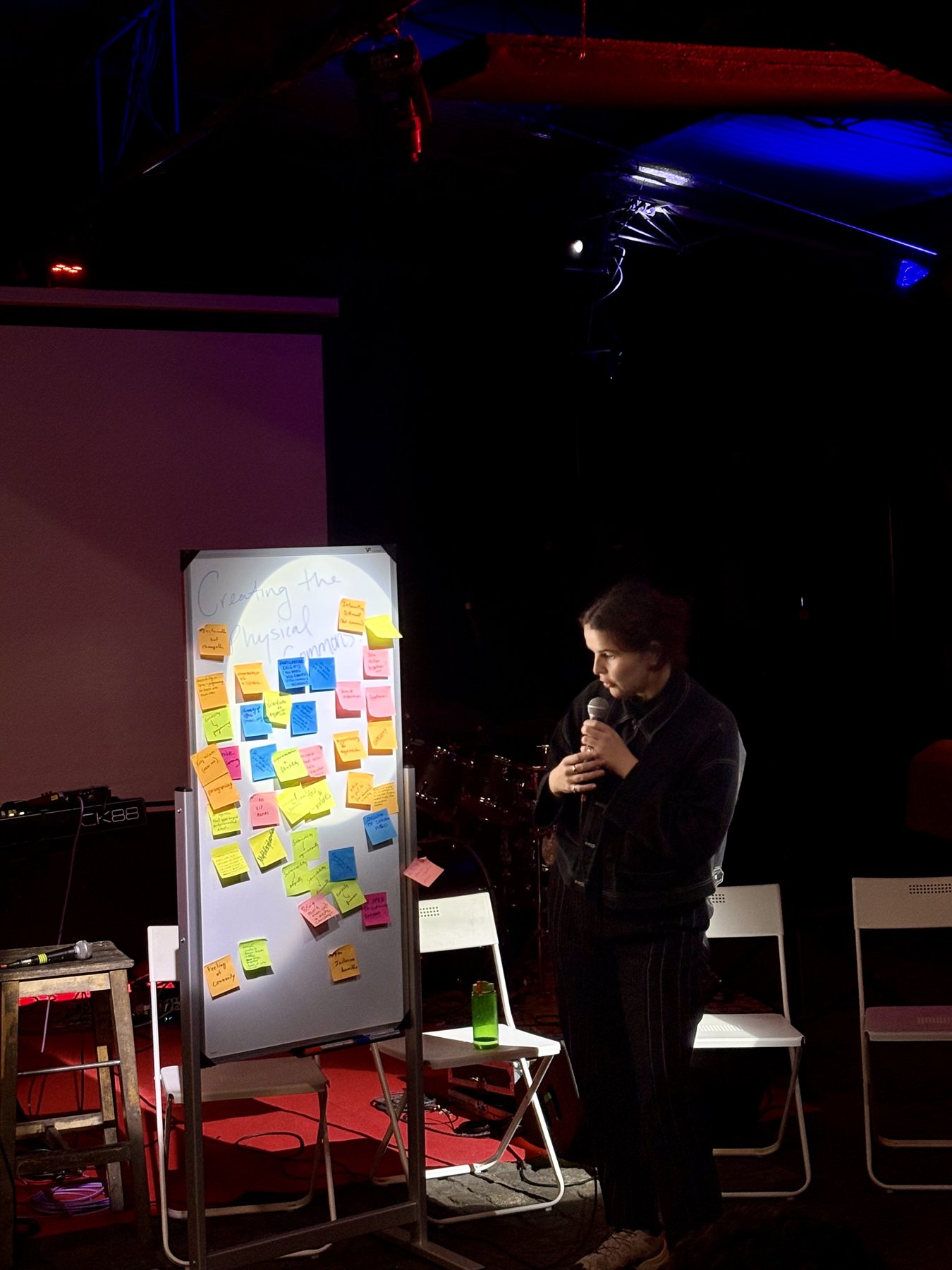
After the talks, facilitator Kaitlyn Davis turned the room into a design studio. Working in groups, participants took on four questions every cultural centre has to answer: who can get in and feel welcome, what happens there and who decides, where the money comes from and where it goes, and who the organisation answers to.
In other words: accessibility, programming, financial transparency and organisational accountability. The aim was not a finished blueprint but the start of a shared, community-oriented method for running cultural spaces, one that other groups could pick up and adapt. Each group presented its ideas back to the room before the evening opened up to the public.
TY-CO asks how communities form around culture, and what they need to last. In Nicosia, OPU and the Community Kitchen answer with streets and shared tables; in Porto, Barbot Bernardo points to small independent businesses as a neighbourhood’s placemakers. Lisbon adds the building itself: a physical commons that a community can only hold on to if it is open, accountable and well connected. Or, in Luís Mendes’ words, too big to evict.
The event also pointed to other Lisbon initiatives working on shared cultural space, among them Largo Residências’ Terceiros Lugares (hybrid spaces for a culture of the commons) and the Sirigaita fundraiser for Quartel da Graça.
Read the full article on Lisboa Para Pessoas (in Portuguese) →
See the event page
Photos: Arroz Estúdios · Space photos: Lisboa Para Pessoas
TY-CO (communities in conversation) · ABR – Alternative Brains Rule · Co-funded by the European Union
Funded by the European Union. Views and opinions expressed are however, those of the author(s) only and do not necessarily reflect those of the European Union or the European Education and Culture Executive Agency (EACEA). Neither the European Union nor EACEA can be held responsible for them.