12 / 10 / 2025
Nicosia Through a Partner’s Eyes: Barbot Bernardo at ABR Festival 2025
By Miguel Barbot of Barbot Bernardo, a TY-CO partner, first published on the Barbot Bernardo journal on 23 July 2025
As part of TY-CO (Typologies of Community), we share writing by our partners. This photo story is by Miguel Barbot of Barbot Bernardo, our partner in Porto.
In the heat of early summer, Miguel and António travelled to Nicosia for the 2025 edition of ABR Festival, formerly Afrobanana. Over four days they met our community and the other TY-CO partners in person, including Cátia and Steven from Arroz Estúdios. See Miguel's full photo story on the Barbot Bernardo journal.
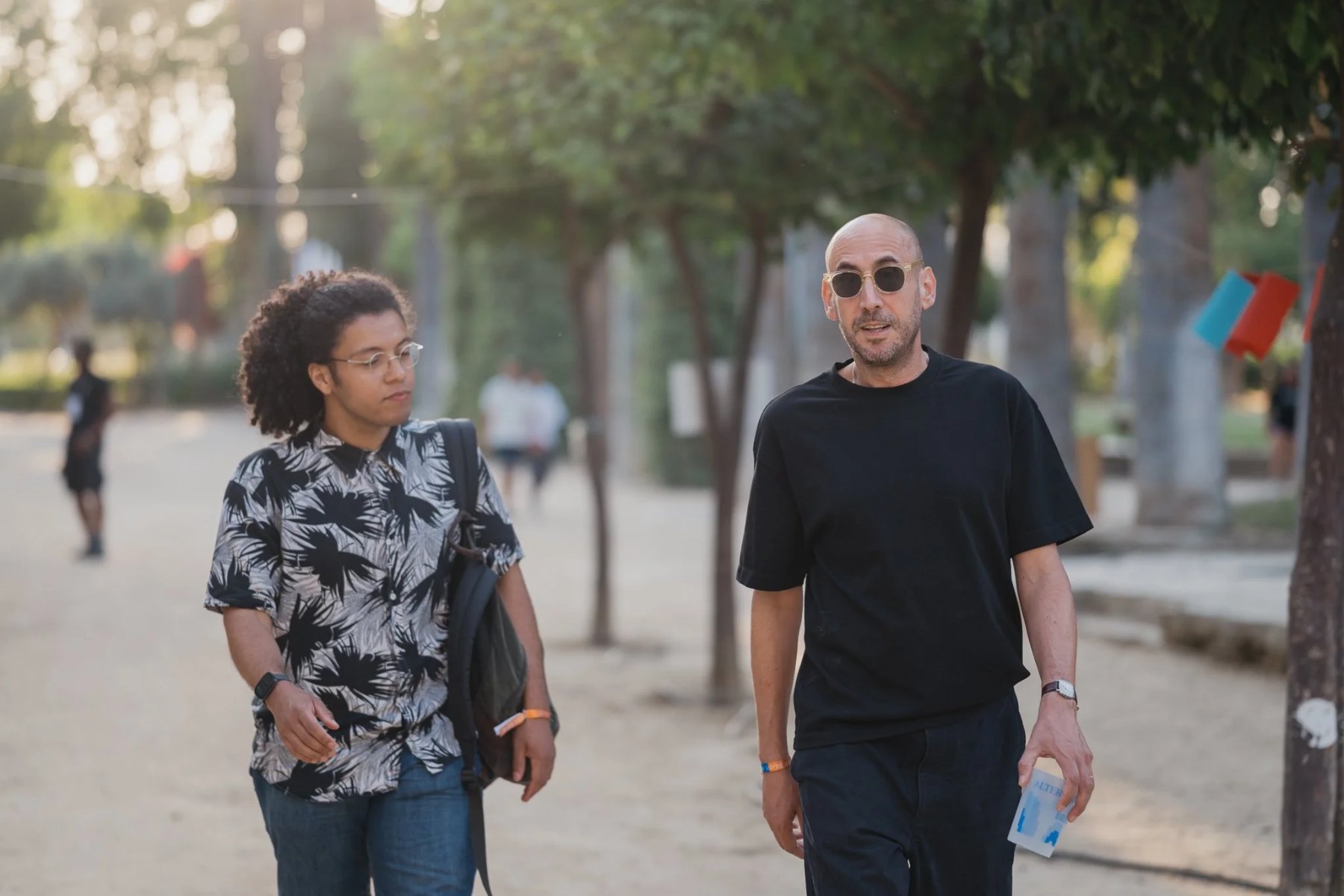
Days in a divided city
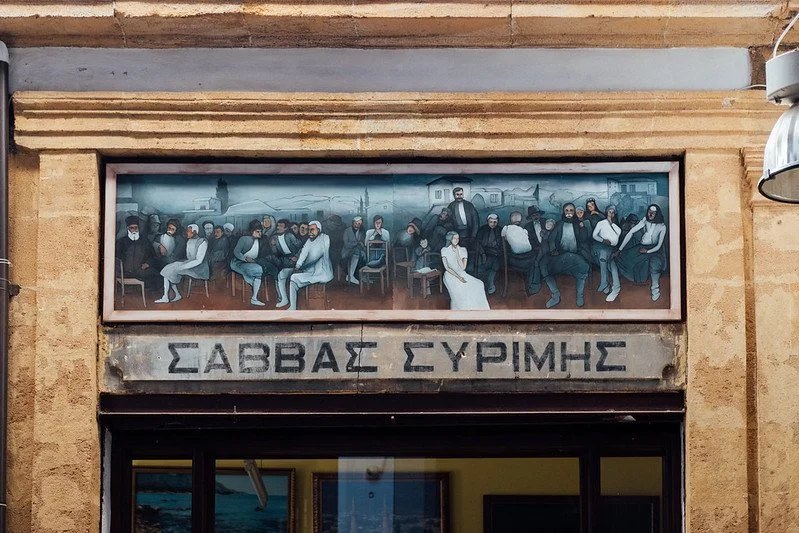
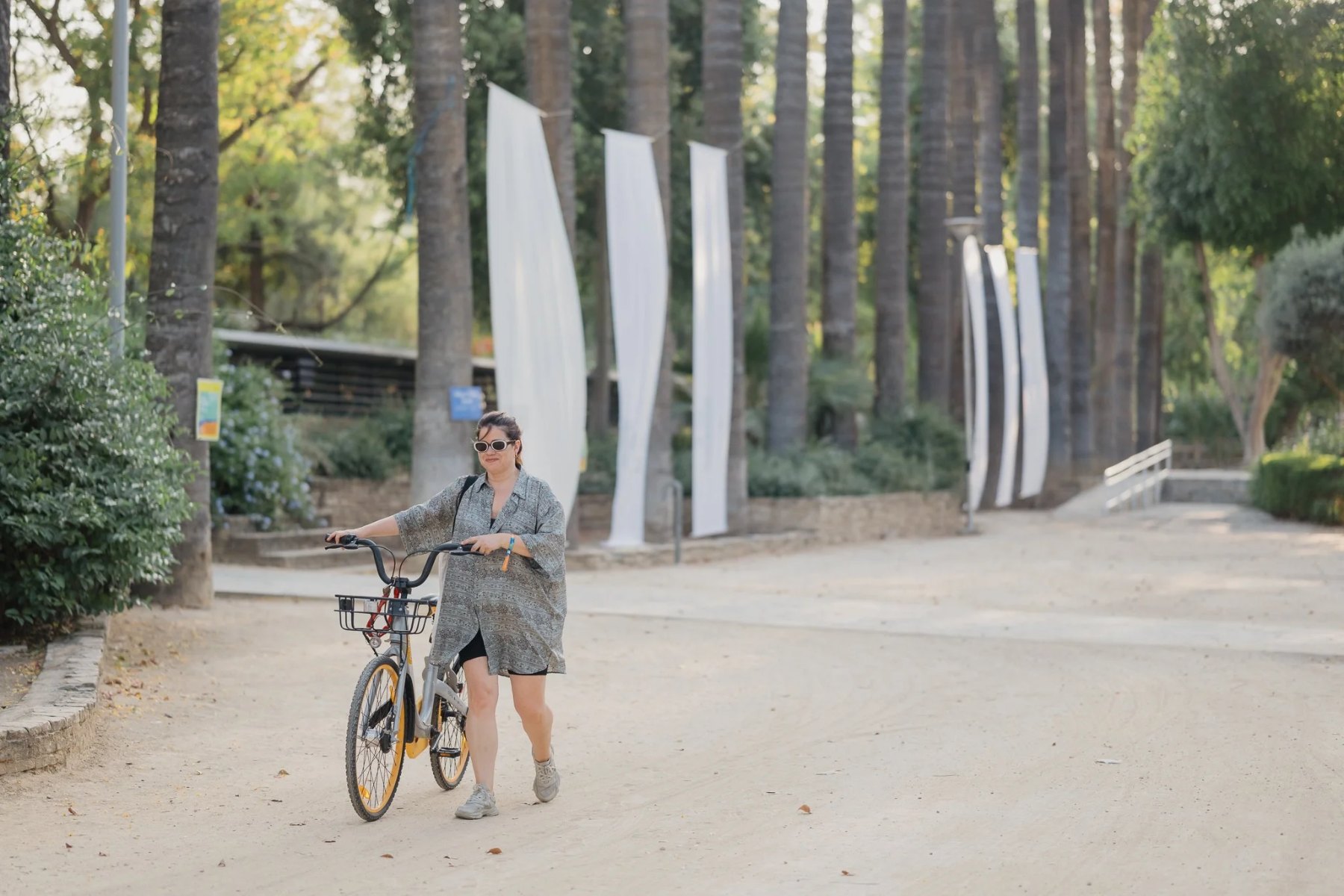
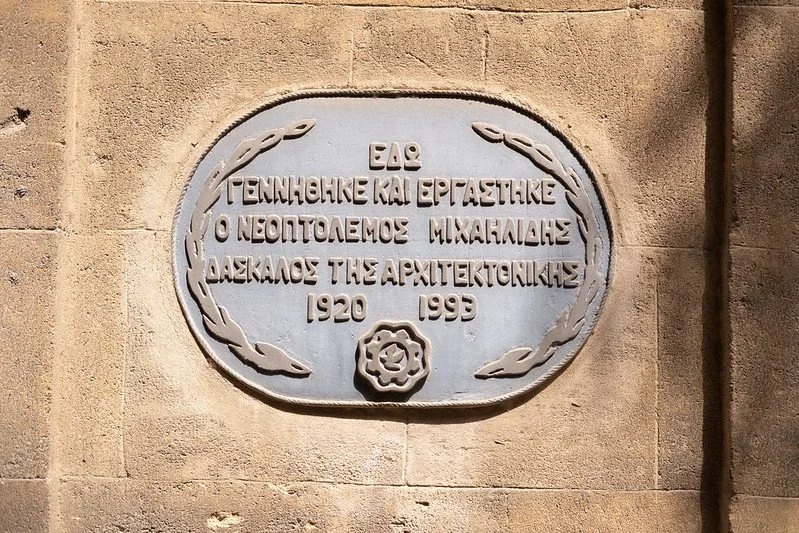
The festival ran in the evenings and late into the night, so the days were for exploring. Miguel and António walked both the Greek Cypriot and Turkish Cypriot sides of the city, with António's background in classical studies helping them read its long and complicated history.
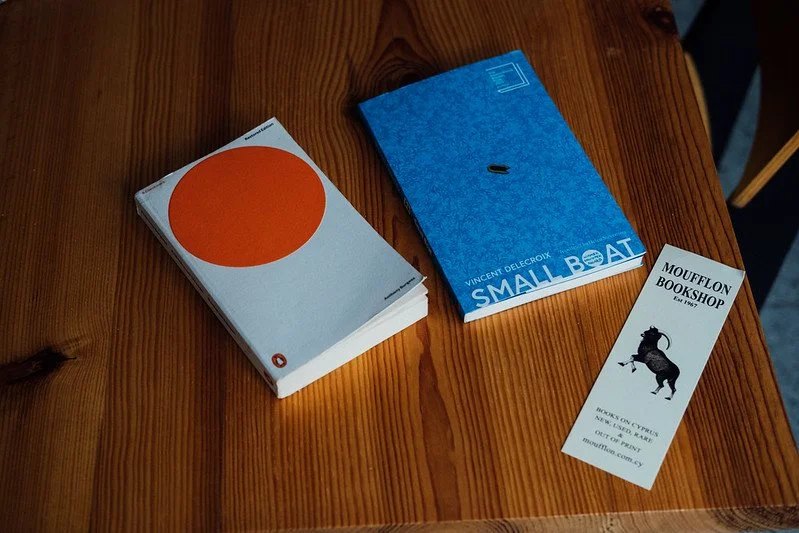
In an alley on the Green Line they found the Moufflon Bookshop, with used and new books in English and Greek, and left with a few more than planned.
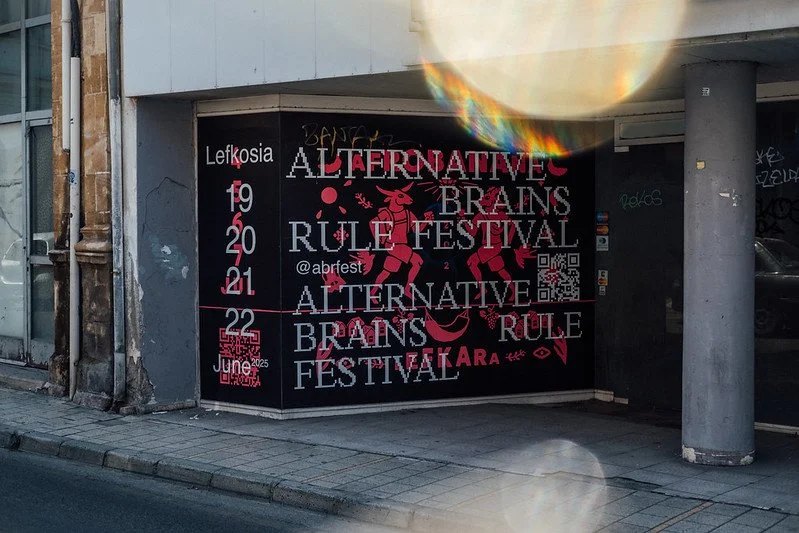
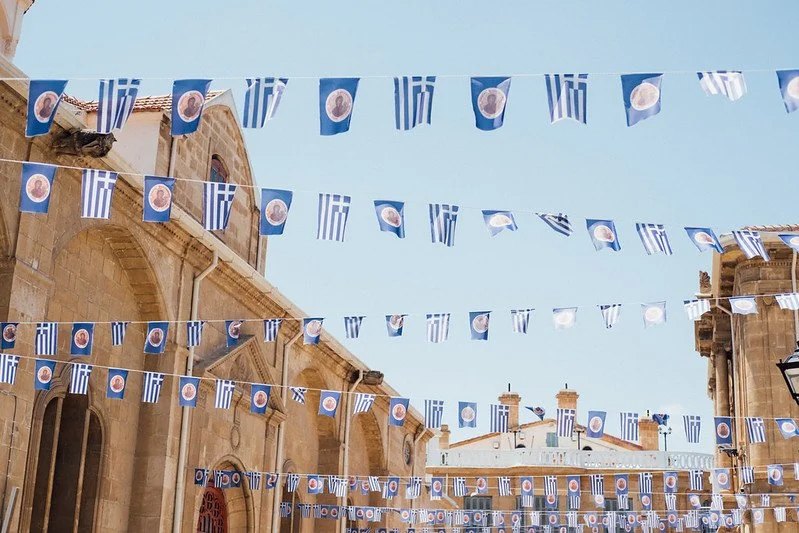
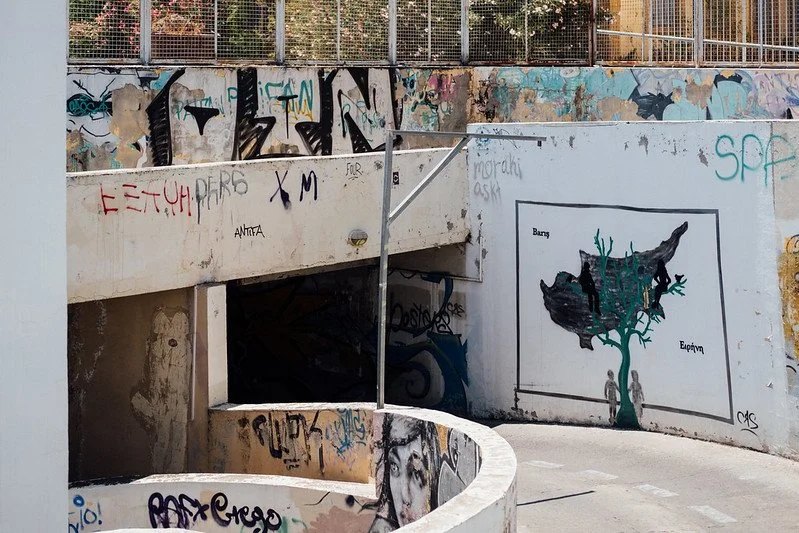
Natural fibres at the festival
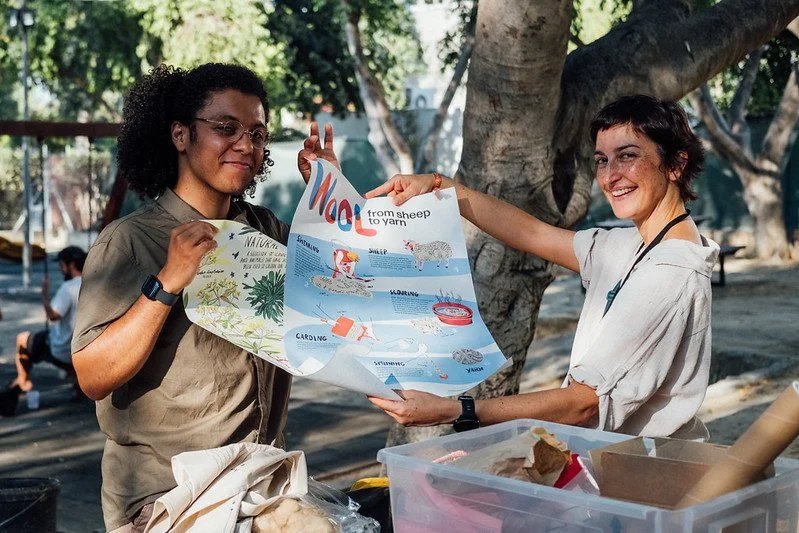
António, a craftsman and Saber Fazer alumnus, spent part of the festival helping Eleni of CommunityCloth run natural dyeing and wool activities.
It was a small exchange that sums up what TY-CO is for: partners from different places working side by side, not just meeting in a room.
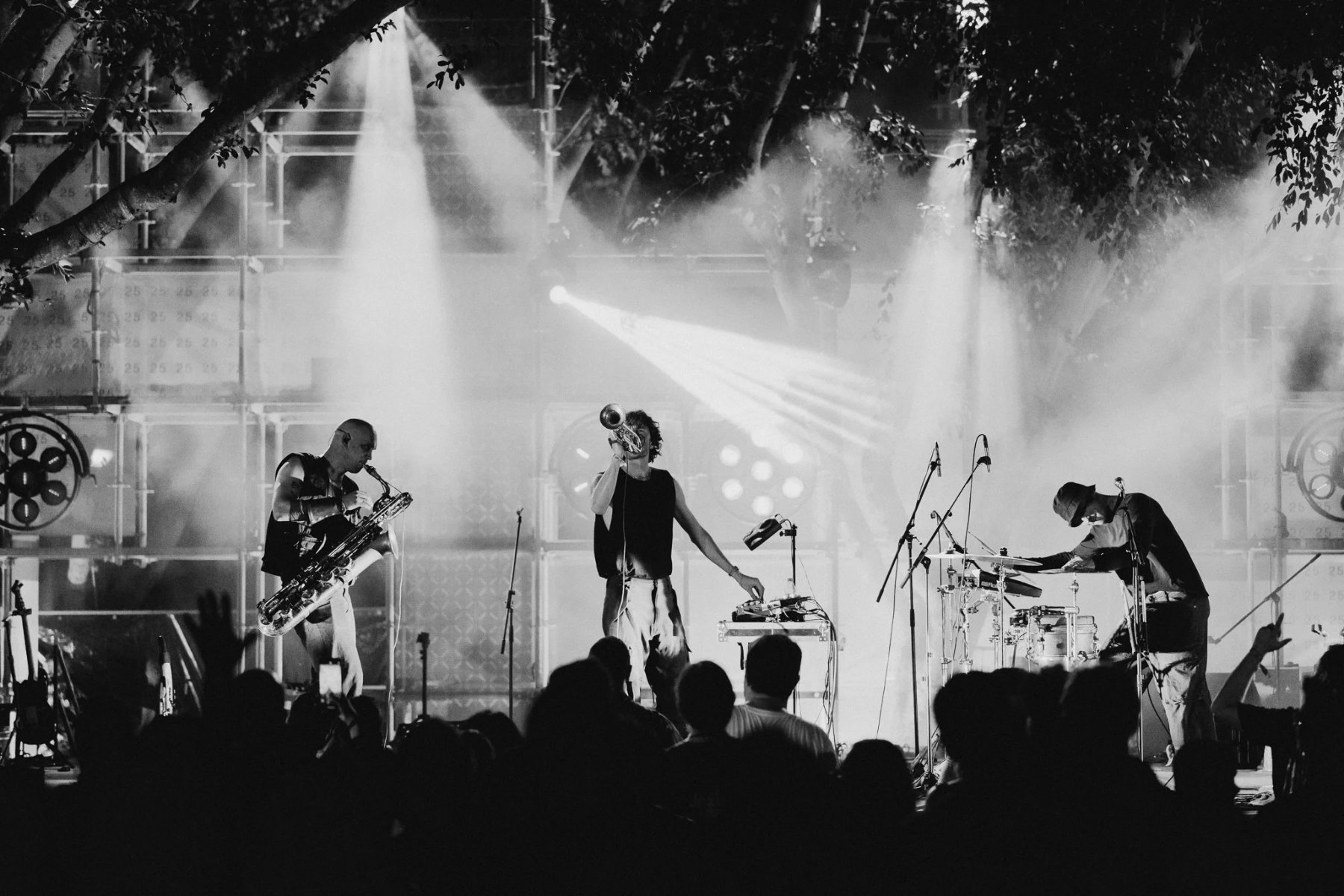
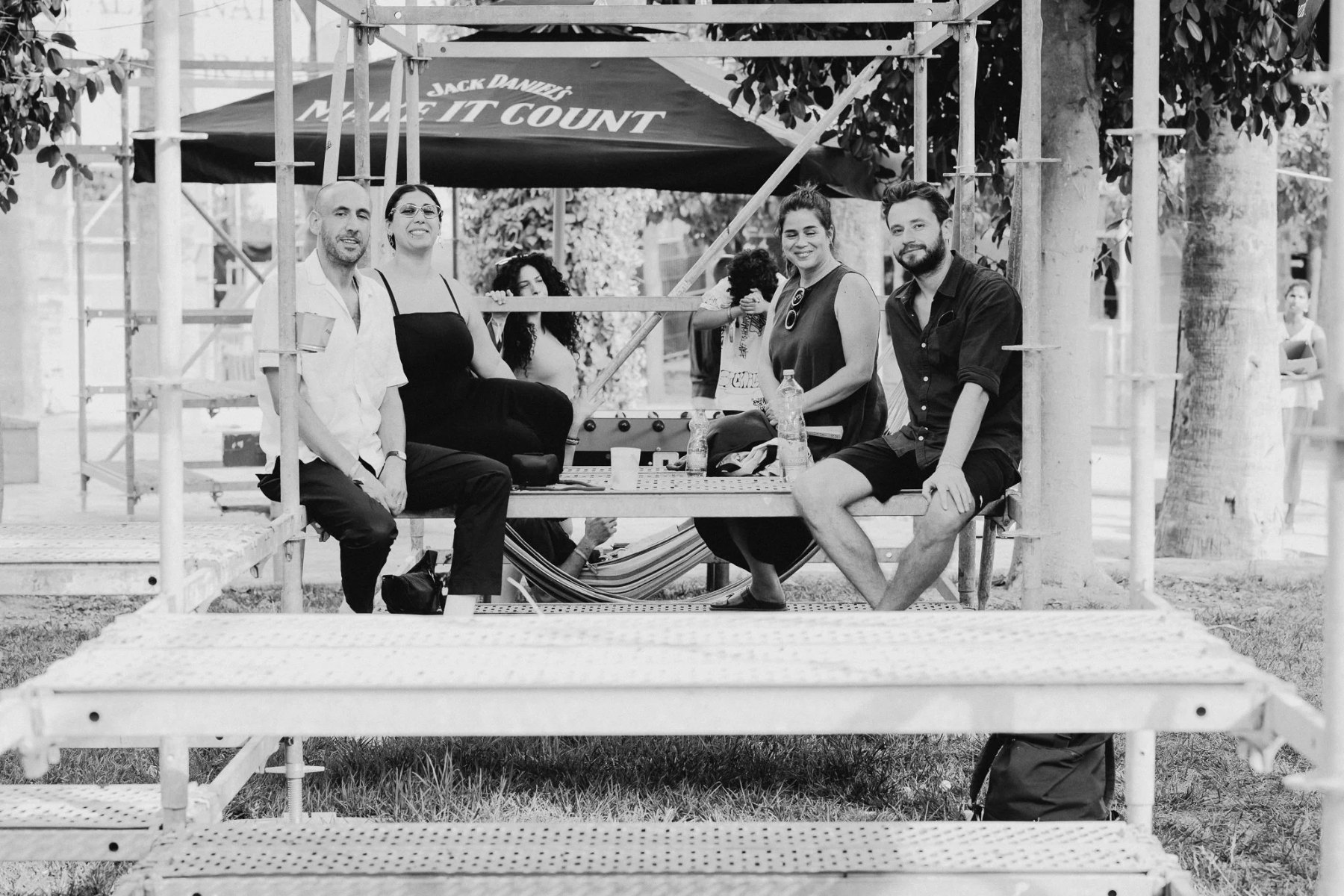
Nights at ABR Fest
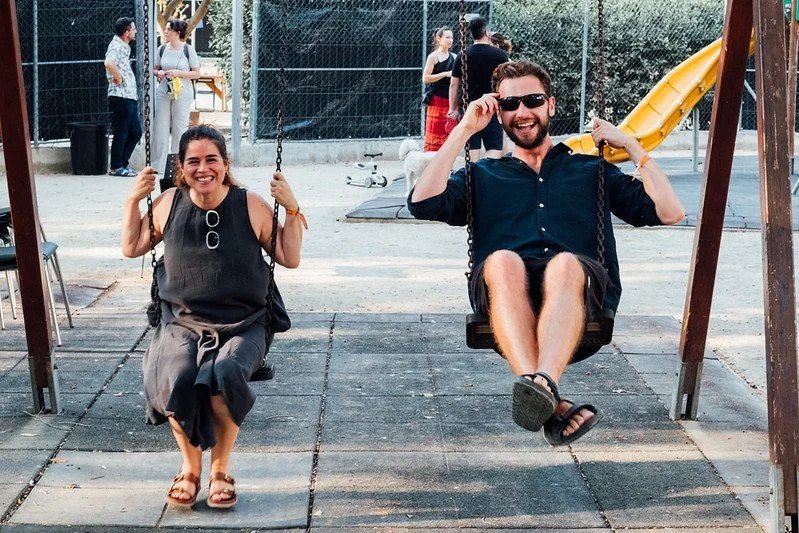
Then the nights: food, drink, visual art and music, from Brass Rave Unit and the parties at the Nicosia Municipal Theatre to Zelzeleh and BCUC.
All of it at close to 40°C.
ALMOST 40 DEGREES EVERY TIME, EVERYWHERE
See the full photo story on the Barbot Bernardo journal →
Photos: Miguel Barbot, and ABR Fest for the festival photos
TY-CO (communities in conversation) · ABR – Alternative Brains Rule · Co-funded by the European Union
Funded by the European Union. Views and opinions expressed are however, those of the author(s) only and do not necessarily reflect those of the European Union or the European Education and Culture Executive Agency (EACEA). Neither the European Union nor EACEA can be held responsible for them.